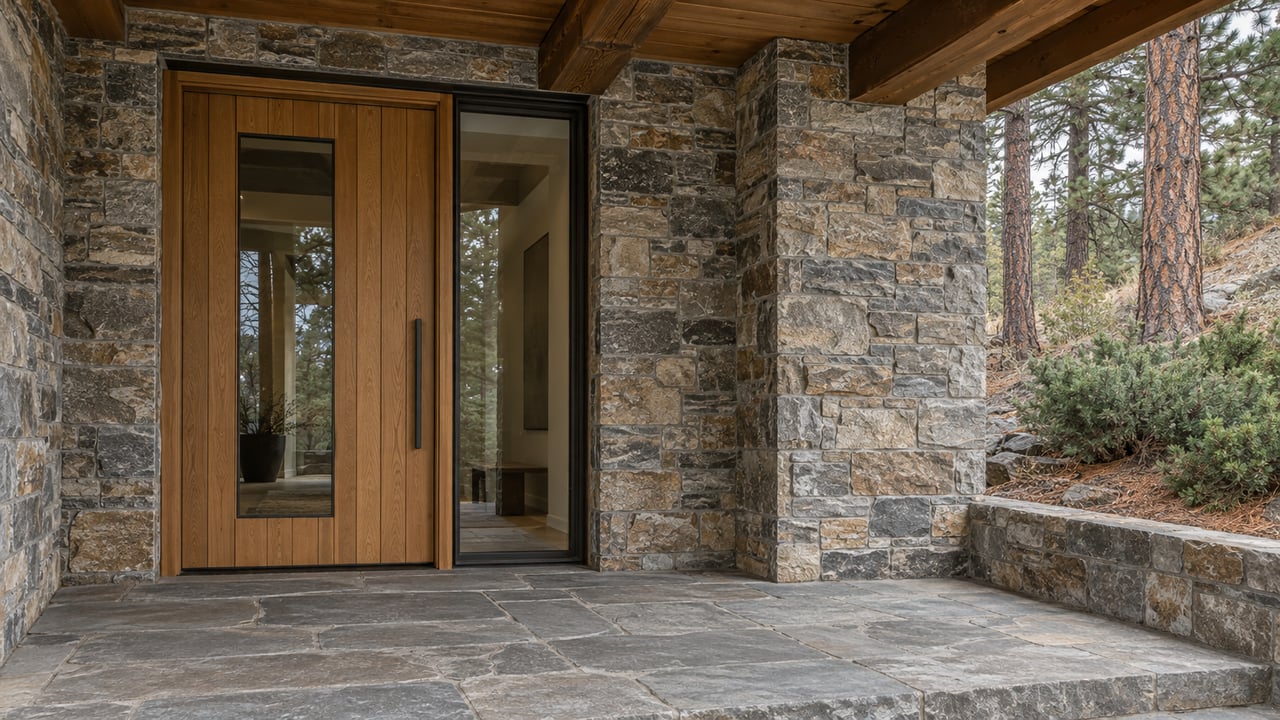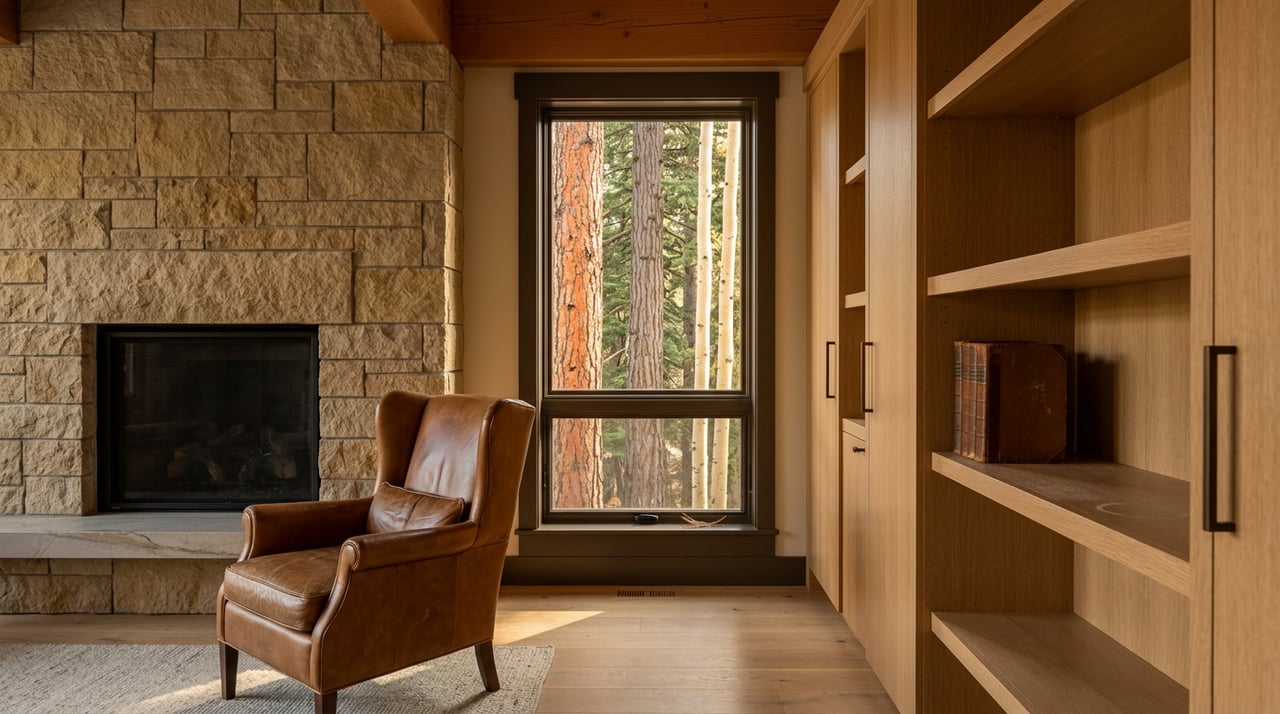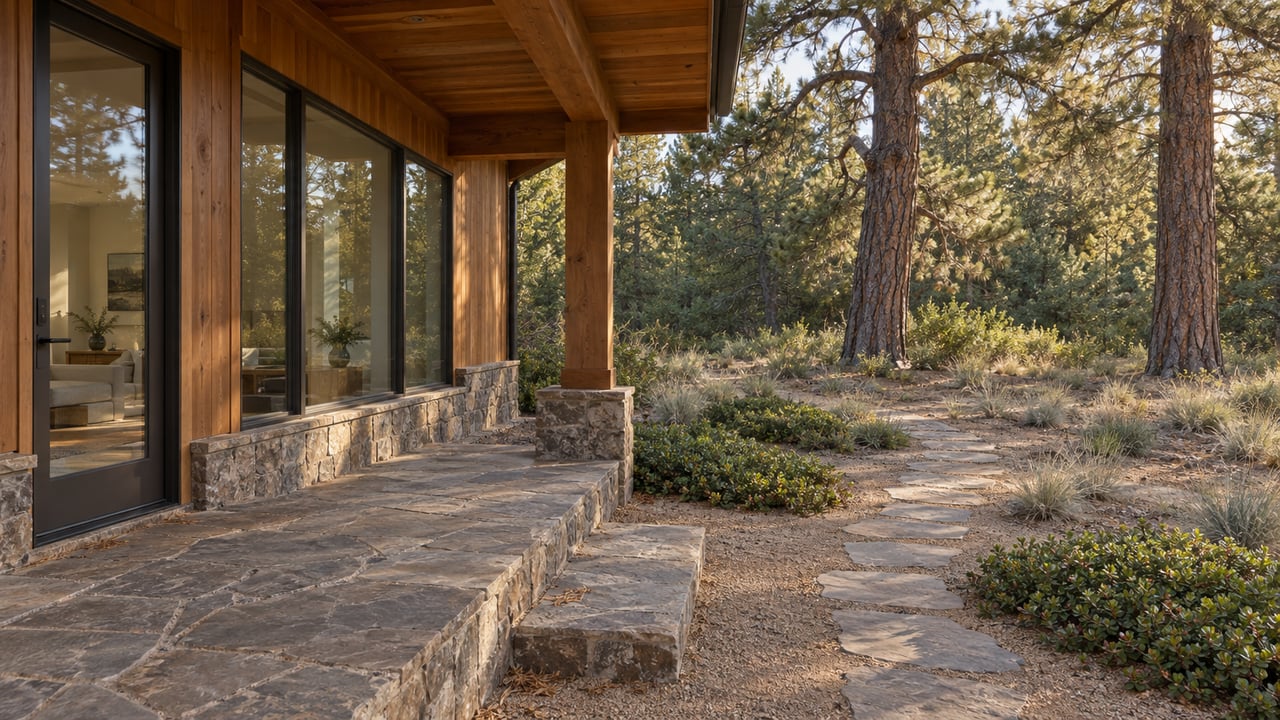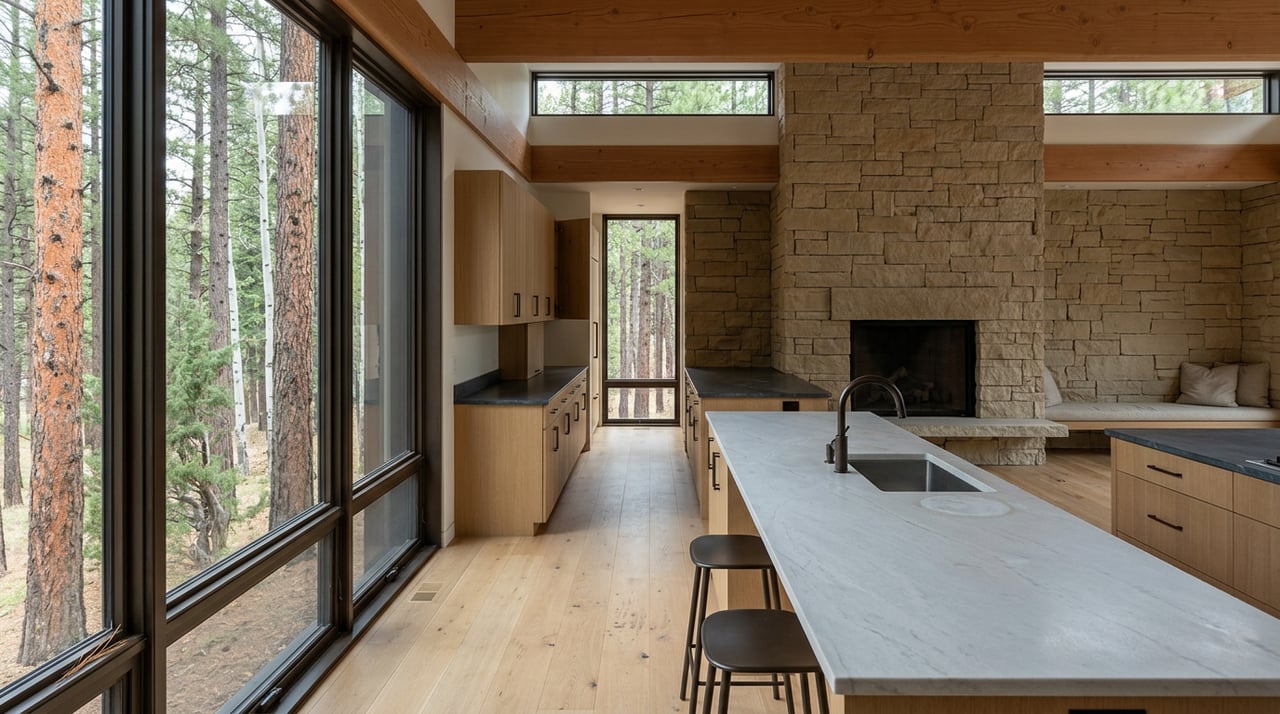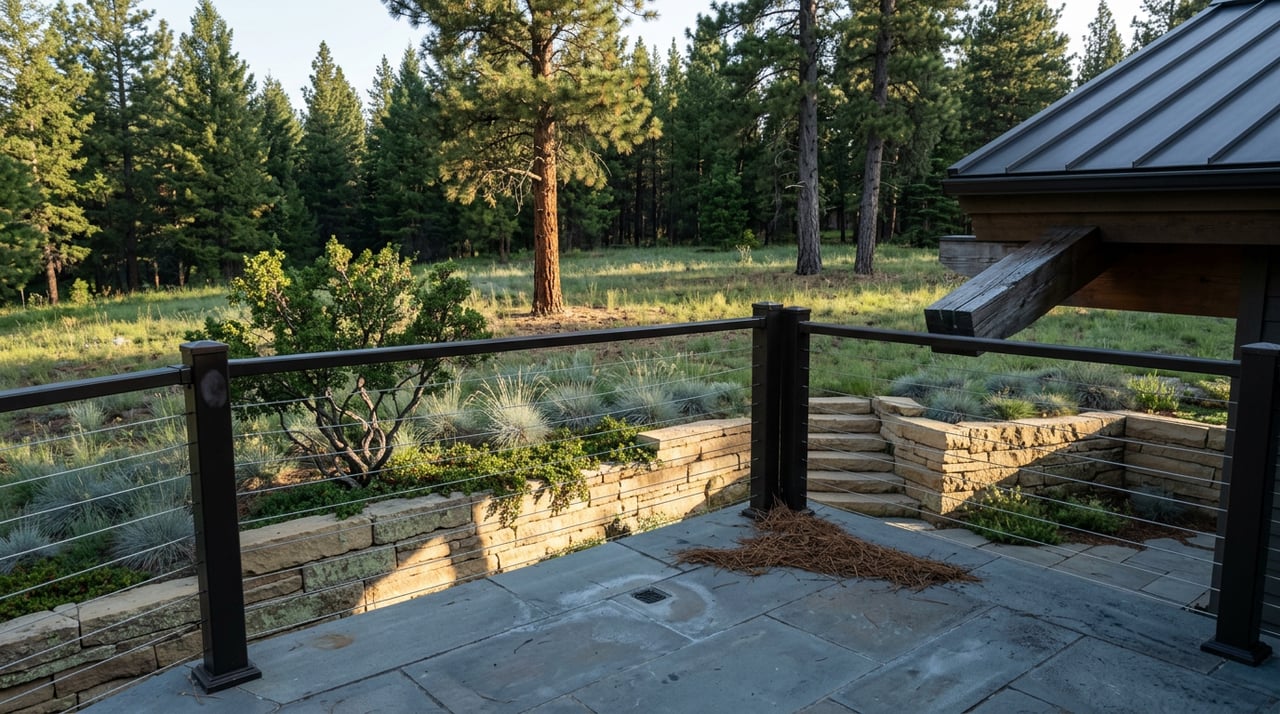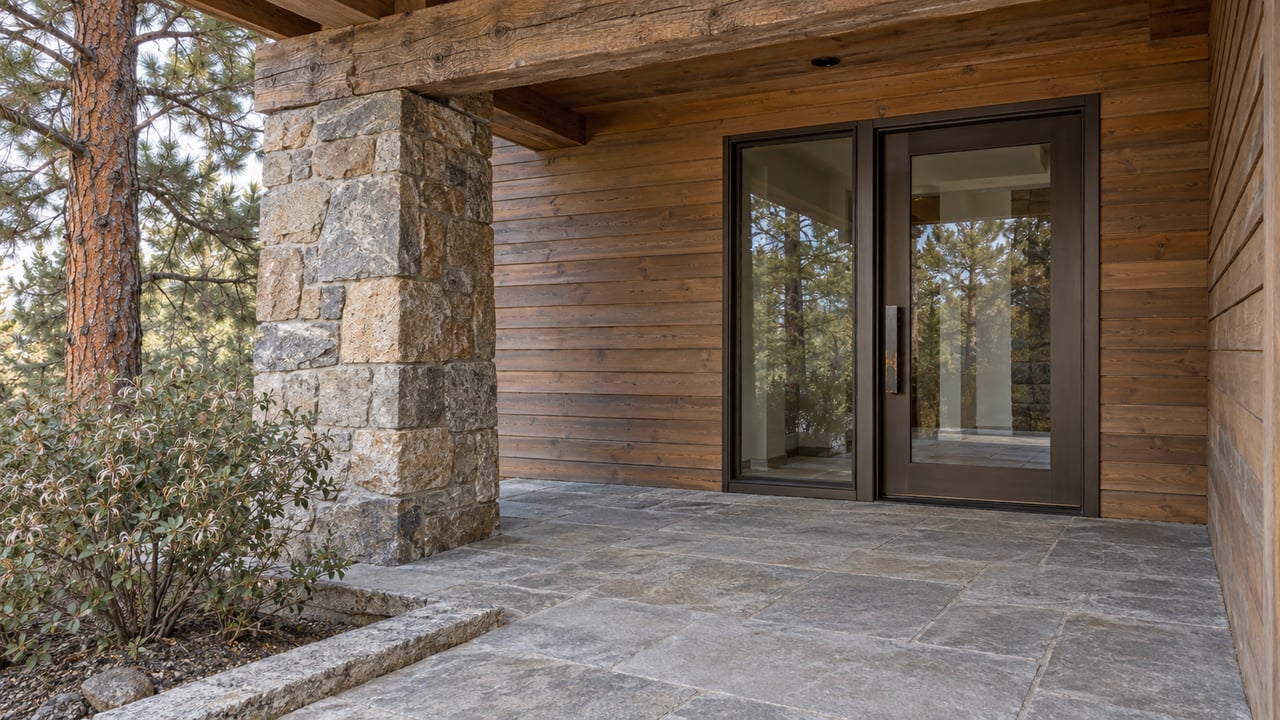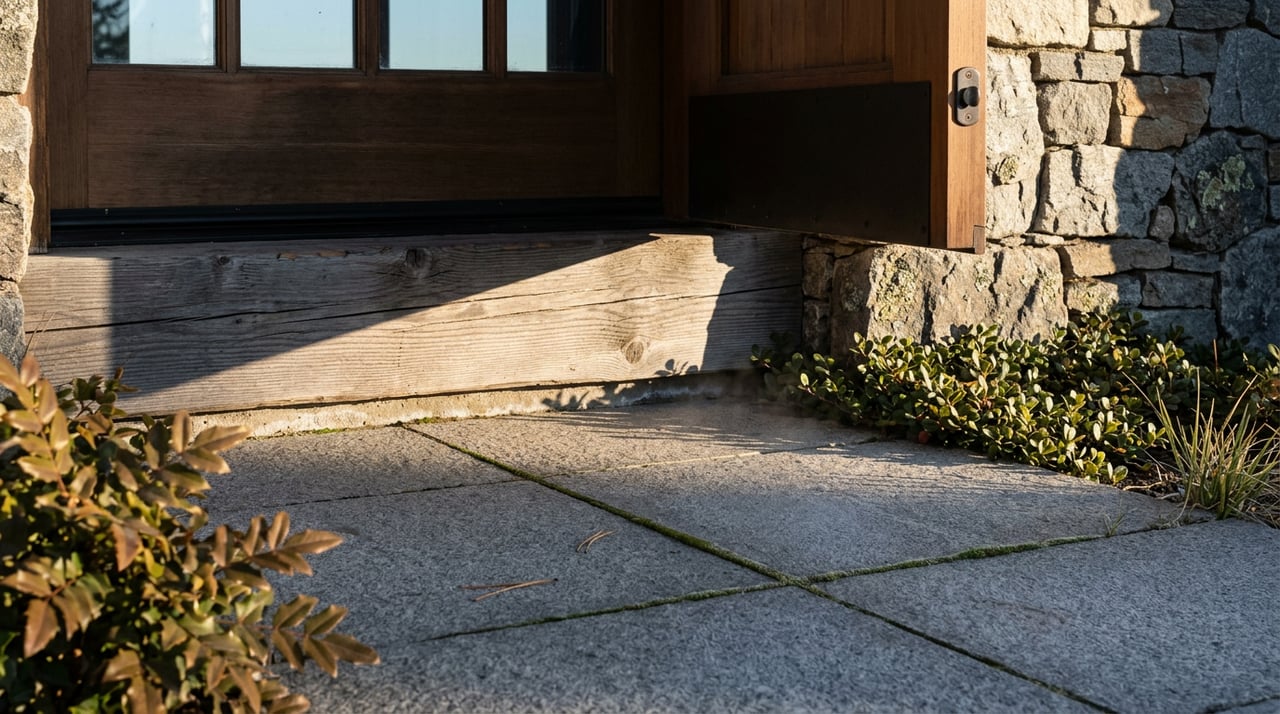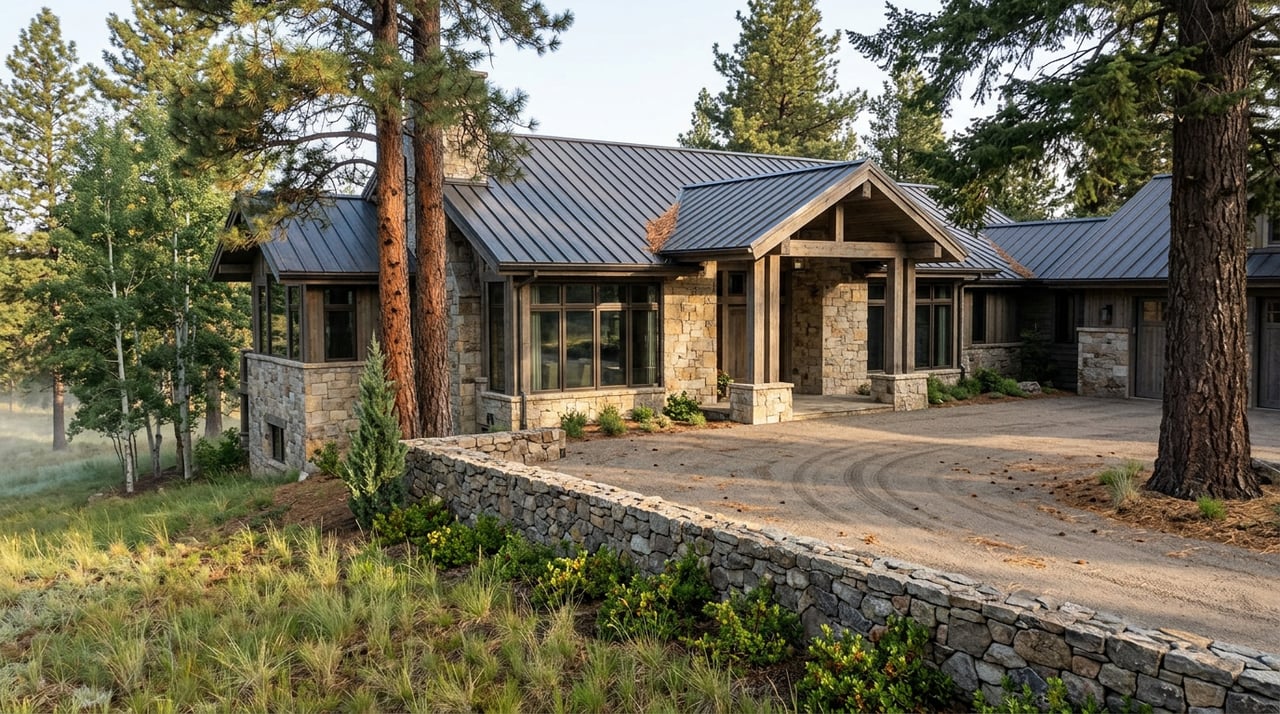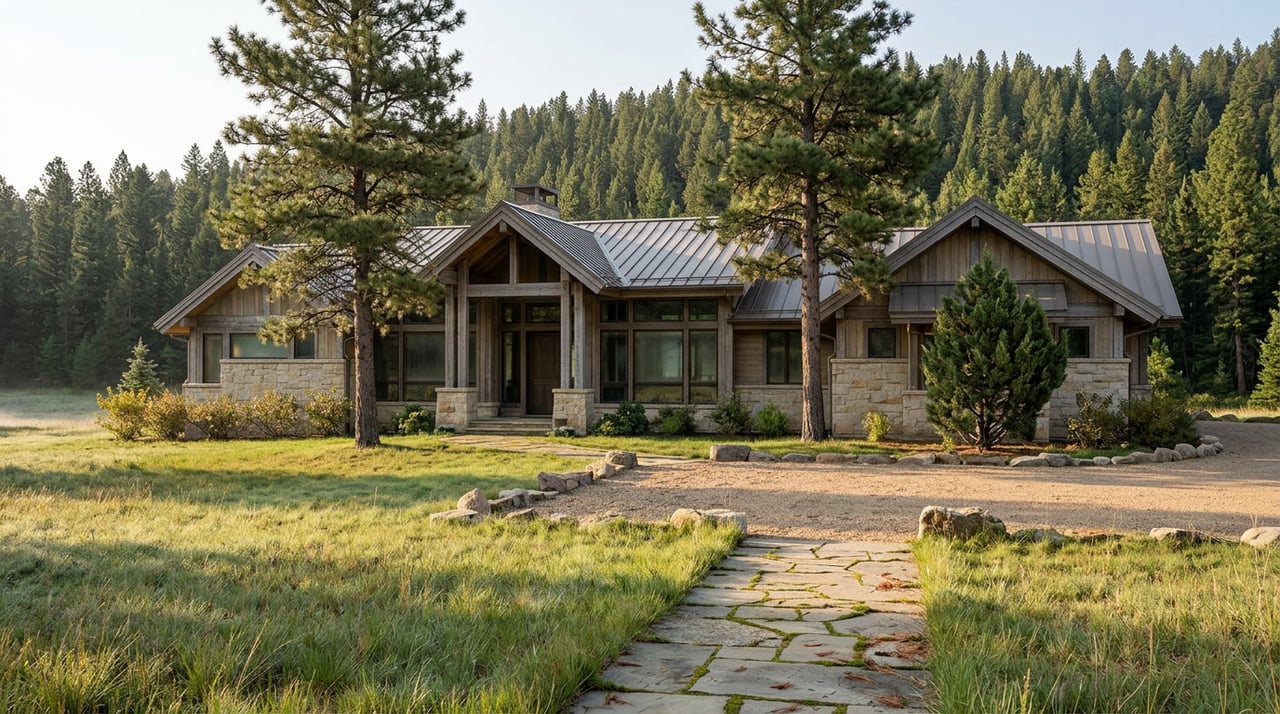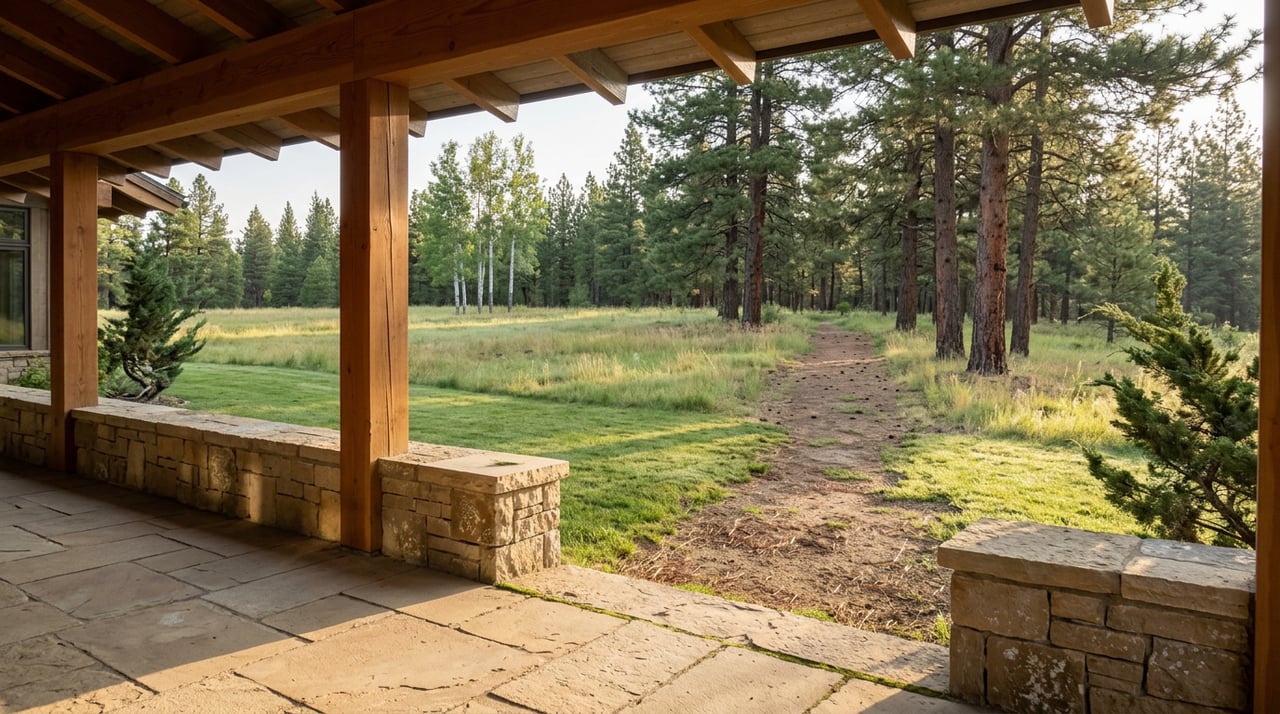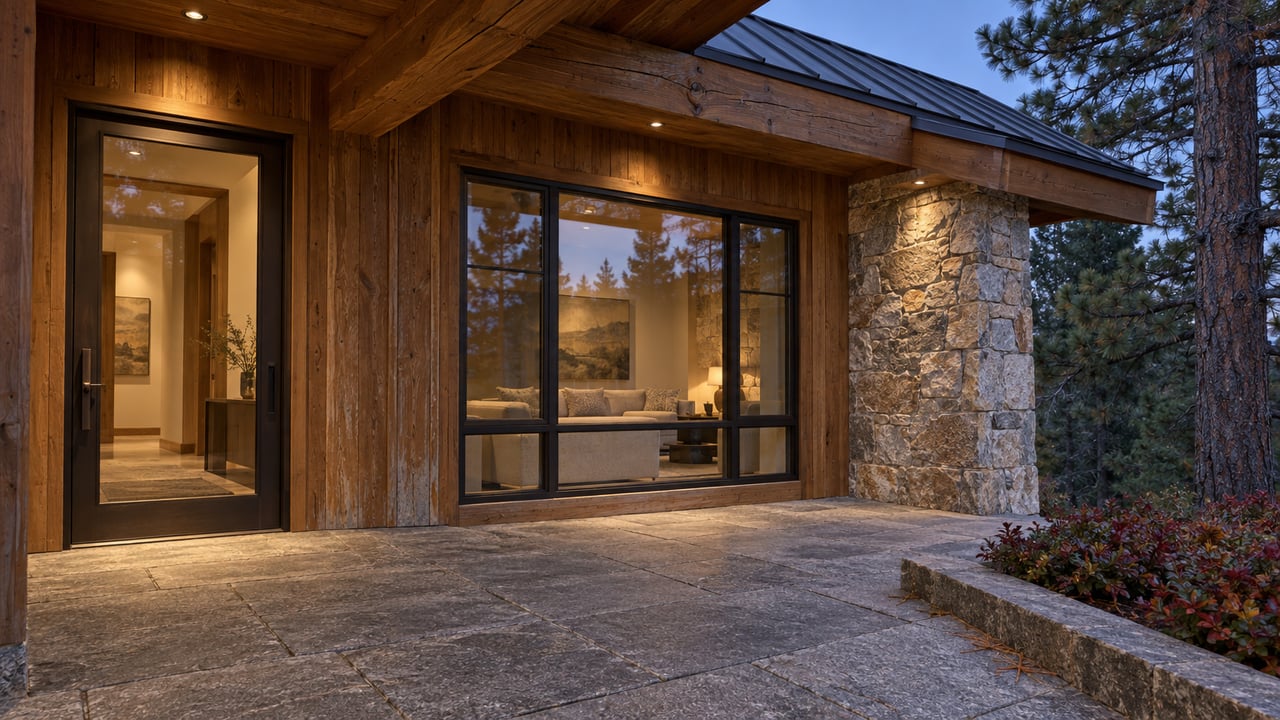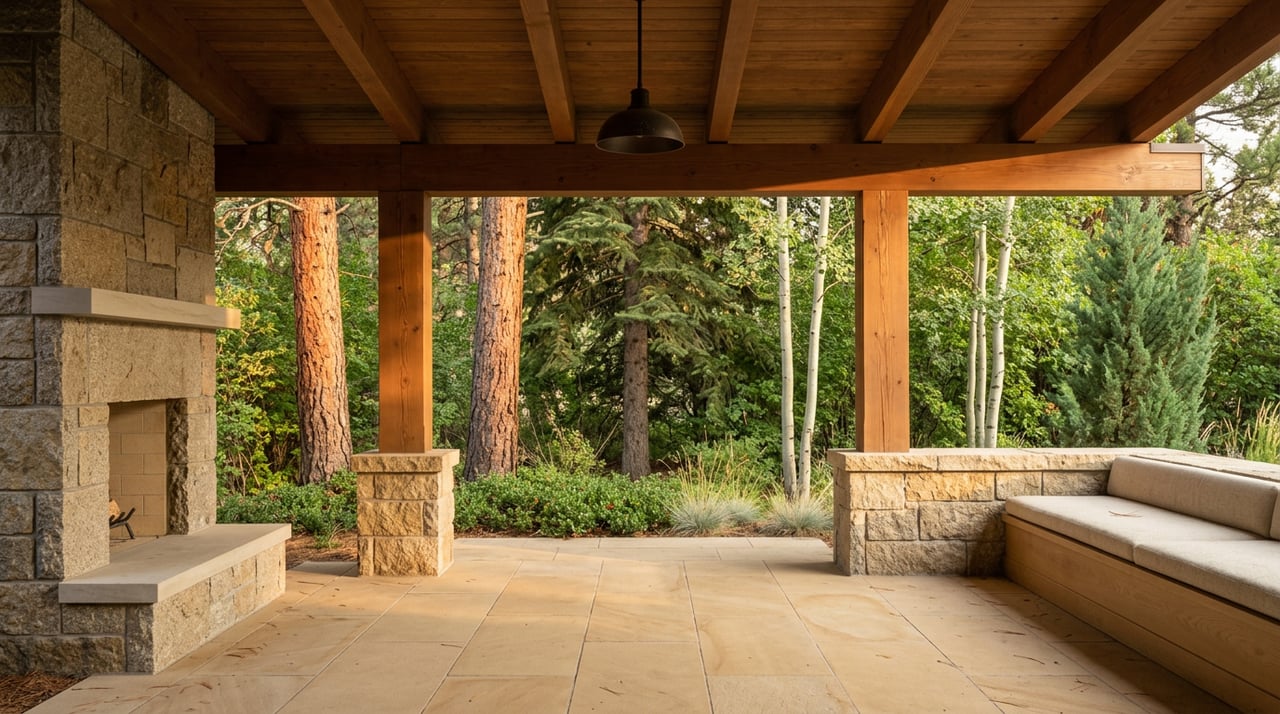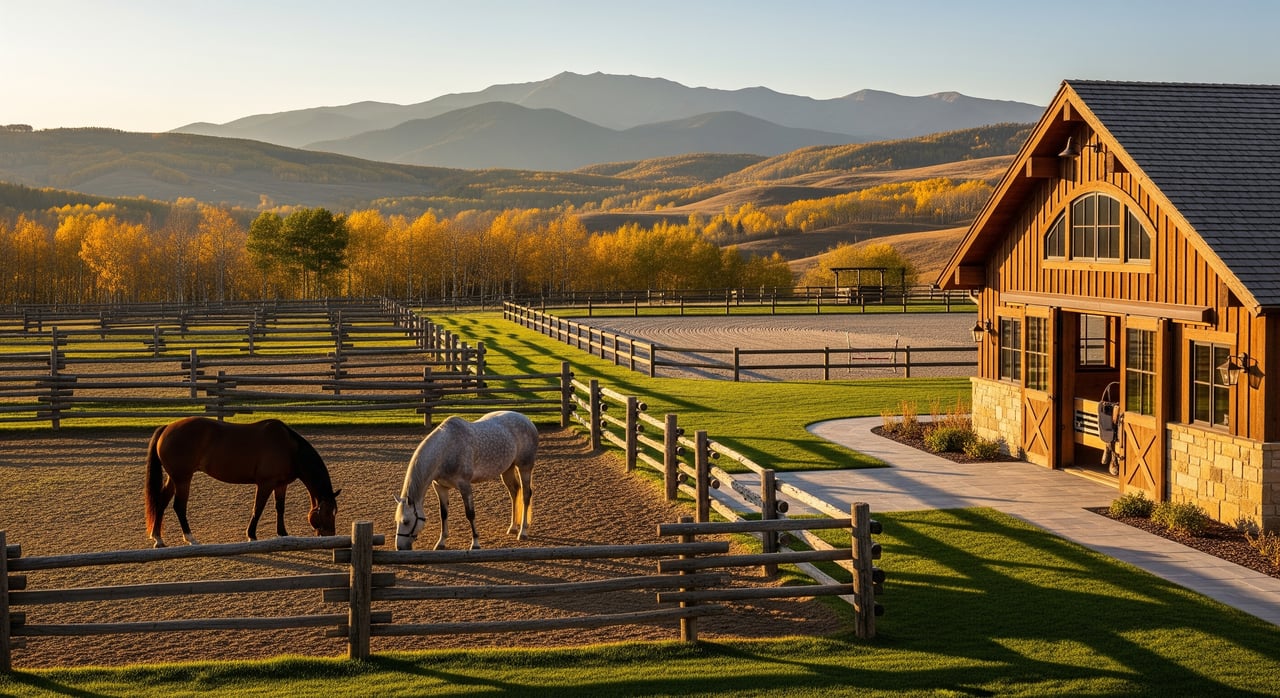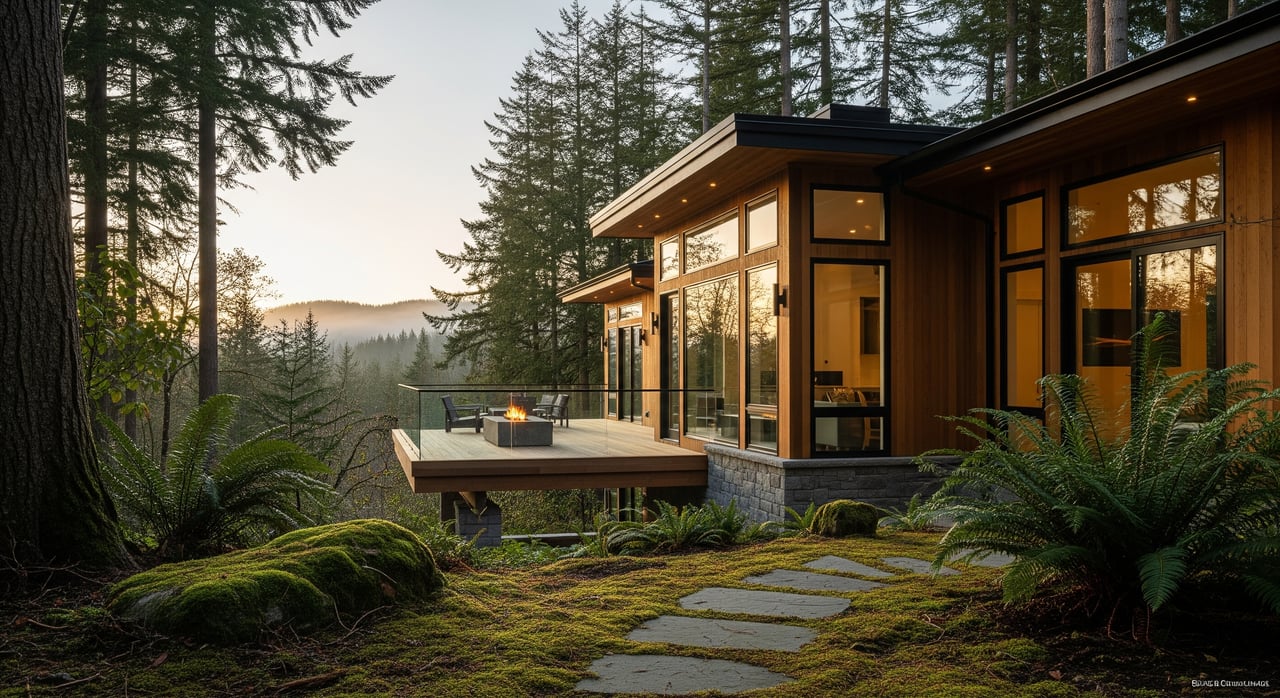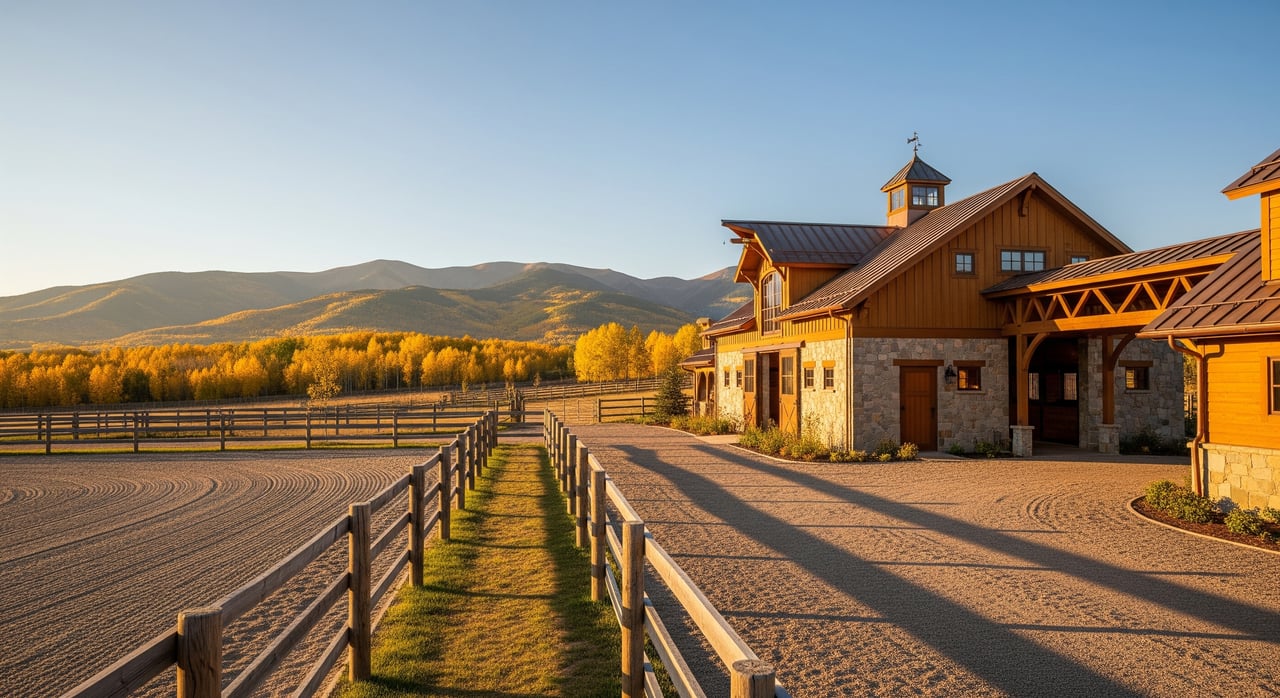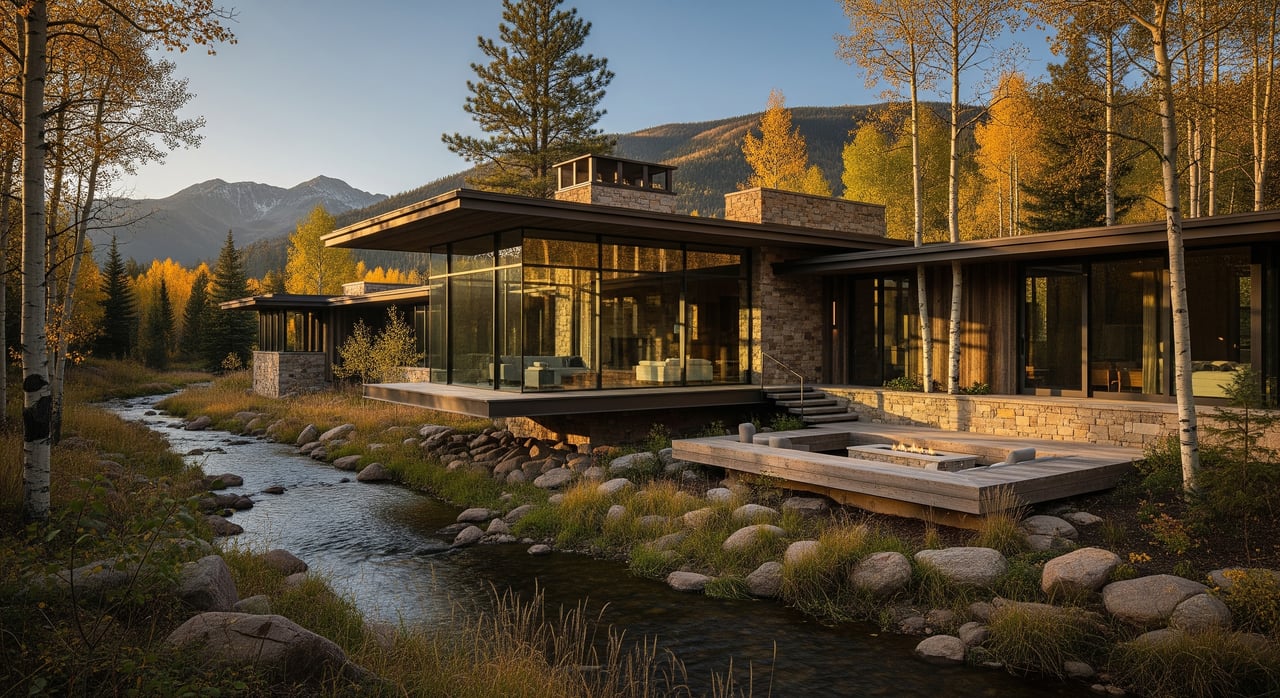
What draws you to Upper Bear Creek might be the hush of the pines, the long views to rugged ridgelines, or the idea of a private mountain estate that still connects you to the Front Range. You want clarity on what truly drives value here so you can buy or sell with confidence. In this guide, you’ll learn how views, acreage, access, and sitework shape pricing and negotiations, plus the due diligence that matters most. Let’s dive in.
Upper Bear Creek at a glance
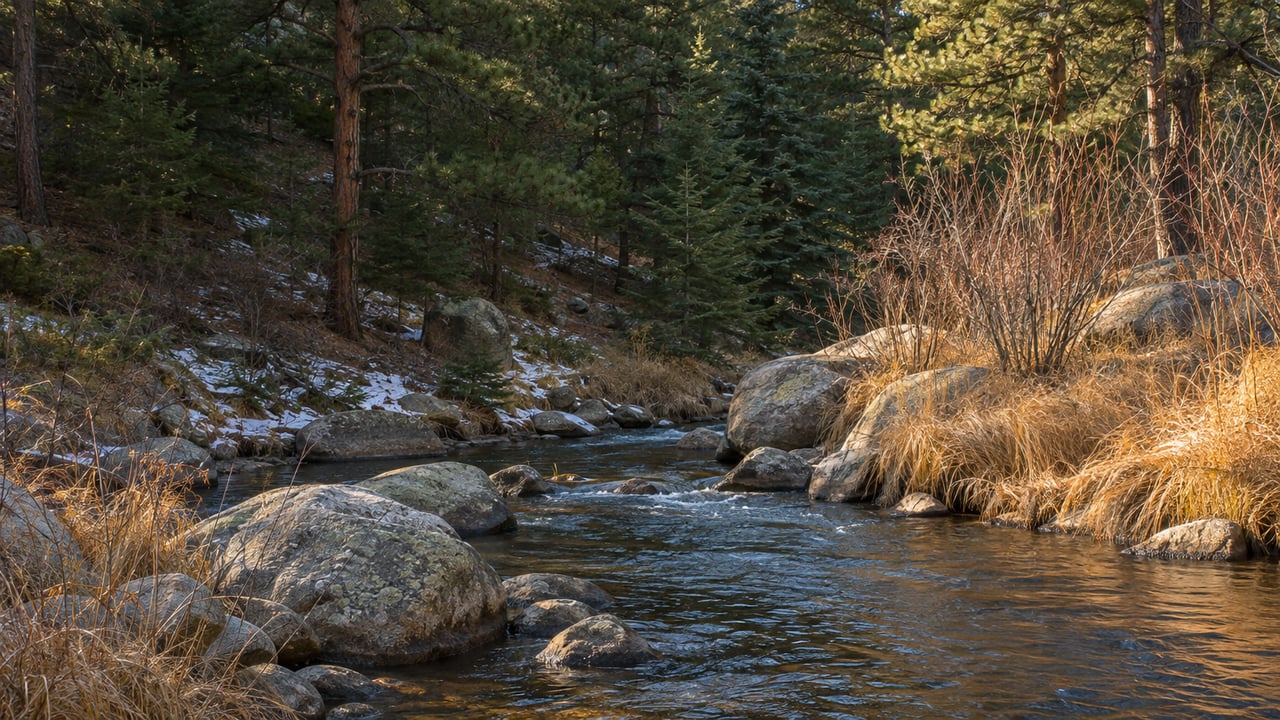
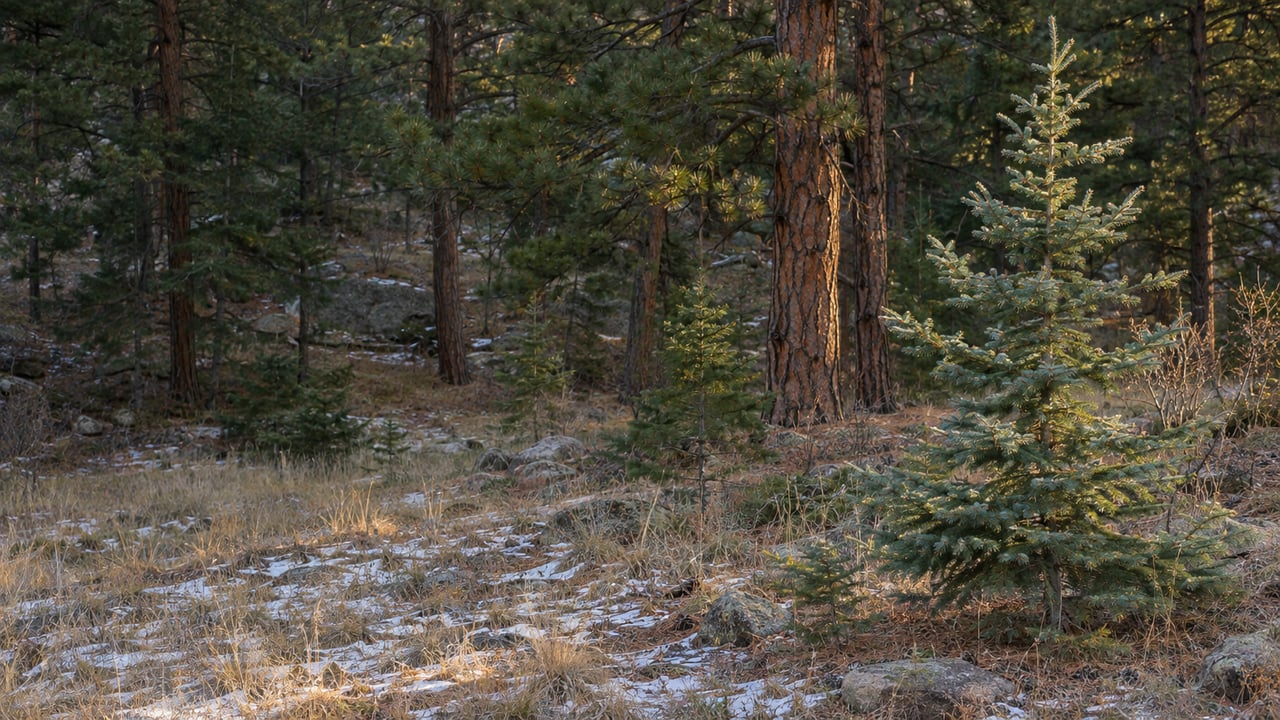
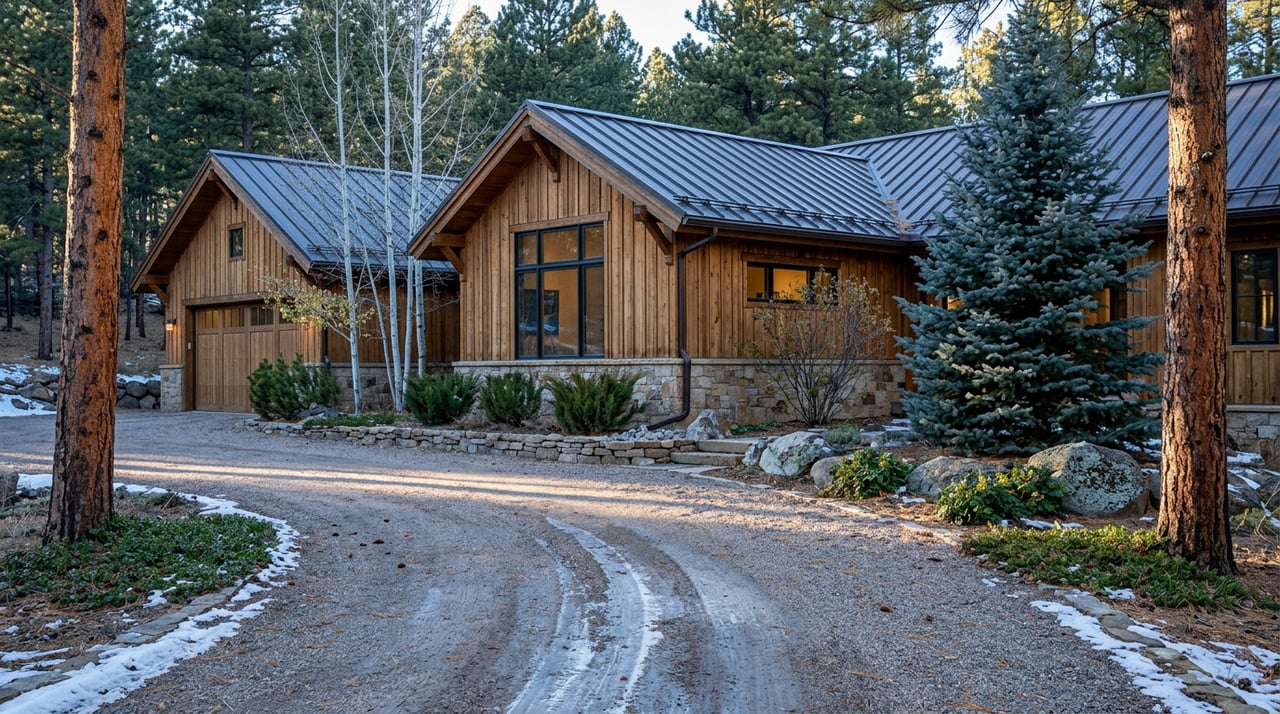
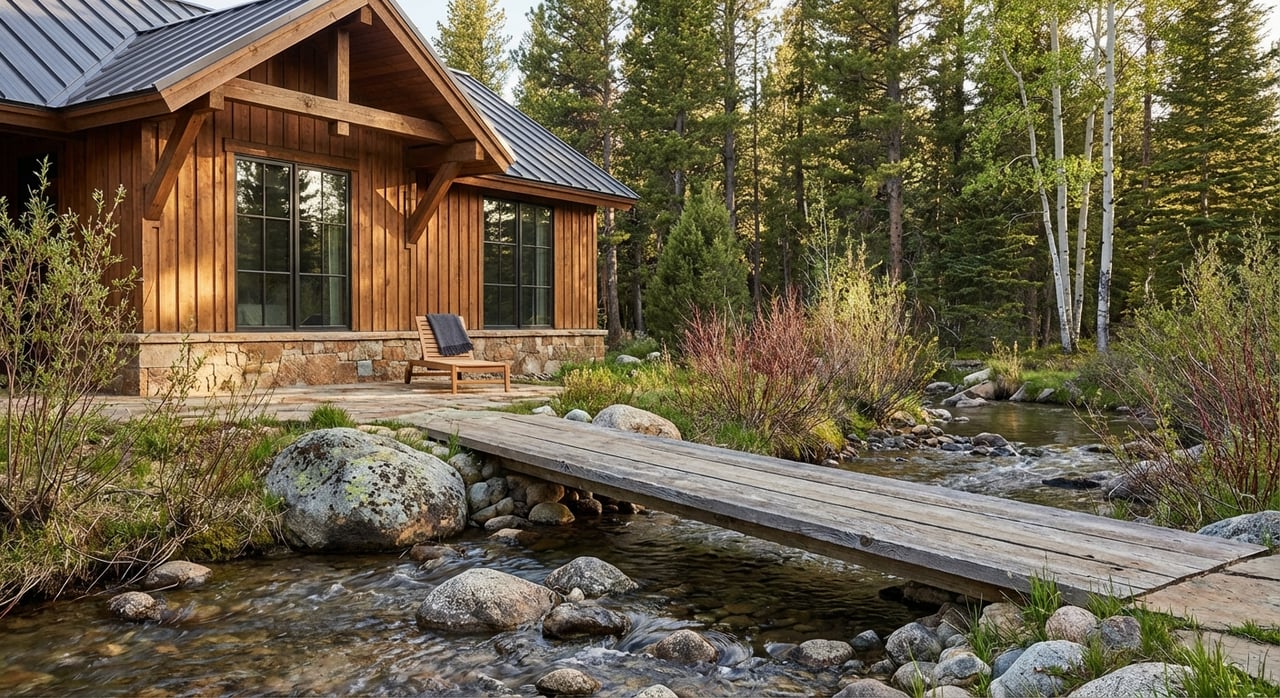
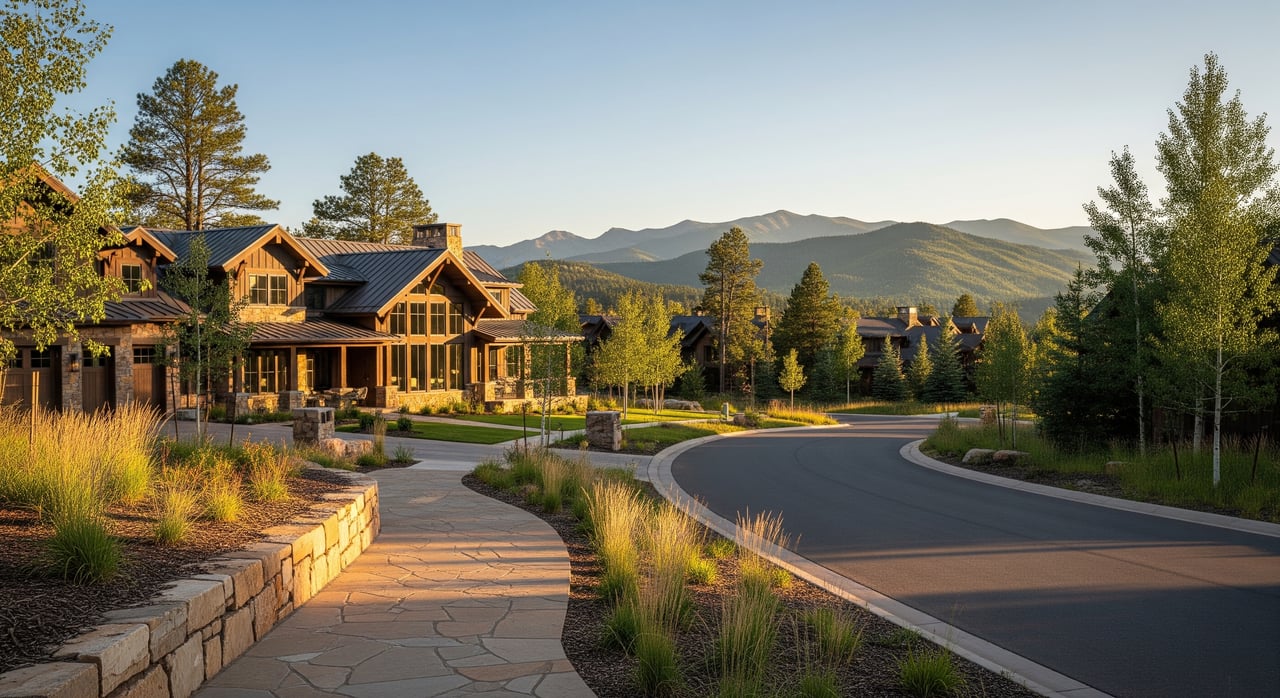
Upper Bear Creek sits in a mountain corridor of Clear Creek County along and above the Bear Creek watershed. The terrain is steep and varied, with a mix of canyon floor parcels and upland ridgelines that create both privacy and expansive vistas. Wooded lots are common, and public lands nearby often enhance the sense of seclusion and recreational access.
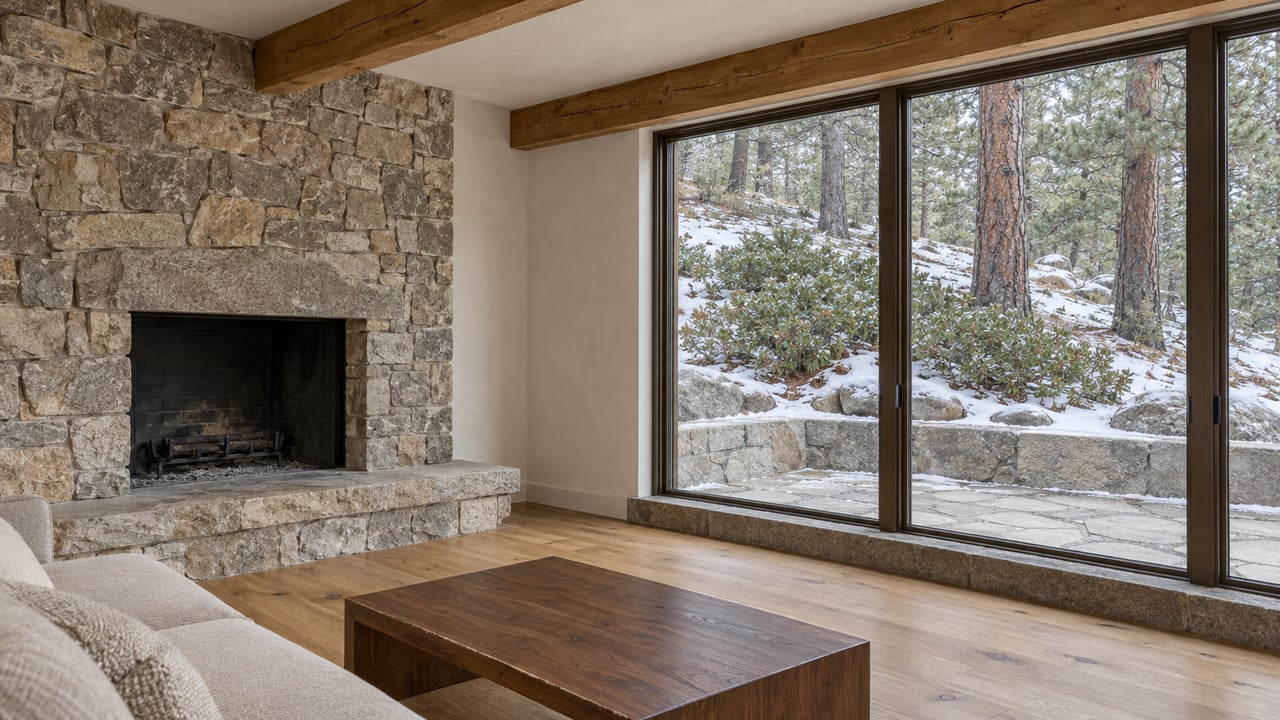
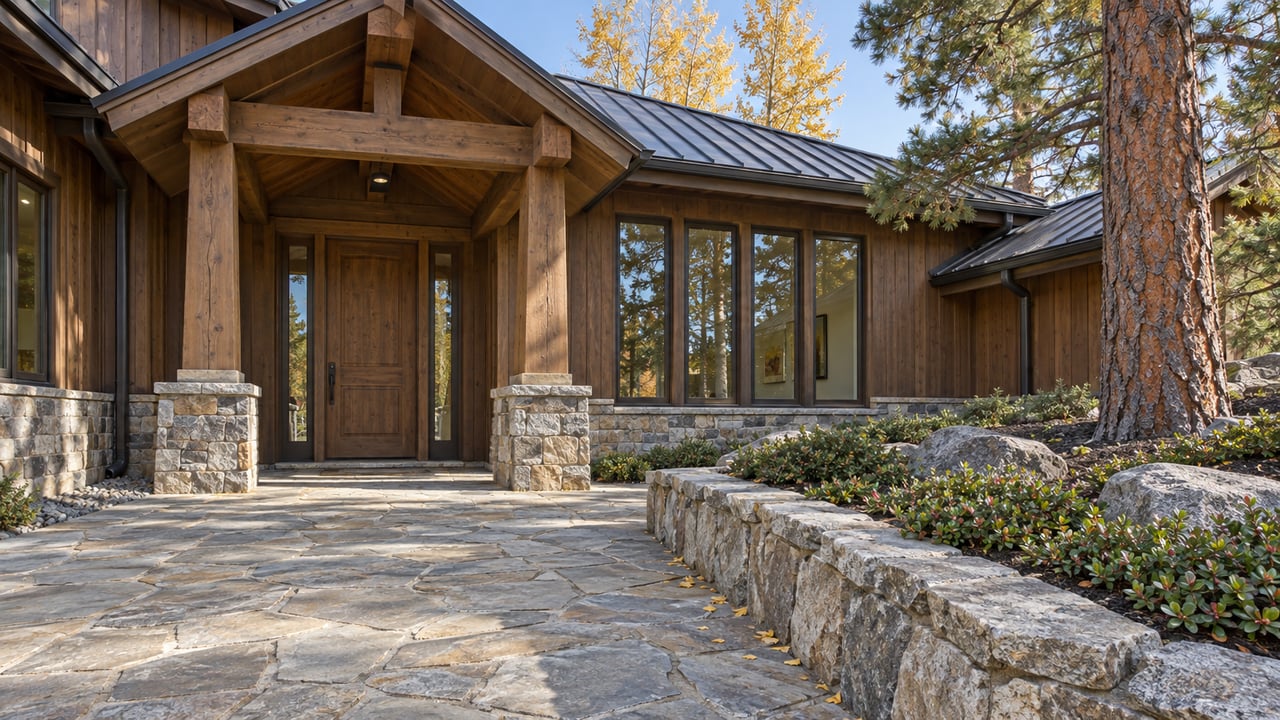
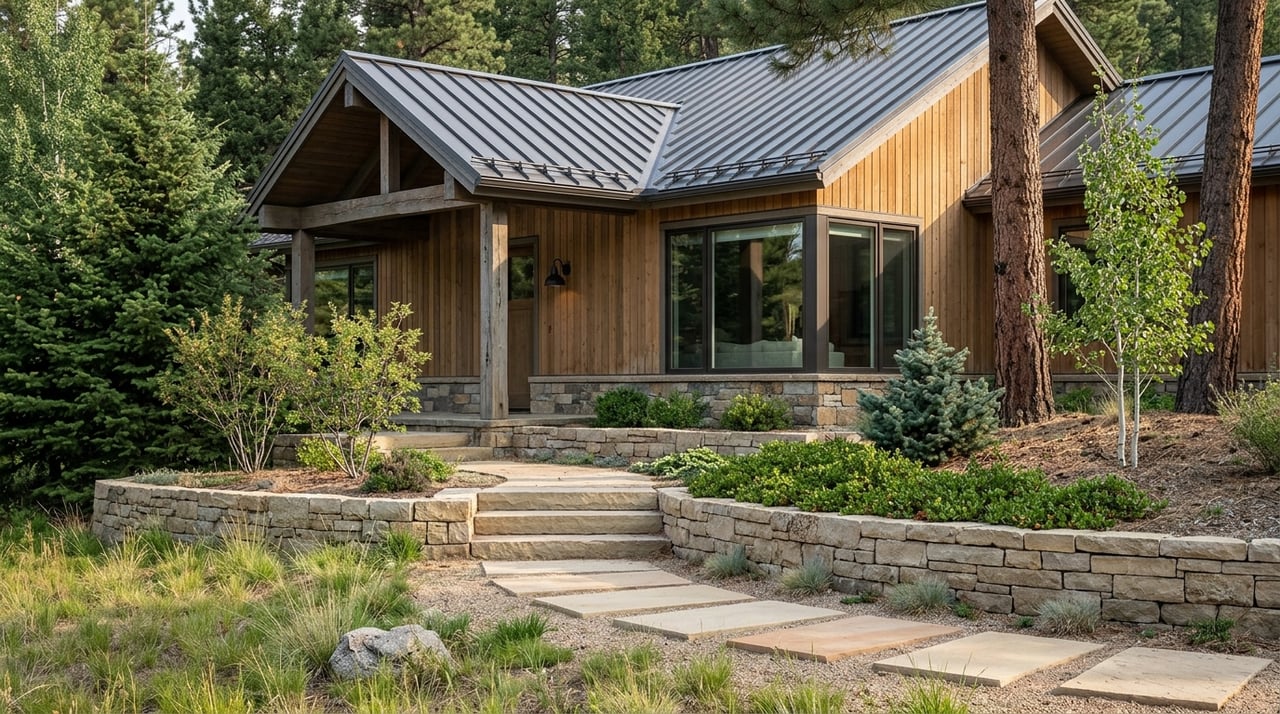
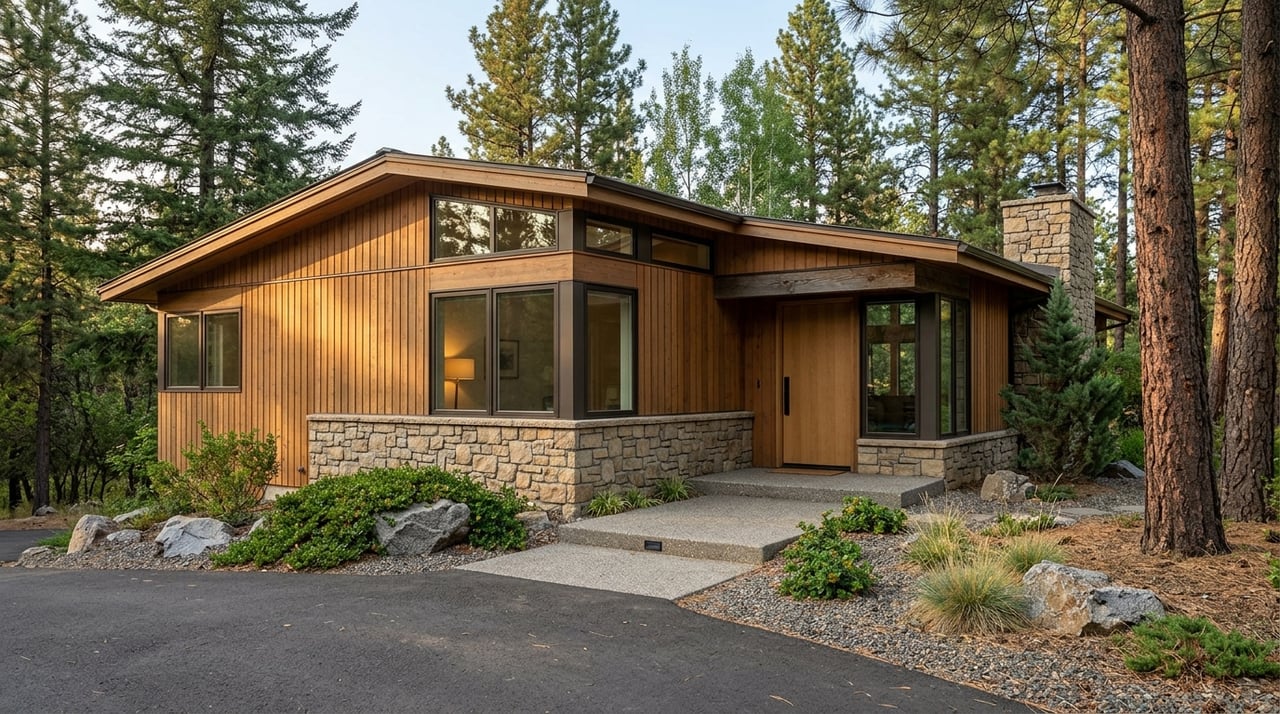
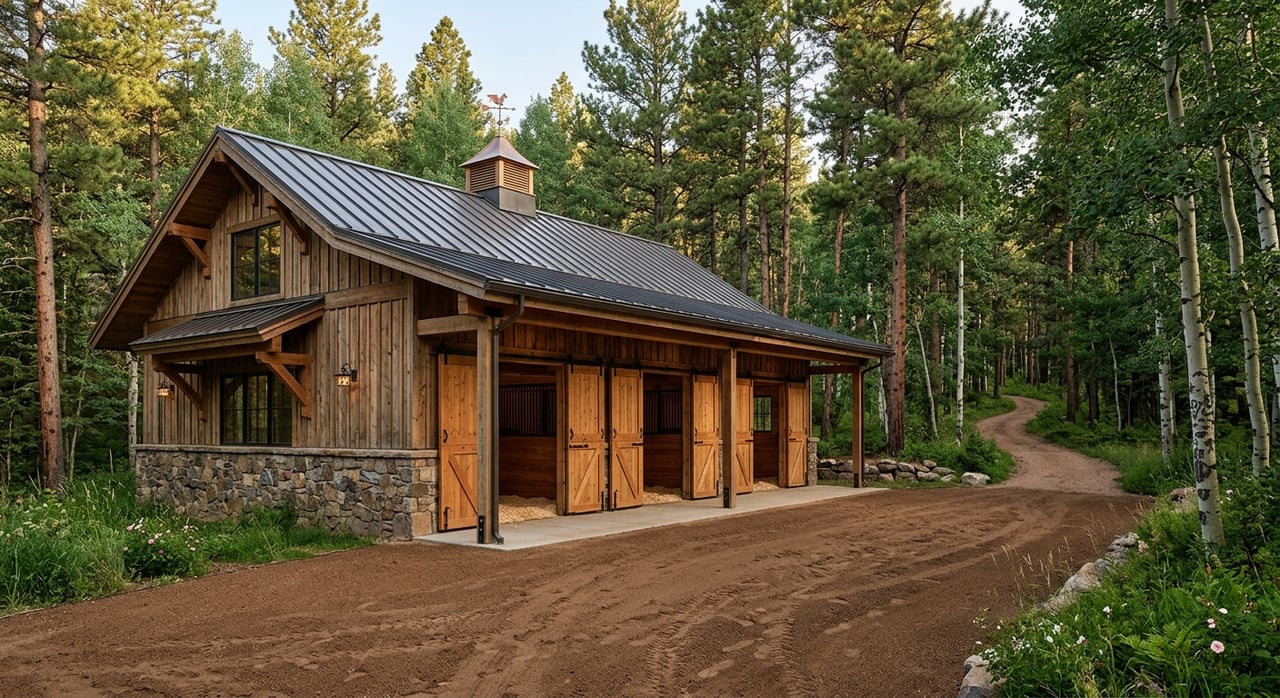
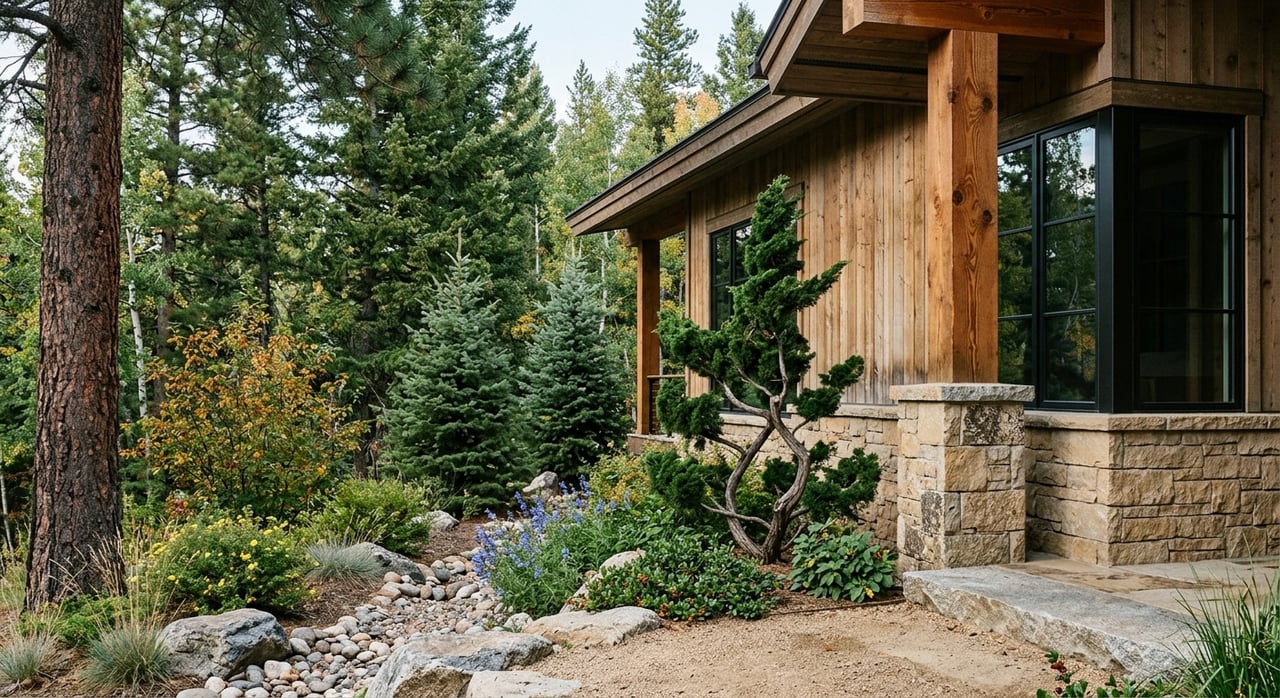
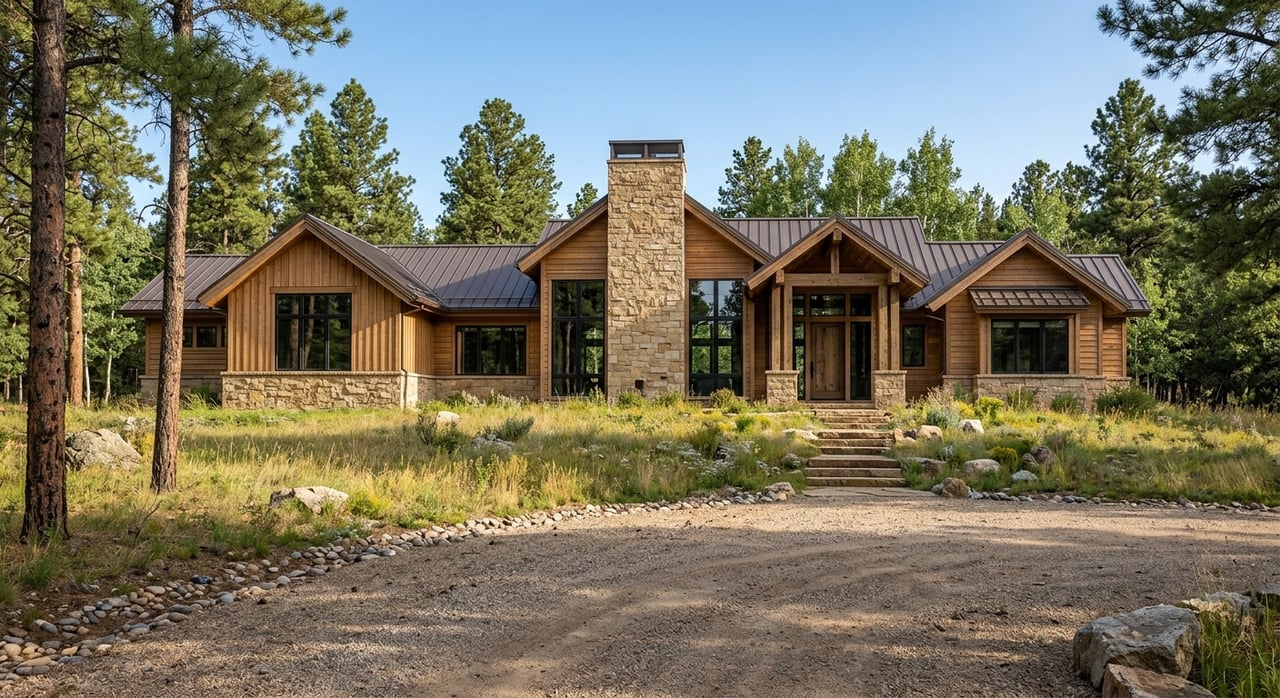
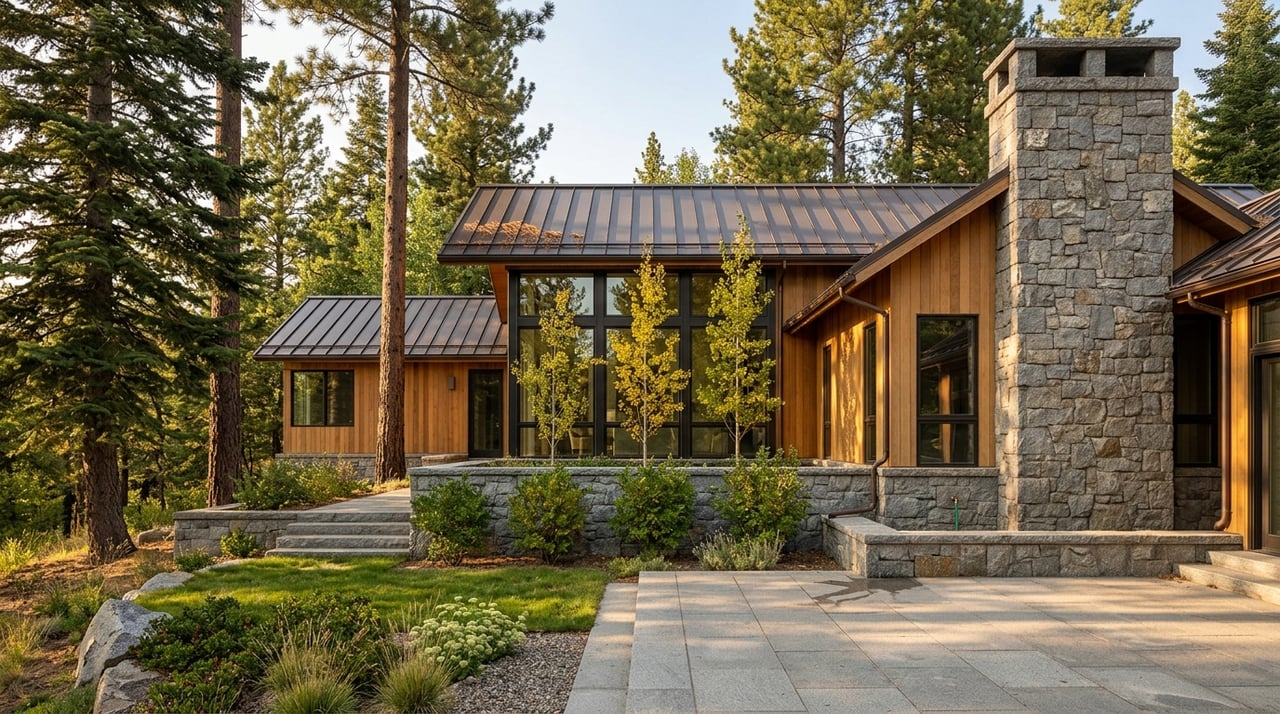
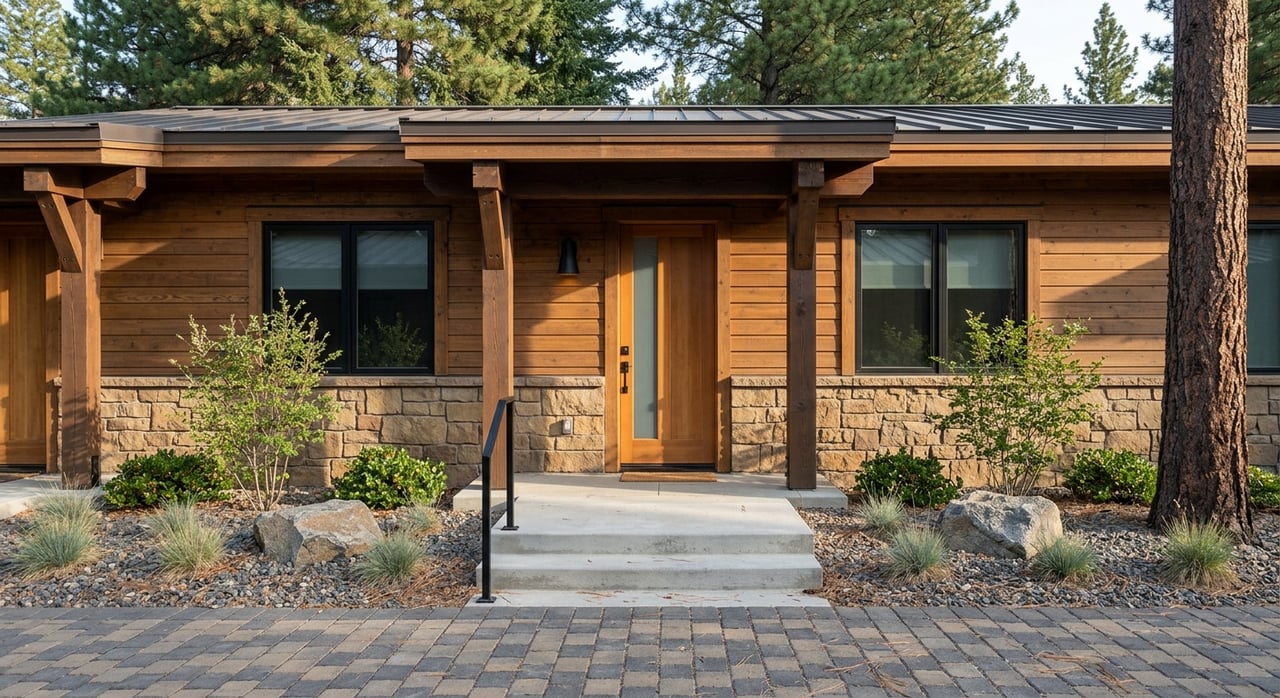
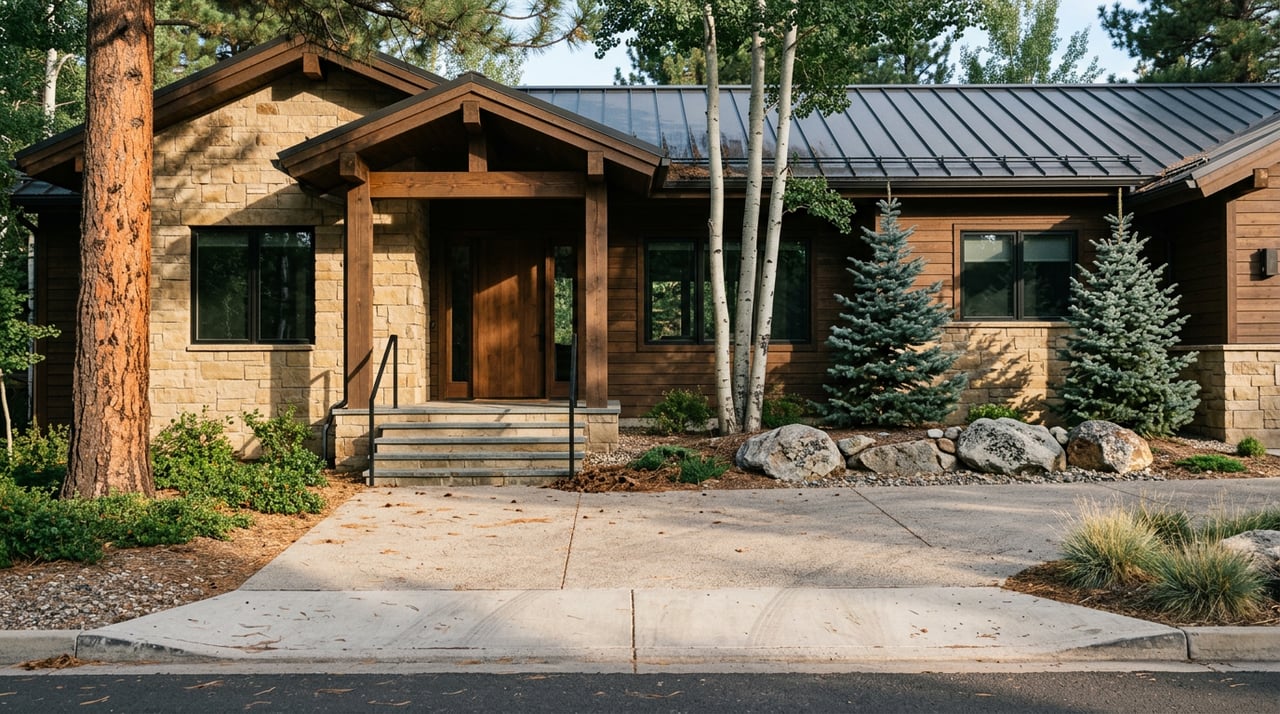
Most properties are single‑family mountain homes, from log and timber styles to contemporary estates on multiple acres. You’ll also see cabins and a limited supply of vacant parcels suited for custom builds. Lot sizes range widely, from sub‑acre wooded sites to multi‑acre estates where usable, buildable land is the key differentiator.
Primary access is via county and state roads with proximity to I‑70 and nearby towns useful for services and Denver commutes. Road type and maintenance matter, especially in winter. Some roads are narrow, steep, or privately maintained with snow removal handled by an HOA or owners.
Outdoor recreation is a core draw. Buyers value hiking, fishing, biking, scenic drives, and regional ski access, along with privacy and views at home. Daily services sit in nearby towns, so distance and drive times are part of the lifestyle calculation.
What drives demand and price
Privacy and acreage
Larger parcels and estate‑scale properties attract buyers who prioritize seclusion and room to breathe. In this micro‑market, the quality of the acreage matters as much as the count. Usable land with a practical building site, straightforward access, and appropriate soils for septic testing carries a premium.
Views and orientation
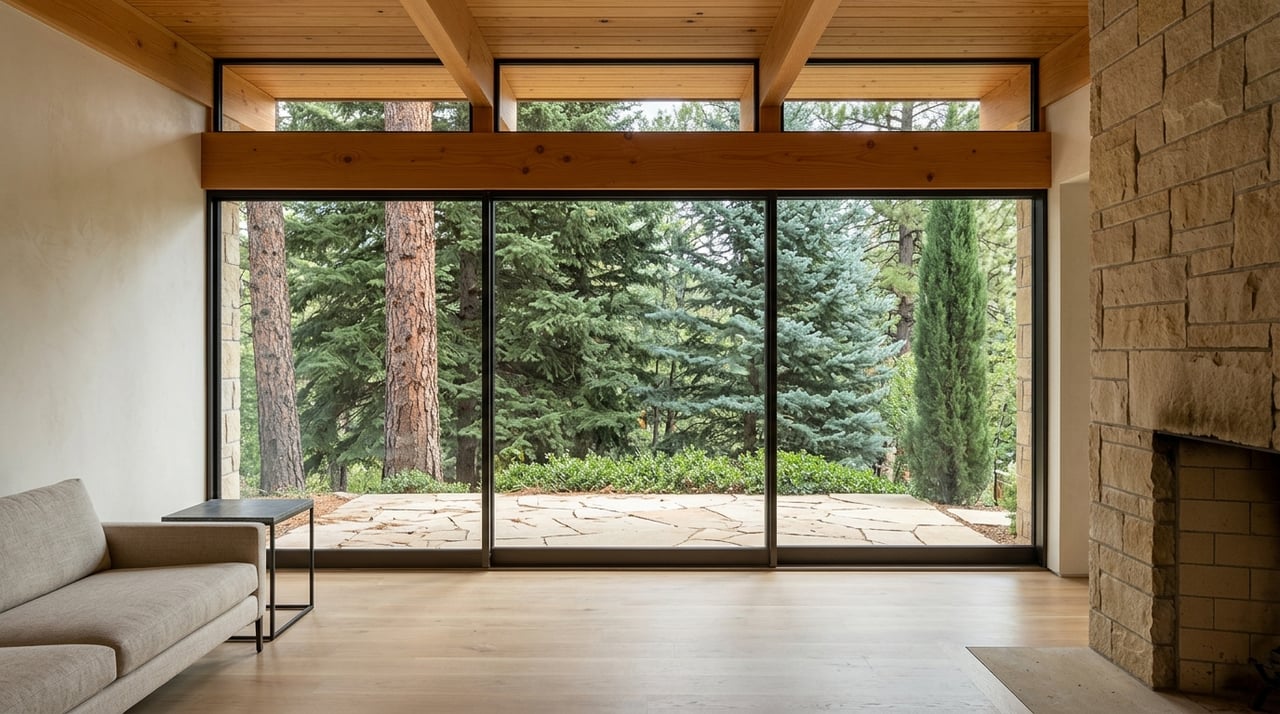
Open, unobstructed valley or mountain views, especially with a southerly exposure, are prized. Sunlight, protection from prevailing weather, and those long sightlines influence both daily enjoyment and resale value. Expect stronger pricing for properties that combine view corridors with privacy and usable ground.
Lifestyle and recreation
Buyers seeking a year‑round mountain lifestyle or a high‑end second home pay for immediate access to trails and nearby public lands. Parcels that back to open space or national forest often feel more private and tend to command higher interest.
Remote work and access
Remote and hybrid work broaden the buyer pool beyond daily commuters. That said, access still matters. Well‑maintained roads, reliable utilities, and serviceable broadband or cellular options increase confidence and pricing power.
A practical example
A 2‑acre parcel with an established building pad, unobstructed southern views, well and septic permits, and a finished driveway often trades at a premium to a 5‑acre parcel that is steep, heavily wooded, and lacking in permits or site work. In Upper Bear Creek, quality and readiness can outweigh sheer size.
How pricing works here
Using comps in a micro‑market
Appraisers and agents rely on recent sales of similar homes, then adjust for lot size, view, privacy, access, and condition. In Upper Bear Creek, land and view premiums can outweigh interior square footage differences. When sales are sparse, professionals may lean on price‑per‑acre benchmarks or a cost approach.
Usable acres vs. raw acres
Not all acres are equal. Flat or gently sloped building areas, drivable access, and suitable soils for septic are more valuable than steep, rocky terrain. Buyers will analyze how much of the land is truly usable for living, storage, and outdoor amenities.
Improvements that justify price
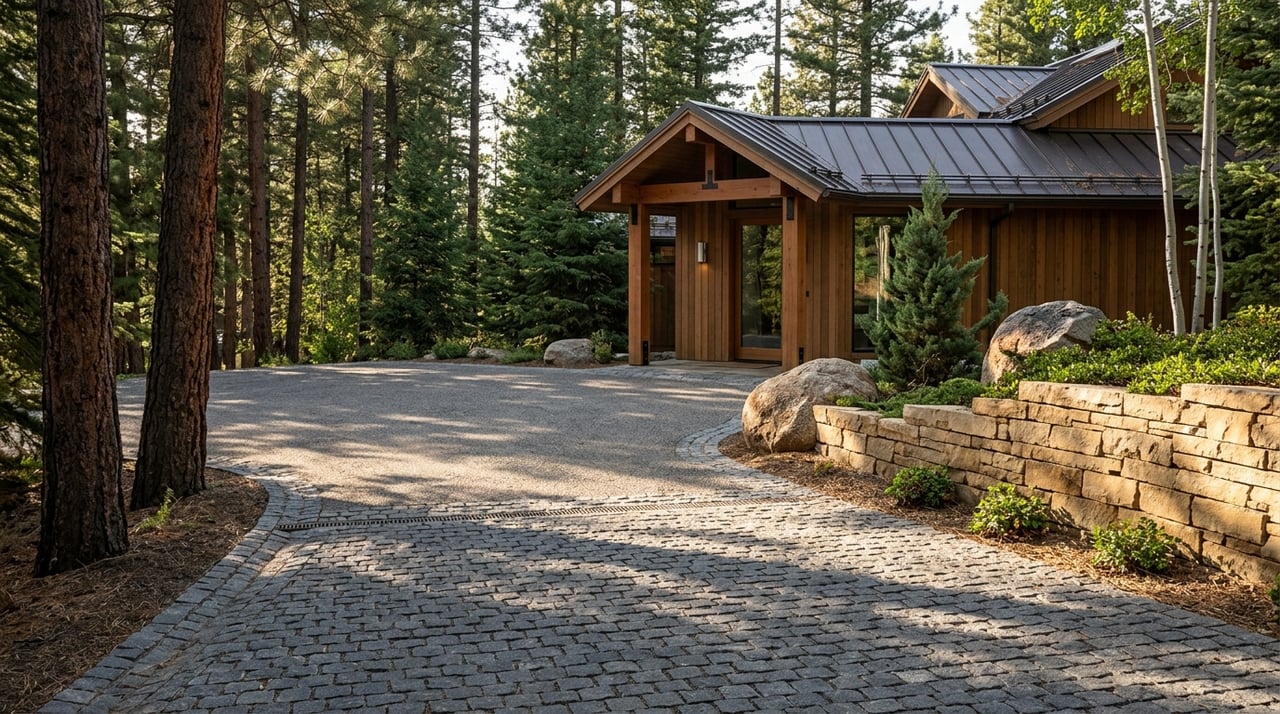
Existing driveways, retaining walls, utility hookups, and permitted wells and septic systems reduce future cost and uncertainty. These improvements often justify higher pricing. Conversely, if a buyer must assume the risk and timeline of permitting and site prep, they will discount accordingly.
Seasonal patterns and buyer mix
Mountain markets often run more active from late spring through fall. A higher proportion of second‑home buyers can influence price sensitivity and marketing strategy. Expect longer days on market for unique estates compared with urban neighborhoods.
Appraisal nuance
With limited direct comparables, appraisal outcomes can vary. Clear documentation of view corridors, usable acreage, improvements, and permits helps support value. Sellers who prepare a thorough property file equip appraisers and buyers to see the full picture.
Buyer due diligence checklist
Use this quick list to reduce surprises and strengthen your offer.
- Access and winter maintenance
- Confirm who maintains the road (county, HOA, private) and how snow removal works. Review any road dues or easements.
- Water supply and rights
- Verify well permits, production status, and any water rights or community systems. Vacant land buyers should investigate augmentation requirements.
- Septic and wastewater
- Check permits, capacity, and inspection reports. Budget for soil/percolation testing and potential upgrades.
- Utilities and energy
- Confirm electricity availability and options for natural gas, propane, solar, or generators. Assess broadband and cellular coverage.
- Wildfire and flood risk
- Evaluate vegetation, defensible space, and local wildfire hazard designations. For lower‑lying canyon parcels, review floodplain status.
- Zoning and restrictions
- Confirm zoning, allowed uses, setbacks, height limits, and any covenants or architectural review requirements.
- Permitting and site preparation
- Understand costs and timelines for grading, retaining walls, foundation engineering, erosion control, and new well/septic installations.
- Taxes, insurance, and assessments
- Review tax assessments, insurance availability and premiums, and any special assessments.
- Mineral rights and surface use
- Determine whether mineral rights are severed and whether any leases or easements exist.
Seller preparation checklist
Position your property to command a premium and streamline appraisal.
- Pull permits and records
- Assemble well and septic permits, recent inspections, building and improvement permits, and any road or maintenance agreements.
- Document improvements
- Provide invoices or plans for driveways, retaining walls, utility hookups, drainage work, and recent capital improvements.
- Clarify access and maintenance
- Outline winter snow removal, HOA or private road dues, and any easements that benefit the property.
- Address risk items
- Complete wildfire mitigation and drainage improvements where appropriate. Consider a septic inspection before listing.
- Showcase land and views
- Clear view corridors thoughtfully and groom usable areas. Quality photography and aerials should highlight exposure, privacy, and proximity to public lands.
- Time the market and tailor marketing
- Consider seasonal rhythms and the likely mix of local, regional, and second‑home buyers. A targeted campaign can boost qualified showings.
Validate price with the right data
Where to get authoritative info
- Local MLS via a licensed broker for the most accurate active, pending, and sold data.
- Clear Creek County Assessor and Clerk & Recorder for tax values, legal descriptions, deeds, and recorded easements.
- Clear Creek County planning and building for zoning, permit history, septic and well records, and road maintenance information.
- FEMA flood mapping for floodplain designations.
- Colorado Division of Water Resources for well permits and water rights status.
- Colorado State Forest Service and local fire mitigation resources for wildfire risk guidance.
- County GIS and parcel viewer for boundaries, acreage, topography, and proximity to public lands.
- Insurance brokers specializing in mountain properties for coverage availability and premium considerations.
Metrics to track right now
- Active inventory counts for homes and vacant lots.
- Recent median sale prices over 30, 90, and 180 days.
- Average days on market and list‑to‑sale price ratio.
- Lot size distribution by percentiles and how price per acre changes with usable land.
- Share of listings with higher‑risk factors such as private roads or lack of utilities.
- Recent building permits and new construction starts.
Strategy tips for buyers and sellers
For buyers
- Focus on usable acreage, exposure, and true buildability rather than just lot size.
- Price visible risks, sitework, and permitting timelines into your offer strategy.
- Ask for documentation on wells, septic, permits, improvements, and road agreements early.
For sellers
- Preempt negotiation points by providing clear records and recent inspections.
- Highlight improvements that reduce buyer uncertainty, such as driveways, drainage, and permitted systems.
- Prepare for appraisal by mapping view corridors and usable land in your property materials.
What to do next
Whether you are acquiring an estate parcel or preparing a legacy sale, Upper Bear Creek rewards clear strategy and precise valuation. A principal‑led, concierge approach ensures your pricing reflects the land, the views, and the sitework that define this micro‑market. If you want tailored representation, discreet marketing options, and access to global channels for qualified buyers, connect with Lark Stewart to get started.
FAQs
What makes Upper Bear Creek unique compared with other foothill areas?
- Steep, varied terrain creates prized view corridors and privacy, while public lands nearby enhance recreation and seclusion. Usable acreage and access are bigger value drivers than square footage alone.
How long do homes and estates typically take to sell here?
- Days on market can be longer than in urban neighborhoods, especially for unique or estate‑scale properties. Seasonality and buyer mix also influence timelines.
How should I evaluate a vacant lot in Upper Bear Creek?
- Confirm buildable pad location, access grade, soils for septic, well feasibility, and permit paths. Price in sitework and timelines before finalizing your offer.
Can I rely on online estimates for pricing my home?
- Use caution. Low comp volume and property uniqueness can skew automated valuations. MLS‑based comps and local expertise provide more accurate pricing.
Are there special insurance considerations in this area?
- Wildfire and wind exposure can affect availability and premiums. Consult a broker who specializes in mountain properties early in the process.
What due diligence is most urgent during winter months?
- Verify road ownership and snow removal, test access during storms, and review any private road dues or maintenance agreements. Ensure utilities and backup systems meet cold‑weather needs.