Under contract on a twelve-acre parcel in Soda Creek this spring, a buyer's team hit a number in the seller disclosures that seemed almost too good to be real: $450 a year in homeowners association dues. For land priced above two million dollars, that figure looked less like a line item and more like a typo.
It wasn't a typo. It was accurate, and it was also incomplete. The dues cover exactly what the Soda Creek Property Owners Association was built to cover, and nothing more. They say nothing about the well that supplies the house, the septic system that serves it, or the private road two doors down that a completely different association pays to plow. In an acreage community carved out of a former cattle ranch, the low HOA fee isn't hiding the real cost of ownership. It simply isn't the line where that cost lives.
Five To Thirty-Five Acres, Zero Municipal Systems
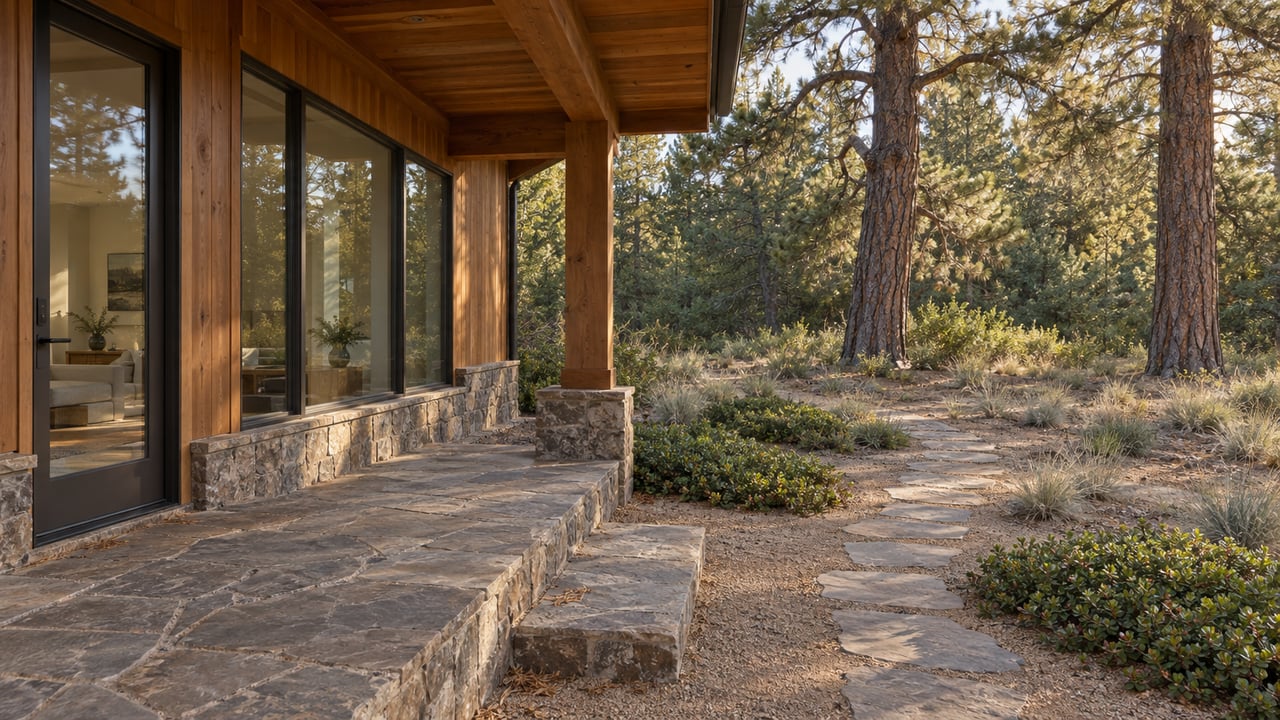
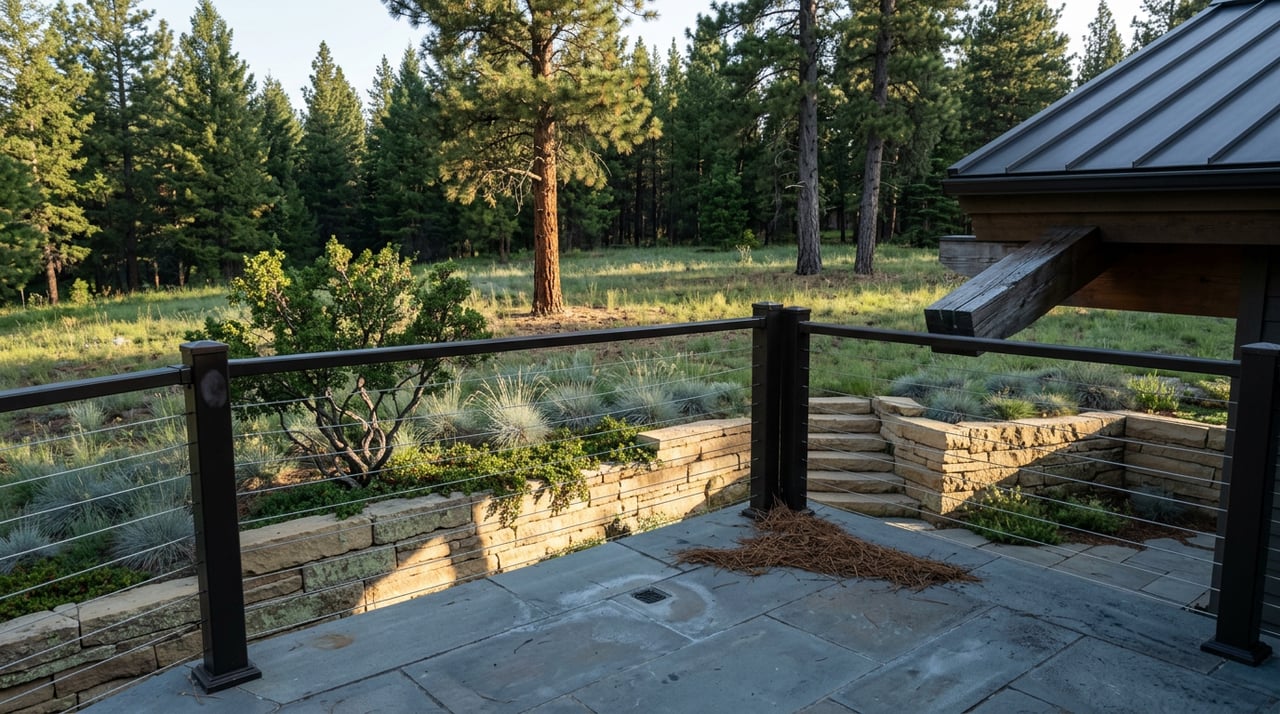
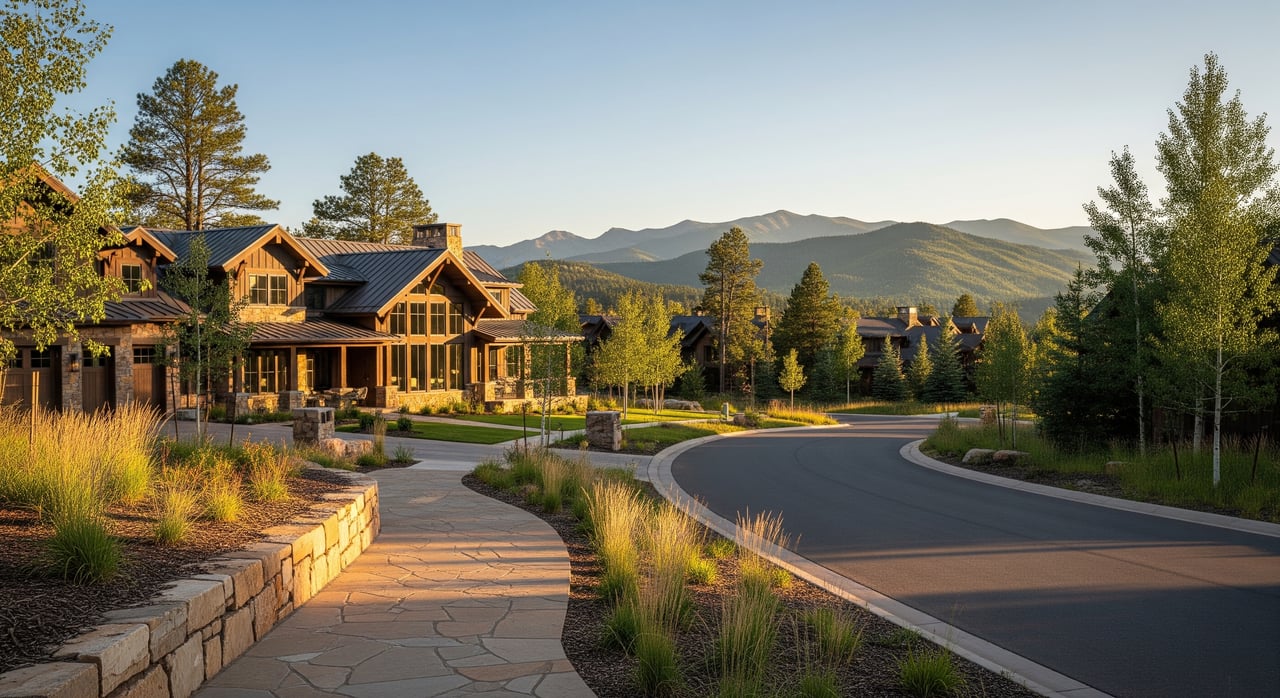
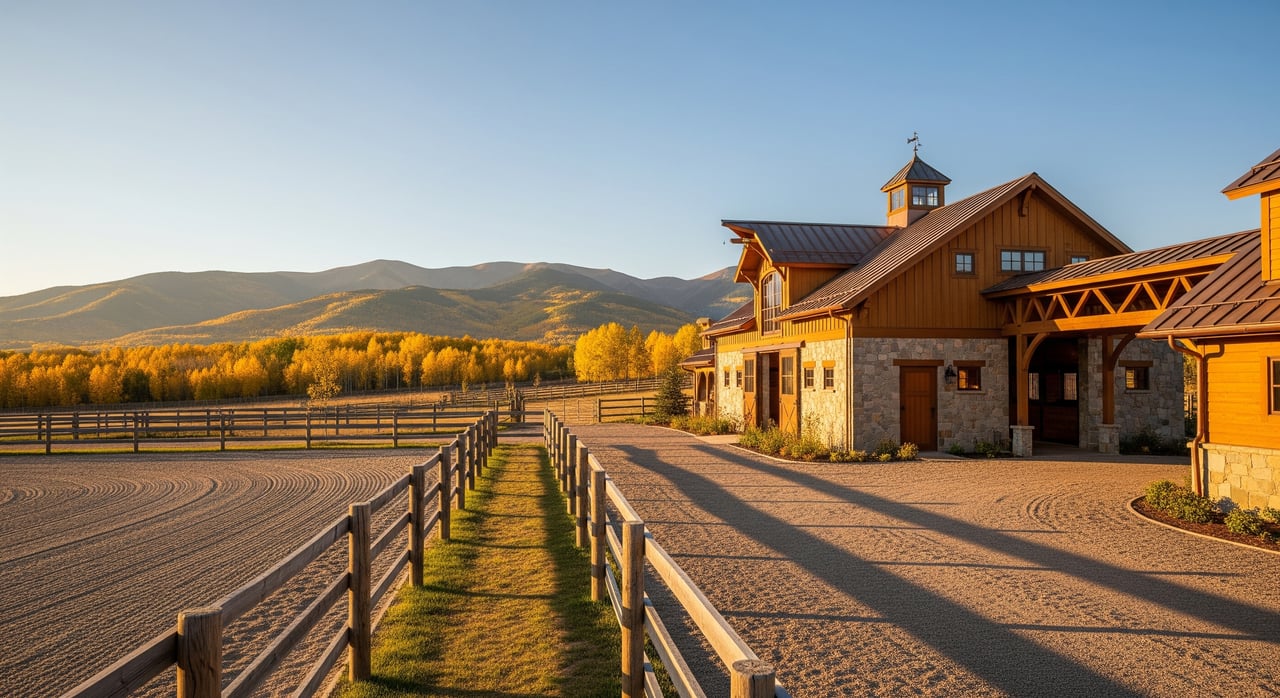
The Soda Creek Property Owners Association describes the community's origin plainly: a cattle ranch subdivided into 218 properties ranging from five to thirty-five acres, still threaded with the conifer stands and open meadow that made it grazing land in the first place. Parcels that size were never going to sit on a shared water main or a municipal sewer line. Each one carries its own well and its own septic field, rather than relying on a central utility.
That's the first piece of context a $450 fee needs. A community this size, at this density, simply doesn't have shared infrastructure to fund. The dues line reflects a narrow job, not a cheap one.
What The Dues Line Actually Funds
The association is professionally managed through KC and Associates, and its scope matches its budget. The money maintains the community's seasonal pond, stocked for summer fishing and frozen over for winter skating, along with the trail network that laces through the subdivision and connects toward the open space beyond it. It doesn't touch roads, water, or wastewater, because across most of Soda Creek those were never shared systems to begin with. They belong to the parcel, not the association.
That distinction is easy to miss if you're comparing this fee against a suburban HOA that bundles snow plowing, common-area landscaping, and a clubhouse into one monthly charge. Soda Creek's association was never asked to do that work, so it never priced for it.
A Second HOA Living Inside The First
Buyers who search for "Soda Creek HOA" often stop at the community-wide association and miss a second layer entirely. The Promontory at Soda Creek, a pocket of 53 property owners at the intersection of Evergreen Parkway and Squaw Pass Road, runs its own board, its own dues, and its own infrastructure obligations. Every road inside that pocket except Windom is privately owned and maintained by the HOA itself, which contracts with Pine Grove Excavating for snow removal and plows once four inches of new snow has fallen. Windom is the one exception: Jefferson County handles that road's maintenance and plowing directly.
For a buyer comparing two Soda Creek listings side by side, that's not a footnote. One parcel's road costs are baked into a private association's dues and contractor relationship. The one next to it may answer to a completely different set of rules, or to none at all.
Where The Money Actually Moves
| Cost that lives off the HOA ledger | Who pays it | Typical range |
|---|---|---|
| Well drilling, permitting, and testing | Individual owner | Priced and permitted separately from septic, through Colorado's well permitting process rather than the HOA |
| Septic system installation | Individual owner | $8,000 to $40,000 for a full installation statewide; difficult soils or engineered designs push toward the top |
| Septic permit for a new system, repair, or addition | Individual owner, filed with Jefferson County | $1,023 |
| Septic tank replacement only | Individual owner | $523 |
| Septic permit renewal | Individual owner | $250 |
| Private road maintenance and snow removal, Promontory pocket only | Shared among 53 owners through separate HOA dues | Contracted, not itemized on a public listing |
None of these figures appear on a listing sheet next to the $450 annual dues. They surface during due diligence, in permit files and inspection reports, which is exactly where a buyer needs to go looking before the low number gets treated as the whole story.
Why This Matters More In Today's Market
The distinction carries more weight in 2026 than it might have two years ago. In a June 2026 report, the Colorado Association of REALTORS® described the Evergreen and Conifer foothills market as shifting toward balance, with inventory rebuilding and year-to-date sales up more than 10 percent even as median prices held relatively stable near $700,000. Evergreen-area REALTOR Julia Purrington Paluck put it directly: pricing, condition, and presentation matter more than ever, and buyers are negotiating from a stronger position than they've had in years.
Active Soda Creek listings this summer have spanned roughly $1.5 million to $6.5 million, a wide enough band that the dues line rarely tells you much about what you're actually signing up for. A buyer with room to negotiate can ask for well flow test results, septic inspection records, and written confirmation of which association, if any, governs a specific parcel, before the number on page one of the listing gets mistaken for the whole picture.
How To Read The Zero
National listing aggregators often average Soda Creek's HOA figures down toward something close to zero per month, since $450 a year divides into a fraction few sites bother to display. That rounding creates its own kind of noise. It tells a browsing buyer that Soda Creek costs almost nothing to maintain, when the more accurate read is that the association simply never took on the costs that would have produced a larger number in the first place: water, sewer, and across most of the neighborhood, roads. The fee is low because the association's job is narrow, not because ownership is cheap.
A Few Direct Questions
Does every property in Soda Creek belong to the same HOA? No. The Soda Creek Property Owners Association covers the broader 218-parcel community, but pockets like The Promontory at Soda Creek run their own separate association, with their own dues, road maintenance, and snow removal contract. Confirm which association, if any, applies to a specific parcel before assuming the community-wide dues are the only number on the table.
Is owning a well and septic system unusual for this price range in Evergreen? No, it's the norm on acreage this size. Jefferson County permits septic systems individually, and a full septic installation for a new or replacement system commonly runs $8,000 to $40,000 statewide, with well costs permitted and priced separately depending on depth and geology.
What should I ask for before writing an offer in Soda Creek? Request the well's permit history and any flow test results, the septic system's permit and inspection records, and written confirmation of which HOA, if any, governs the parcel and what its dues actually cover. All three sit outside the number most listings lead with.
A low HOA fee tells you what a community decided not to take on. In Soda Creek, that decision buys privacy, acreage, and a light hand from any association, but the real math lives in county permit files and well logs rather than a single line on a listing sheet. If you're weighing a purchase here, or wondering what your own Soda Creek property is actually worth once every cost is accounted for, Lark Stewart can walk through the specifics with you. Request a Confidential Home Valuation to start that conversation.
This article is general information, not legal, tax or financial advice. Consult a qualified professional about your situation.