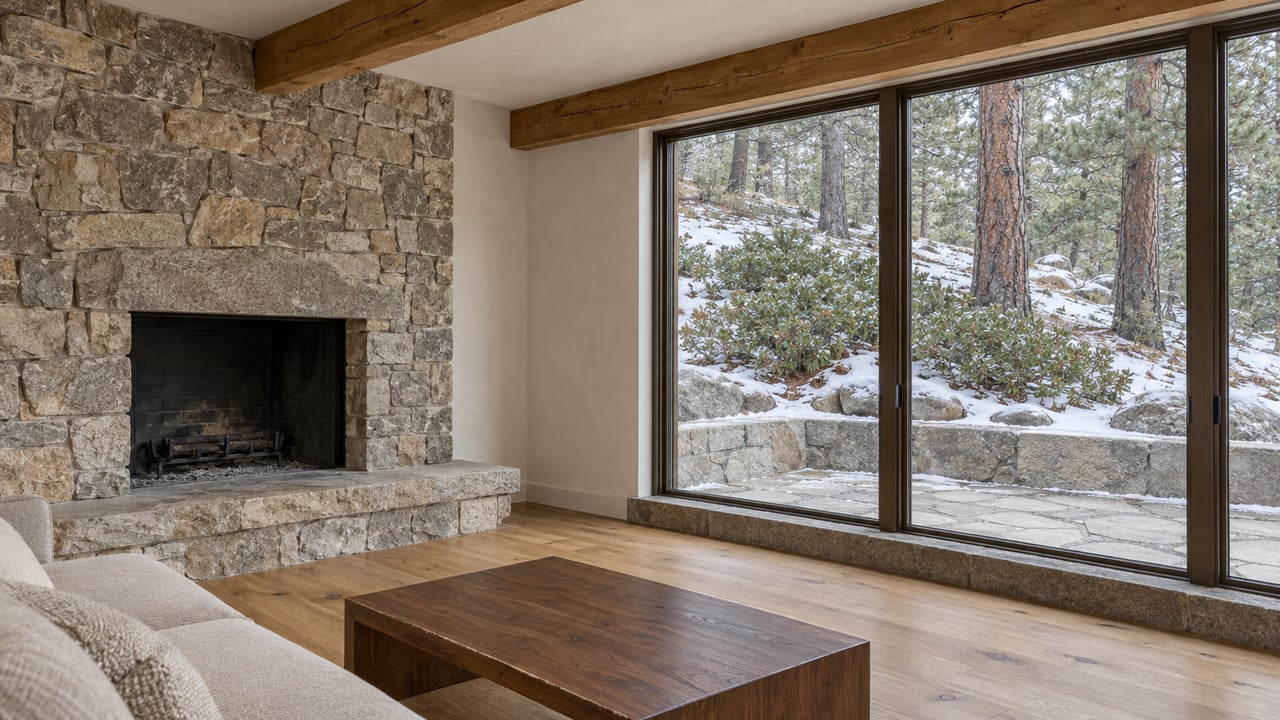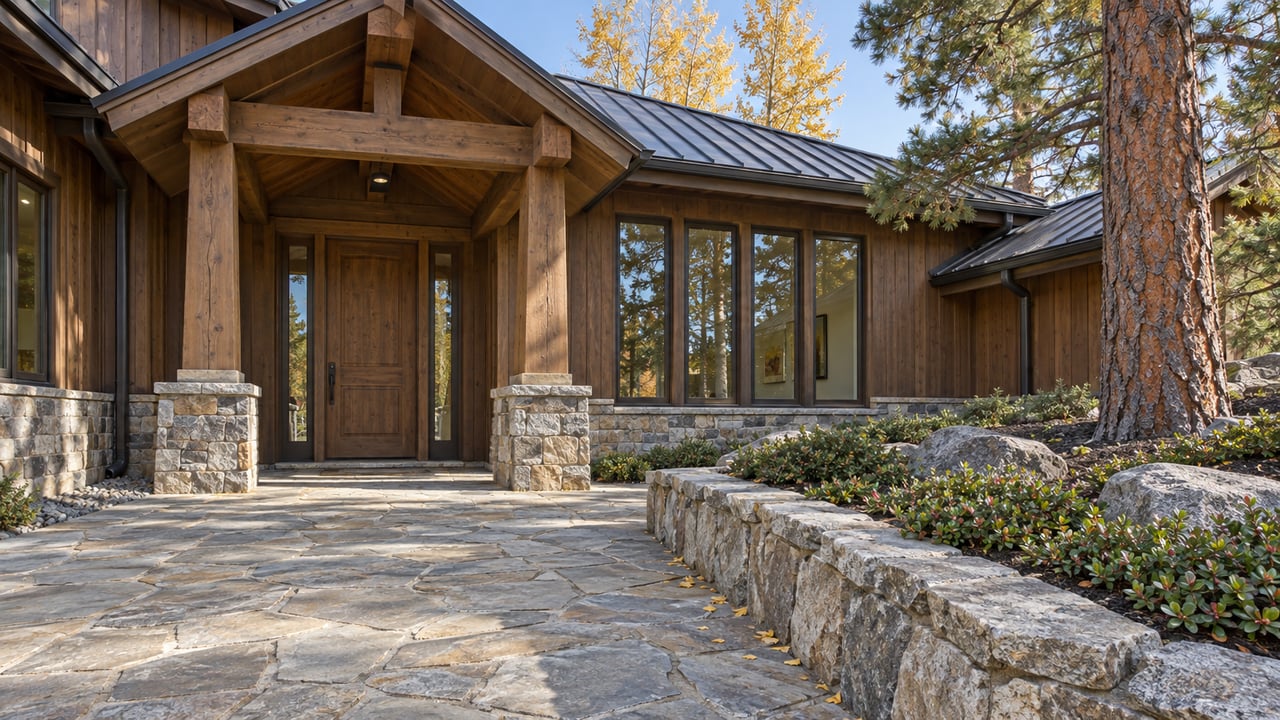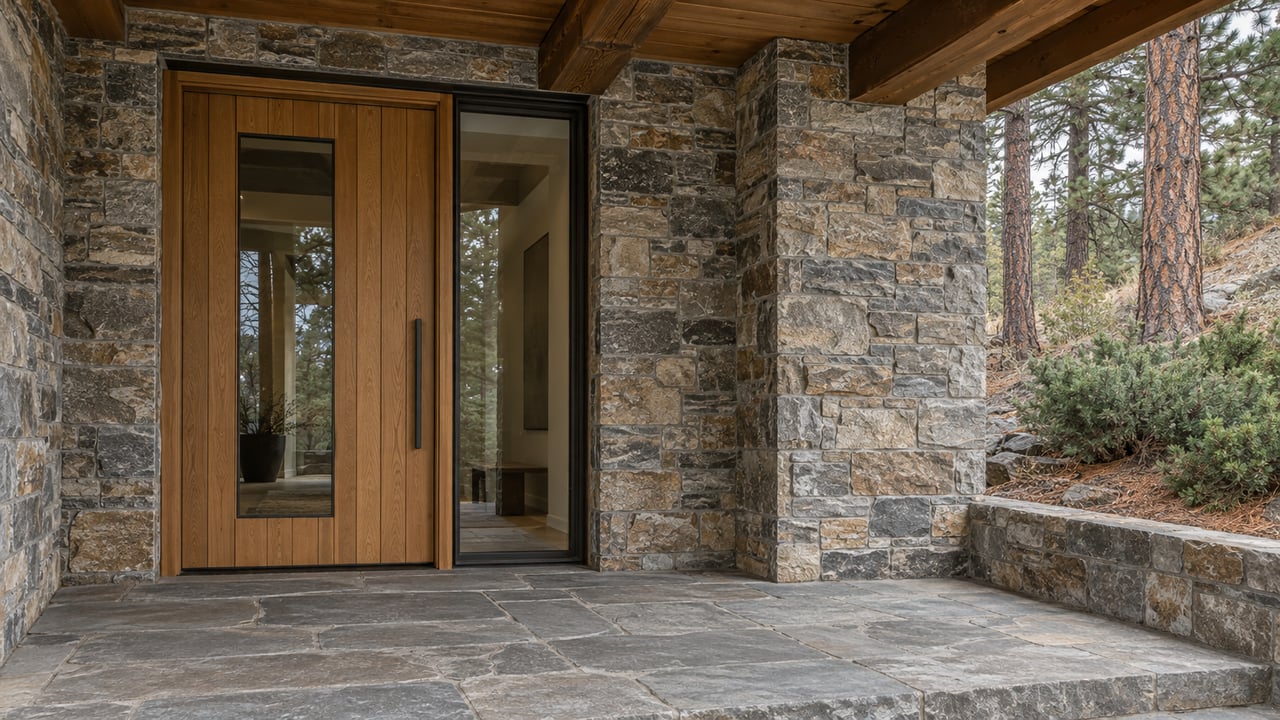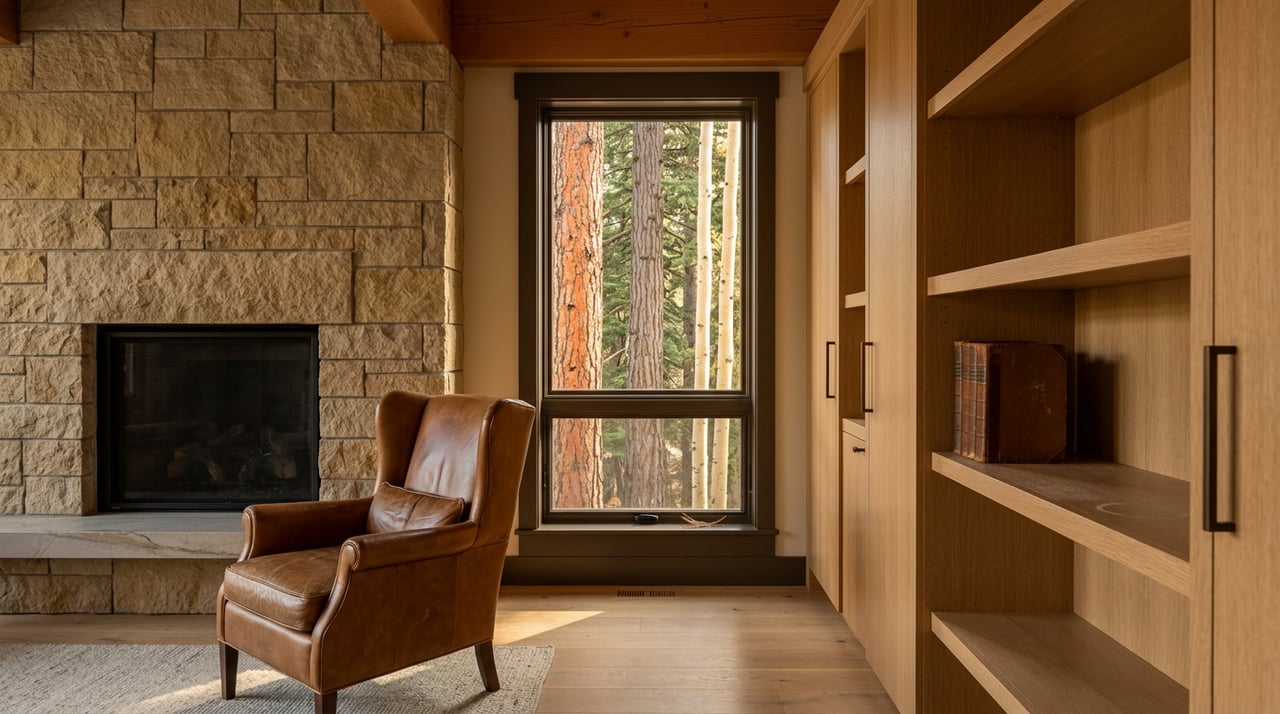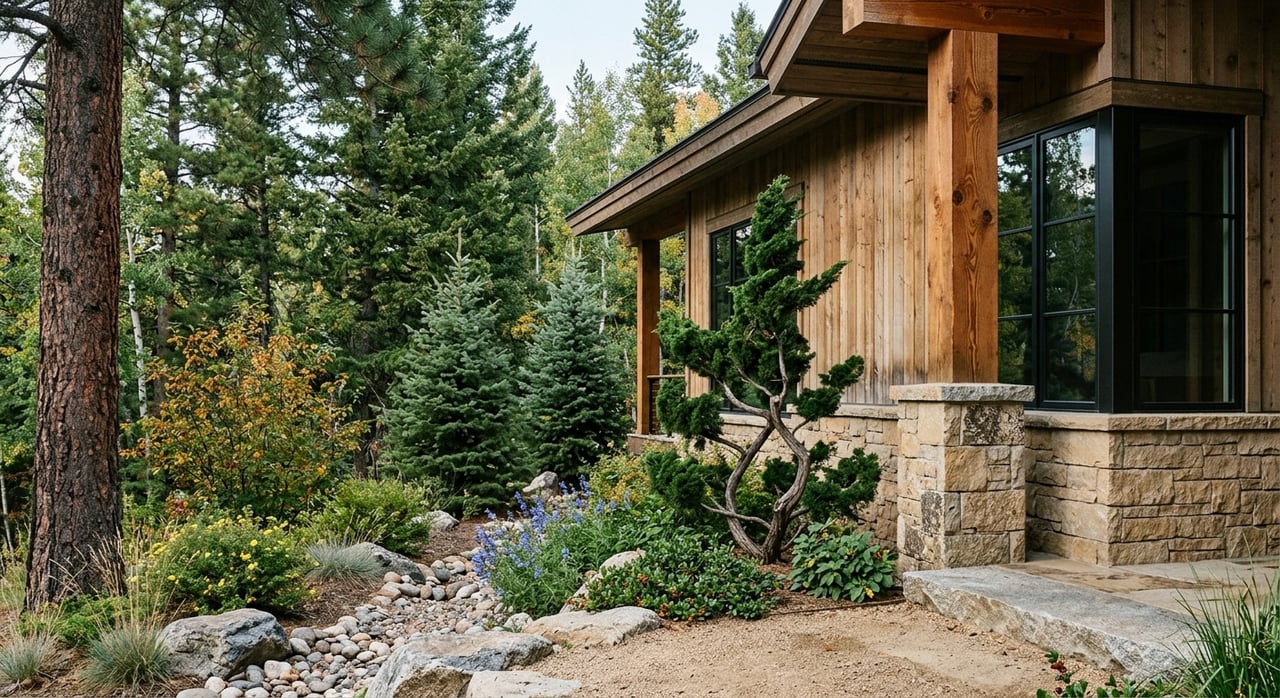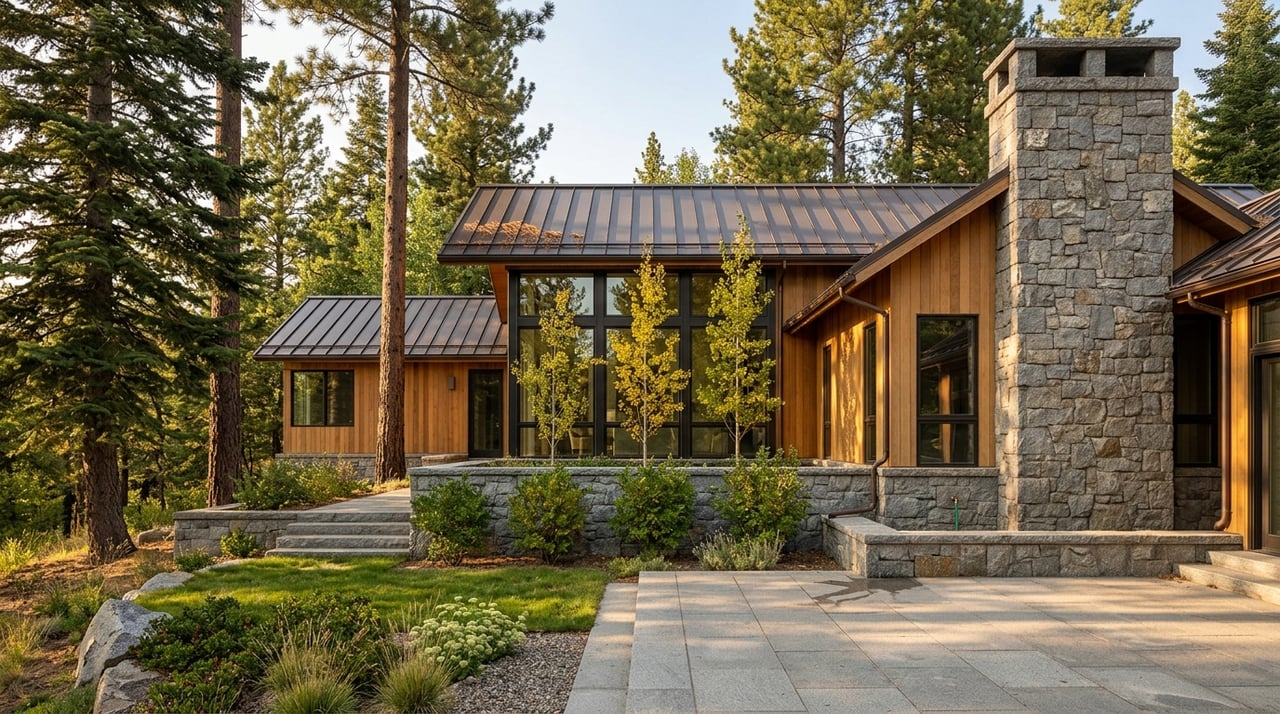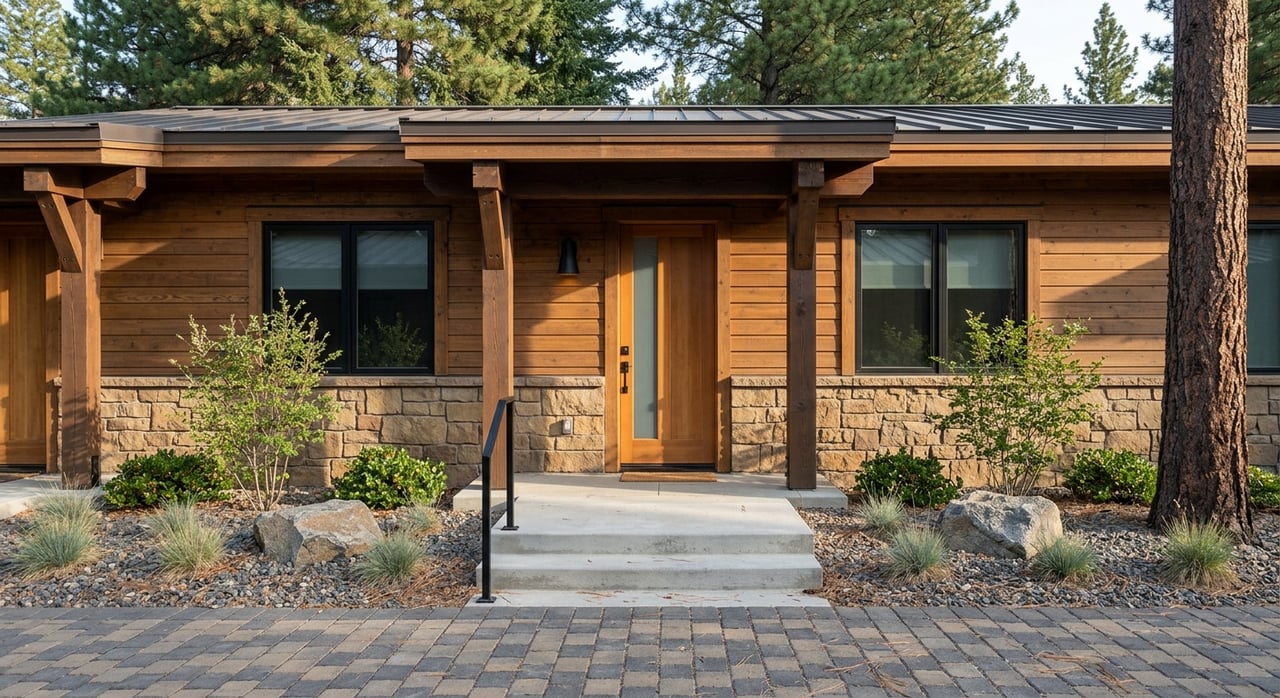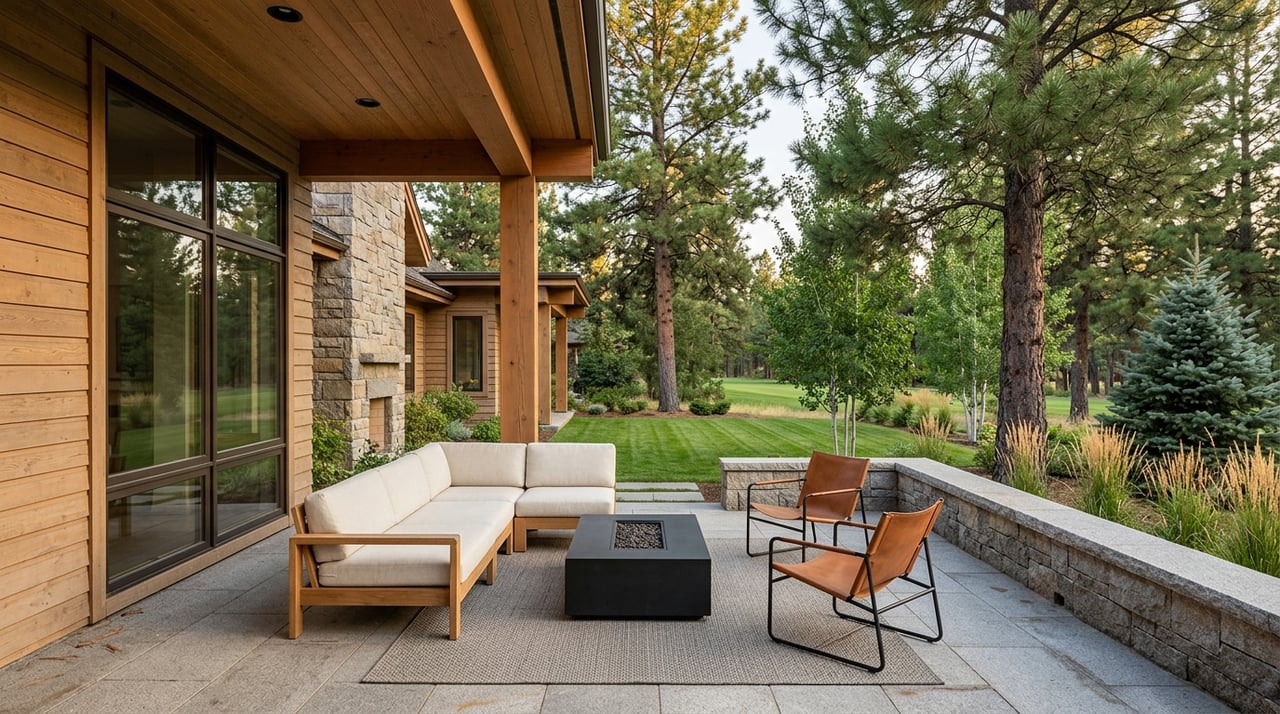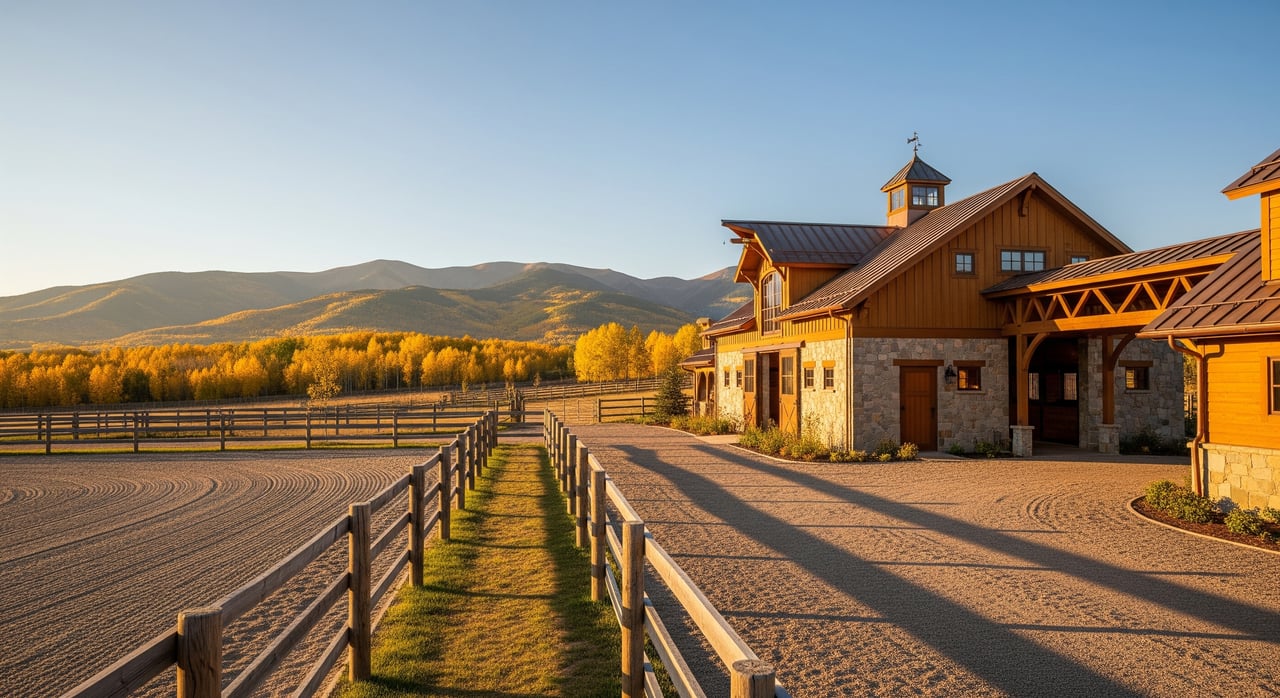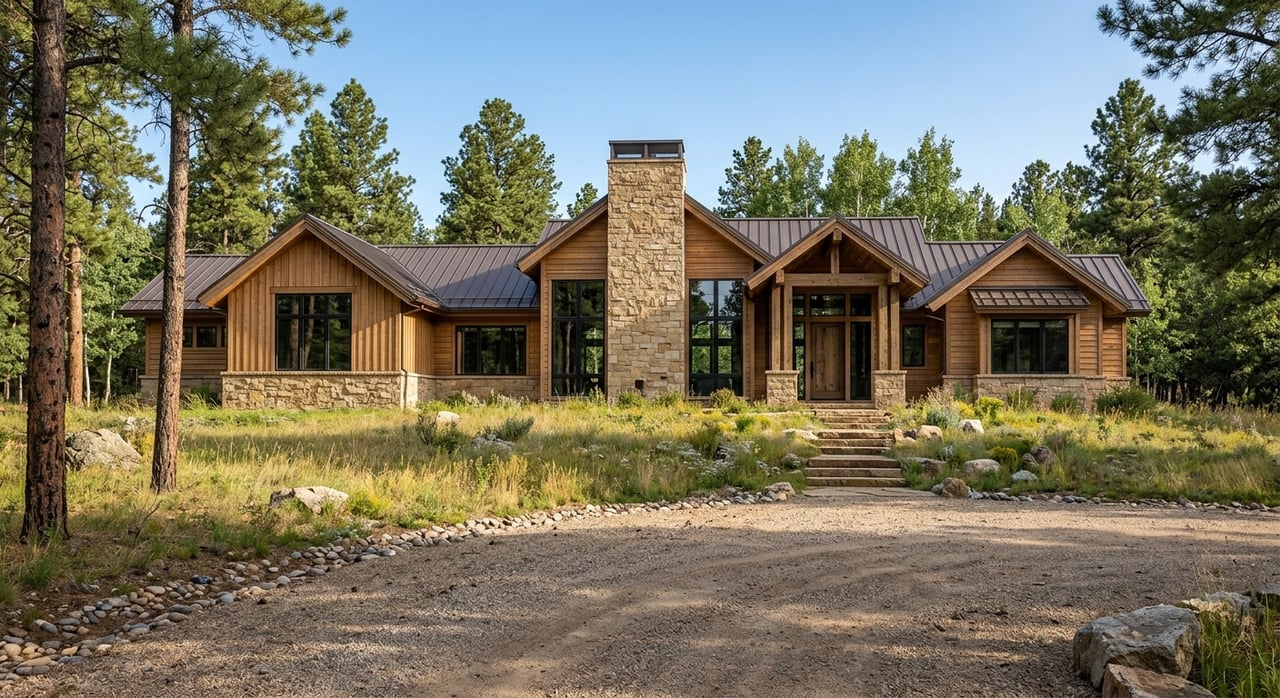
If you are thinking about buying acreage in Soda Creek, the land itself matters just as much as the home. A beautiful setting, open meadow, or horse-ready feel can be exciting at first glance, but acreage purchases often come with more moving parts than buyers expect. If you ask the right questions early, you can avoid expensive surprises and focus on properties that truly fit your goals. Let’s dive in.
Start With the Exact Parcel
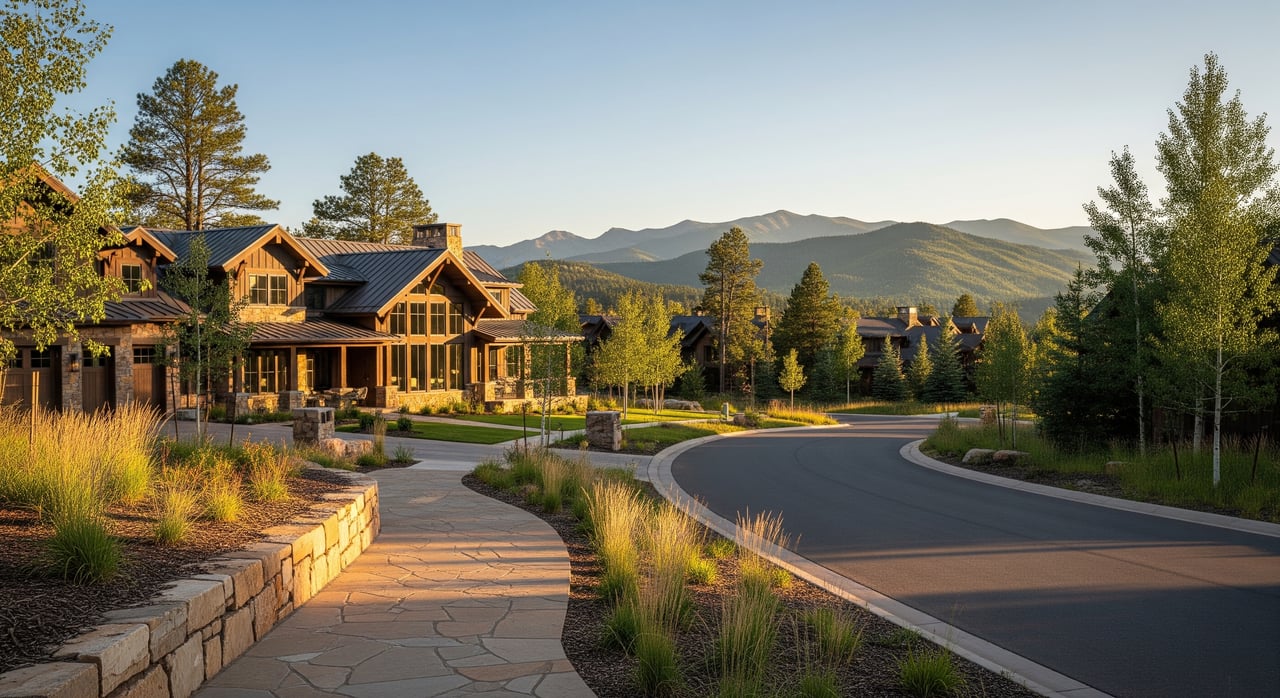
In Soda Creek, broad neighborhood appeal does not tell you everything you need to know about a specific property. The community includes 218 properties ranging from 5 to 35 acres, with many horse properties, woods, meadows, private trails, and a private pond. That variety is part of the draw, but it also means each parcel can have very different limits and opportunities.
Jefferson County recommends starting with its interactive mapping tools to verify zoning, recent permits, tax information, and nearby development applications for the exact parcel. This is an important first step because zoning and prior approvals can affect how you use the land. If you are comparing two acreage properties, the better fit is often the one with the clearer path forward, not simply the larger lot.
Questions to ask first
- What is the current zoning for this parcel?
- Are there recent permits, violations, or nearby development applications?
- Are there any private covenants that add restrictions beyond county zoning?
- Does the parcel layout support the way you want to use the land?
Confirm Horse Use Before You Assume
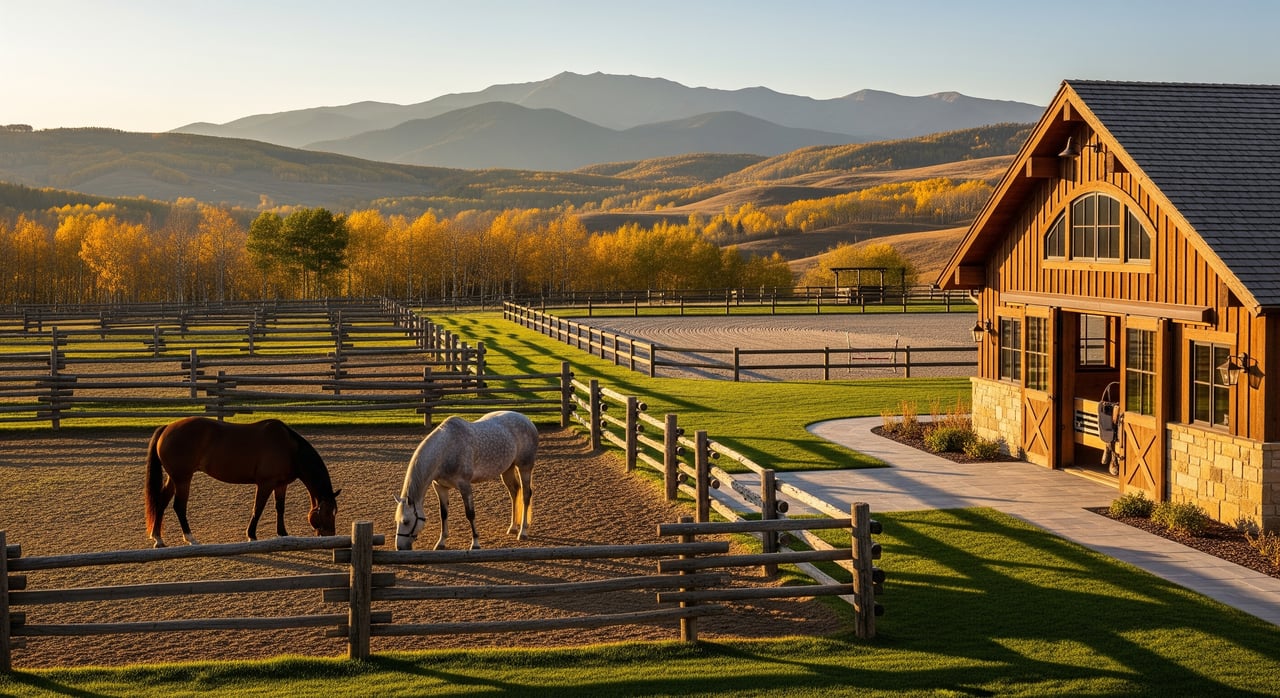
Soda Creek is known for horse properties, but horse use is not something you should assume just because a property feels equestrian. In Jefferson County, large-animal access depends on zoning. County materials list large-animal access in R-1, MR-1, MR-2, SR-1, SR-2, SR-5, A-1, A-2, A-35, and some planned development properties.
Animal count matters too. In the county’s residential mountain and suburban districts, the rule is 9,000 square feet of open lot area for the first large animal and 6,000 square feet for each additional animal, with a maximum of four per acre. In A-1, A-2, and A-35, parcels that meet minimum lot size requirements have no stated limit under that county standard.
Horse property questions to ask
- Does this parcel’s zoning allow horses?
- How many large animals would the parcel support under county rules?
- Is the usable open area large enough for the number of animals you want?
- Do HOA covenants add any restrictions beyond zoning?
If tax treatment is part of your decision, ask that question early too. Jefferson County says horses qualify for ranch classification only when used for horse breeding or draft use. Pleasure horses and horse boarding do not qualify for ranch classification.
Review HOA Rules Carefully
Acreage buyers often focus on county rules first, then learn later that HOA requirements can shape daily use and future plans. In Soda Creek, the HOA says its Architectural Control Committee reviews exterior improvements and land changes. That includes barns, garages, sheds, new driveway locations, retaining walls, fencing, landscaping or grading, and guest spaces.
The HOA asks owners to allow about 30 days after a complete submission for review. That timing matters if you are planning updates soon after closing. It also matters if you are choosing between a move-in-ready property and one that will need work.
One detail deserves special attention. The HOA says a guest space with a kitchen may violate the community’s state-monitored water augmentation plan and or declaration of covenants. If a guest suite, multigenerational layout, or separate living space matters to you, this should be part of your due diligence from the start.
HOA questions worth asking
- What changes require ACC approval?
- How long does approval usually take after a complete submission?
- Are fences, barns, driveways, retaining walls, or grading subject to review?
- Are guest spaces or kitchen-equipped guest areas restricted?
Verify Trail Access and Use Rights
One of Soda Creek’s lifestyle draws is its private trail network. The HOA trail guide lists 14 trails in the community and says they are for property owners and guests only. It also says motorized vehicles are prohibited.
That is an important distinction for buyers. Private neighborhood trails are not the same as public trail access, and trail rights should be verified rather than assumed. If riding or walking access is a major part of your lifestyle, you will want to understand exactly what comes with the property.
Jefferson County also notes that most of its open-space trails are multi-use and open to hikers, bikers, and equestrians, though some are single-use. For equestrian users, the county’s large-animal guide says hikers and bikers should yield to equestrians on those systems.
Ask these trail questions
- Does this property have direct or convenient access to Soda Creek’s private trails?
- Are the trails private, public, or both nearby?
- Are there rules on trail use for owners and guests?
- Are motorized vehicles prohibited on community trails?
Treat Water and Septic as Core Value Drivers
With acreage property, water and wastewater systems are not side issues. They are part of the purchase price, the livability of the home, and your future flexibility. In Soda Creek, that is especially important because both county and state rules can affect what you can do next.
Jefferson County Public Health requires onsite wastewater treatment system permitting for septic systems. The county also says owners must obtain a use permit before selling a property with an OWTS if the system was installed more than five years before the sale date. That means you should confirm the status and permitted capacity of the system during the transaction.
Bedroom count is another common issue. Jefferson County says septic-served properties should confirm that bedroom additions fit the OWTS permit, and it notes that the county often defines a bedroom broadly enough that offices, dens, or workout rooms can count. A home that looks like it has flexible extra space may not have the septic approval to support that use the way you expect.
On the water side, the Colorado Division of Water Resources says well permits can be searched online, and new wells go through its permitting process. It also notes that in many areas, a well permit for uses such as lawn and garden irrigation, domestic animals, or subdivision-related use may require an augmentation plan.
Because Soda Creek’s HOA references a state-monitored water plan, buyers should verify the existing well permit, any augmentation obligations, and whether planned additions or guest space ideas fit those water rules.
Water and septic questions to ask
- Is there a current OWTS use permit if required for the sale?
- How many bedrooms does the septic permit support?
- Could an office, den, or gym affect the allowed bedroom count?
- What does the well permit allow?
- Are there augmentation requirements tied to the well or future use?
- Would future additions or a guest suite fit the property’s water and septic limits?
Evaluate Access, Terrain, and Earthwork Early
Not all acreage is equally usable. In mountain settings like Soda Creek, access, slope, and site conditions can shape both cost and convenience. A property may have generous acreage on paper but still require major work to create a practical driveway, barn site, or addition.
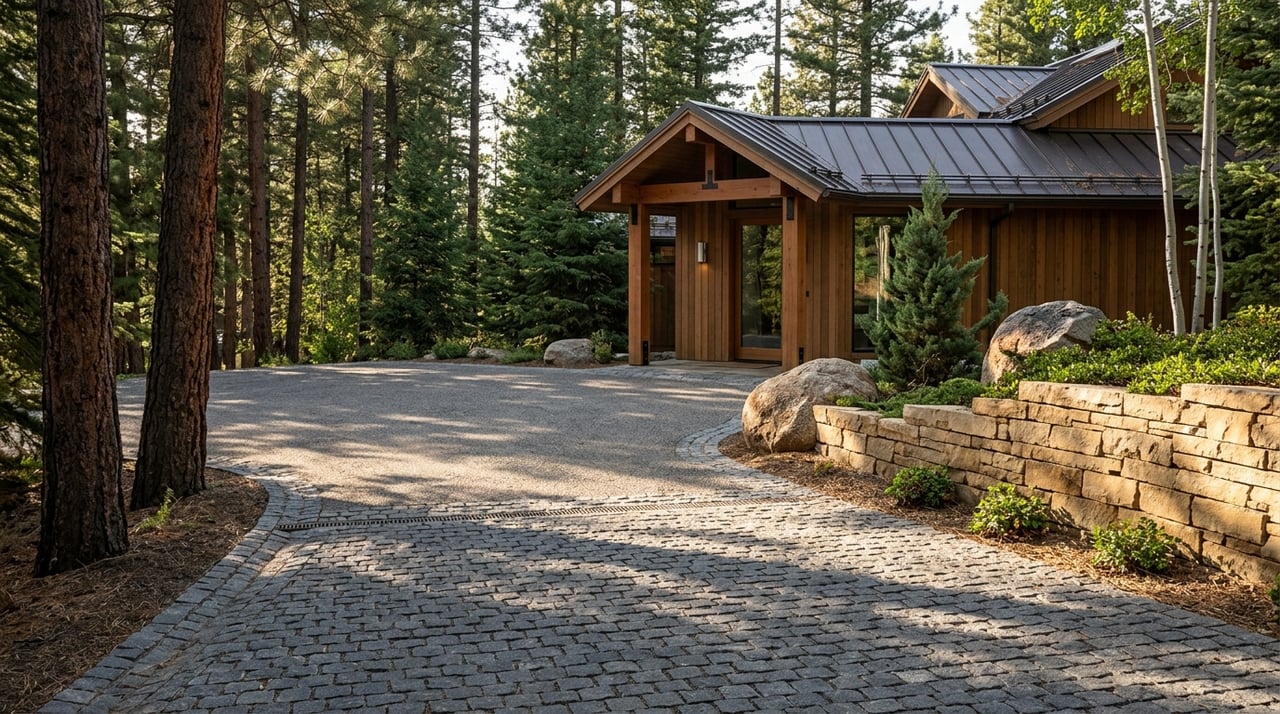
Jefferson County says new homes and new access points to county-maintained roads require an access permit. Driveway work near public roads can also trigger access review. If you are planning a new build or relocating a driveway, this should be part of your feasibility review.
Earthwork can trigger more review than many buyers expect. Site grading, excavation, trail building, or road building may require a land-disturbance permit. Grading over one-half acre generally triggers a grading permit, and work over one acre can trigger a state stormwater permit.
Retaining walls can also add cost and complexity. Jefferson County says retaining walls over three feet must be engineered, and walls between three and 12 feet require a miscellaneous permit. The county also says grading or erosion-control work must stay at least seven feet from property lines and 25 feet from off-site occupied structures.
Terrain and access questions
- Does the property have straightforward legal and physical access?
- Would a new driveway or road connection need county review?
- How much grading might be needed for your plans?
- Would retaining walls be required, and if so, how extensive?
- Are there setback limits that could affect site design?
Look for Geologic and Wildfire Constraints
In the foothills, due diligence should include more than just views and privacy. Jefferson County can require a geologic or soils investigation report if a parcel has geologic hazards or steep slopes. The county also maps slope-failure hazards and dipping-bedrock areas.
Wildfire planning is another key factor. Jefferson County says new homes in the mountains must complete defensible-space requirements, and county staff review access, water, wastewater, and fire protection during permitting. Soda Creek’s HOA also describes the area as wildfire-prone and says it has worked with Evergreen Fire Rescue and the State Forest Service on a community wildfire protection plan.
If you are planning new construction or major improvements, timing matters. Jefferson County says updated wildfire regulations approved in 2026 will apply to permits filed on or after July 1, 2026.
Questions about site risk
- Are there mapped geologic hazards or steep-slope concerns on the parcel?
- Would the county likely require geologic or soils reports?
- What defensible-space work may be needed?
- Could future wildfire code updates affect your building timeline or budget?
Ask About Barns, Fencing, and Outbuildings
Many acreage buyers picture adding a barn, fencing a pasture, or building a detached structure. In Soda Creek, you will want to check both county standards and HOA review before you make plans.
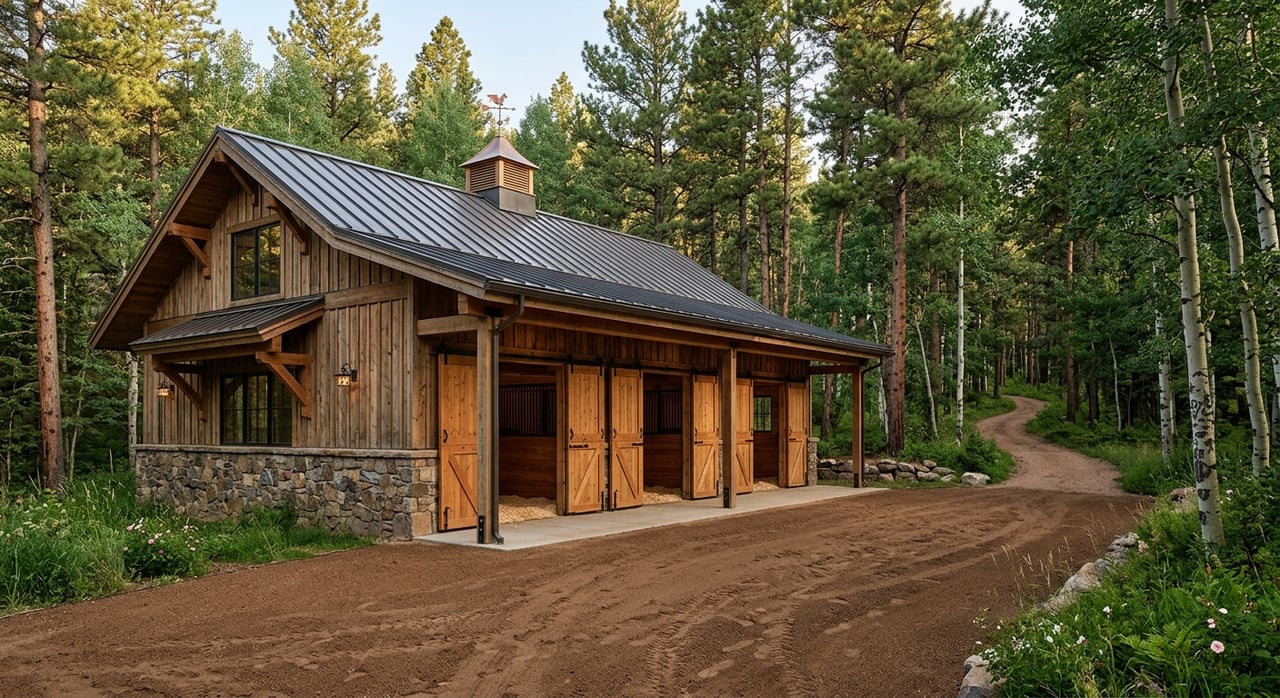
Jefferson County says barns require a building permit, and in residential districts the house generally must already exist before a barn can be added. Agricultural districts are more flexible, but setbacks and accessory square footage rules still apply. That means timing, zoning, and parcel layout all matter.
For fencing, the county says fence permits are no longer required in unincorporated Jefferson County, but gates do require a miscellaneous permit, and all fences and gates must comply with zoning. Soda Creek HOA separately says exterior changes usually need ACC approval, so county rules are only part of the picture.
Improvement questions to ask
- Can you add a barn under the parcel’s zoning?
- Does the house need to exist before a barn is permitted?
- What setback or size limits apply to outbuildings?
- Will fencing or gates need county review, HOA review, or both?
Focus on Usable Acreage
When buyers compare acreage properties, it is easy to fixate on the total number of acres. In Soda Creek, value often follows usability more than raw size. The neighborhood’s own materials emphasize privacy, horse-friendliness, woods, meadows, and private trails, which suggests that setting and practical use are central value drivers.
In real terms, flatter building areas, easier driveway access, fewer retaining-wall needs, and a clearer permit path are often more useful than extra acreage with major constraints. A well-sited 5-acre parcel may fit your lifestyle better than a much larger property that is harder to access or improve.
The right purchase usually comes down to a few simple questions. Can you use the land the way you want? Can you improve it without major surprises? And does the property support your long-term plans for horses, guests, privacy, or recreation?
Buying acreage in Soda Creek can be incredibly rewarding when the property matches both your vision and the realities of county and HOA rules. If you want experienced guidance on evaluating acreage, equestrian fit, and neighborhood-specific nuances in Evergreen, connect with Lark Stewart.
FAQs
What should you verify first when buying acreage in Soda Creek?
- Start with the exact parcel, including zoning, permit history, tax information, nearby development applications, and any private covenants that may limit use.
Can you keep horses on every acreage property in Soda Creek?
- No. Horse use depends on the parcel’s zoning, the amount of open lot area, and any HOA or covenant restrictions that apply in addition to county rules.
Are Soda Creek trails public or private?
- Soda Creek’s trail guide says the community’s 14 trails are for property owners and guests only, and motorized vehicles are prohibited.
What water and septic issues matter most for Soda Creek acreage buyers?
- You should verify the OWTS permit status, the number of bedrooms the septic system supports, the well permit terms, and whether any augmentation obligations affect your planned use.
Can a guest house or guest suite be restricted in Soda Creek?
- Yes. The HOA says a guest space with a kitchen may violate the community’s state-monitored water augmentation plan and or declaration of covenants.
Do barns and fences require review for Soda Creek properties?
- Often, yes. Jefferson County says barns require a building permit, gates require a miscellaneous permit, and Soda Creek HOA says exterior changes usually need ACC approval.
Why does usable land matter more than total acreage in Soda Creek?
- Usable land can affect access, building ease, horse setup, grading costs, retaining-wall needs, and the overall path to improving the property.