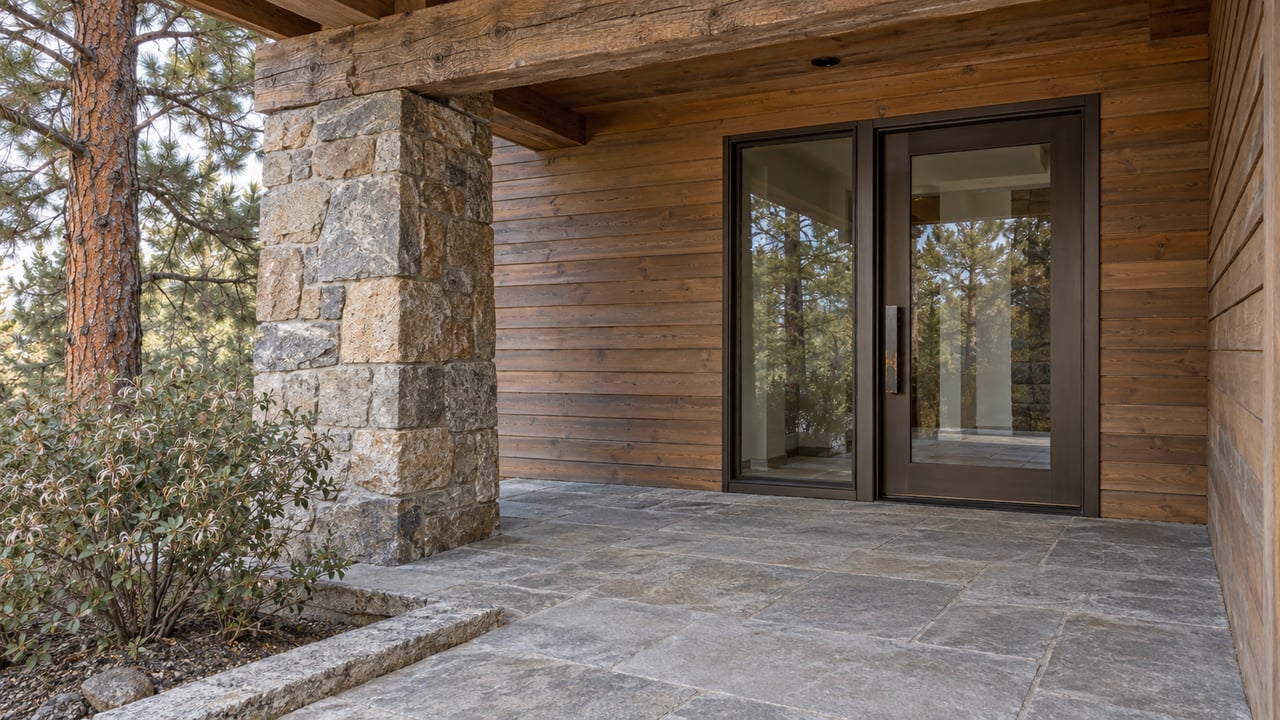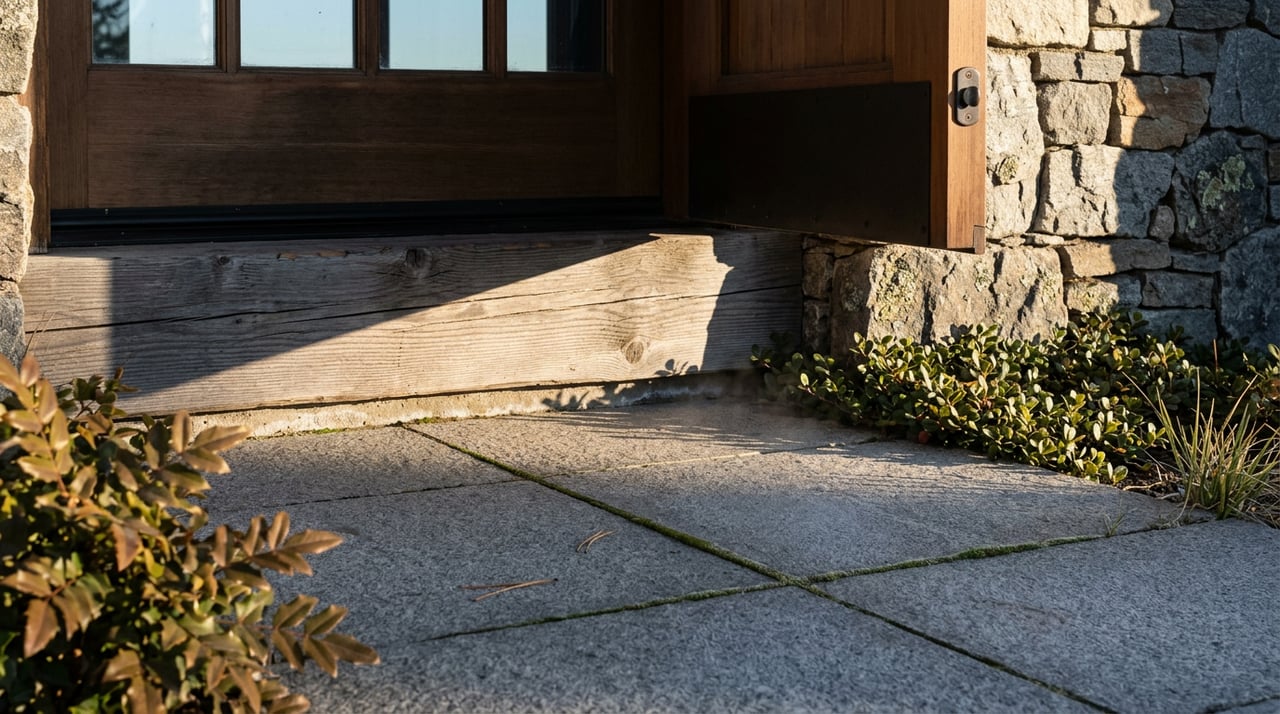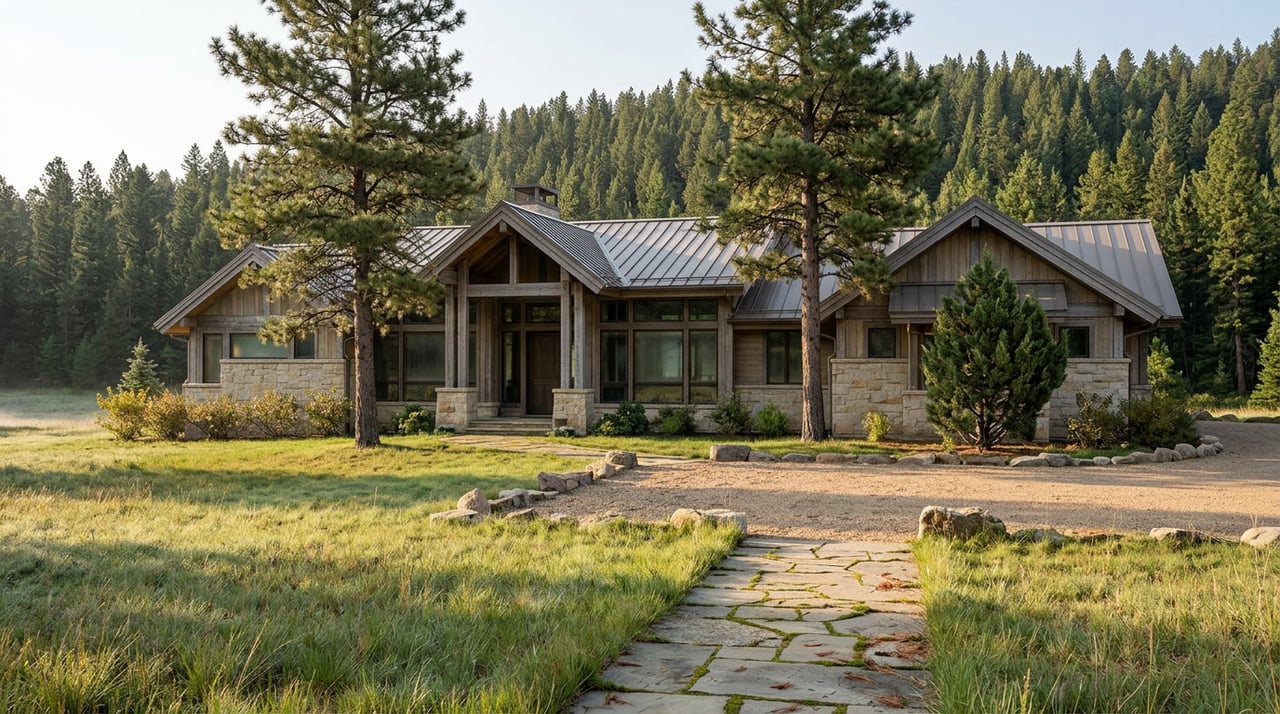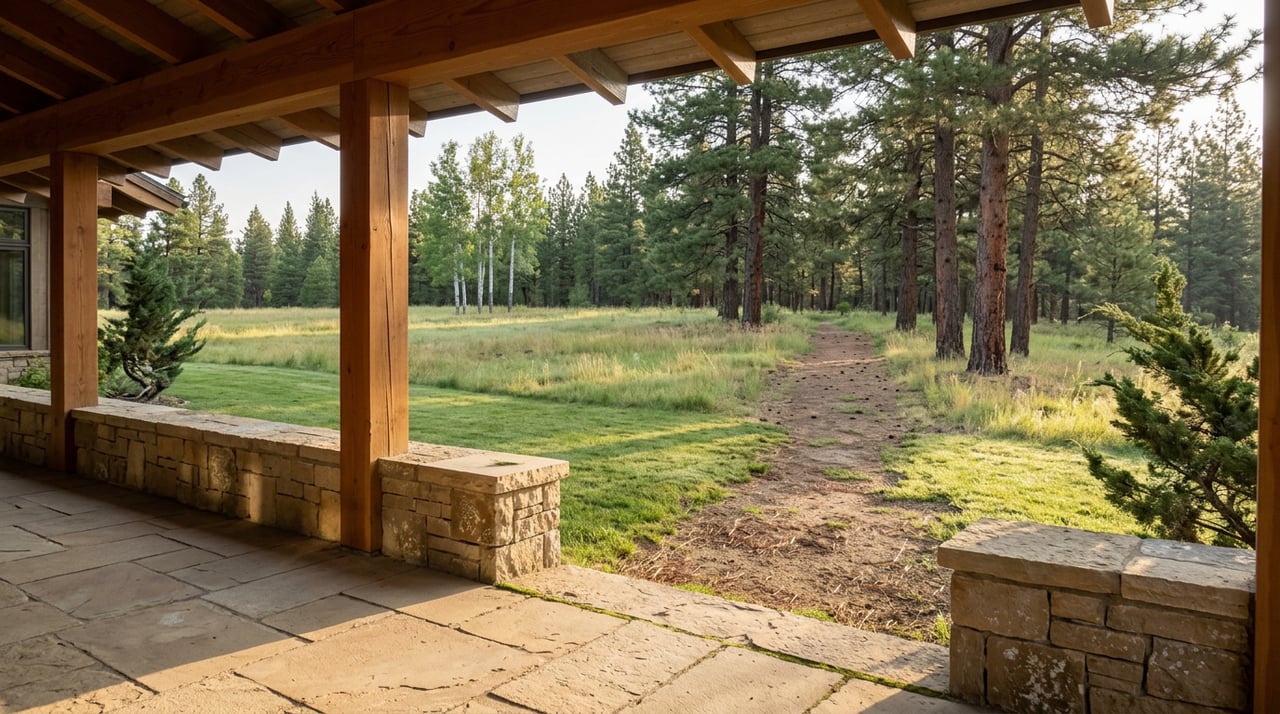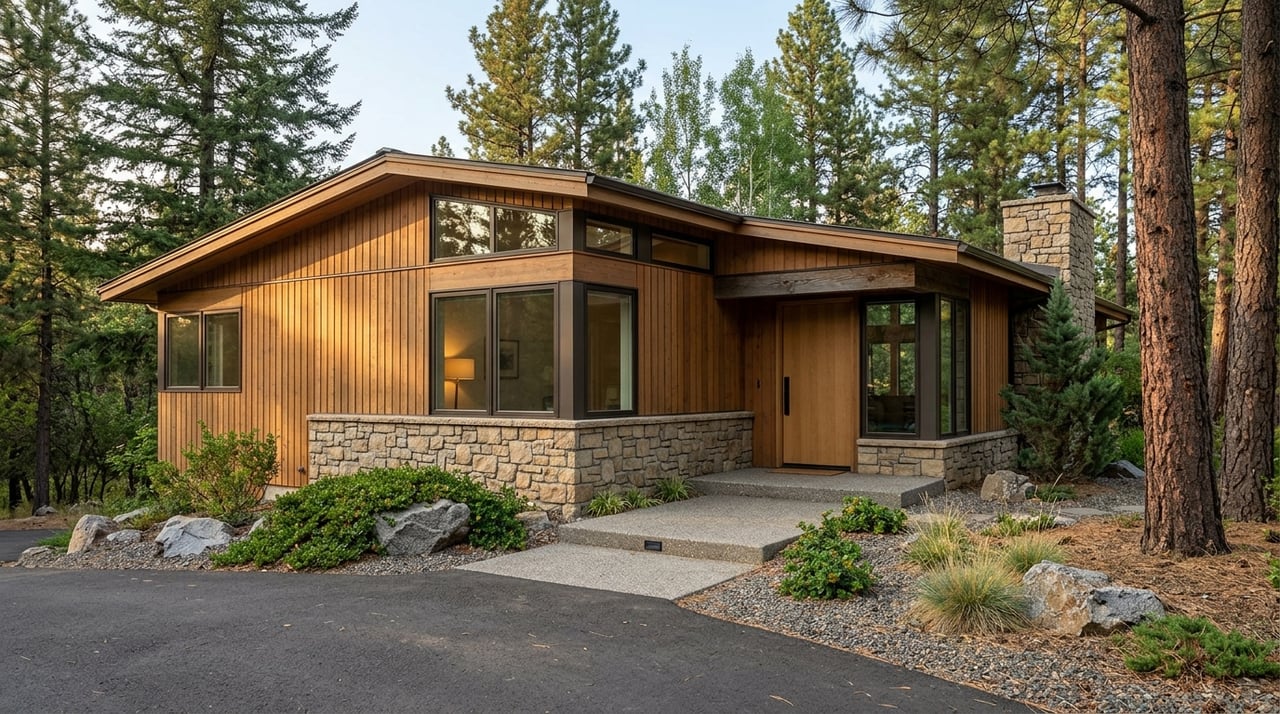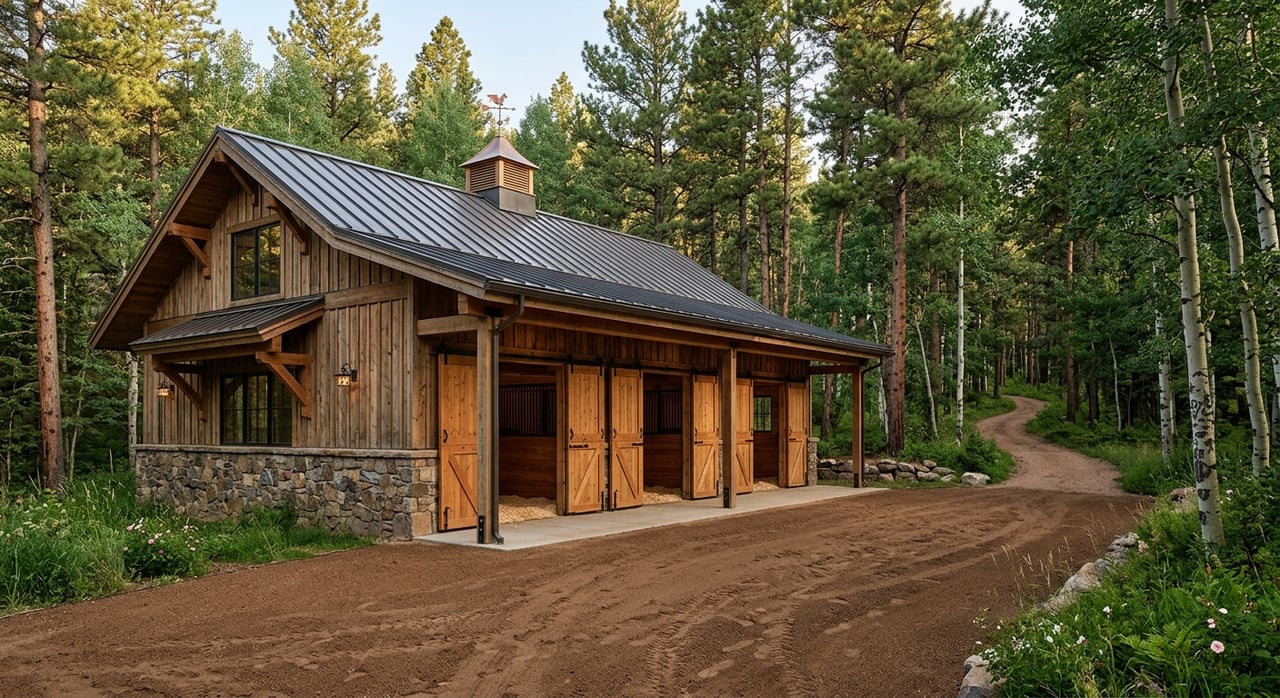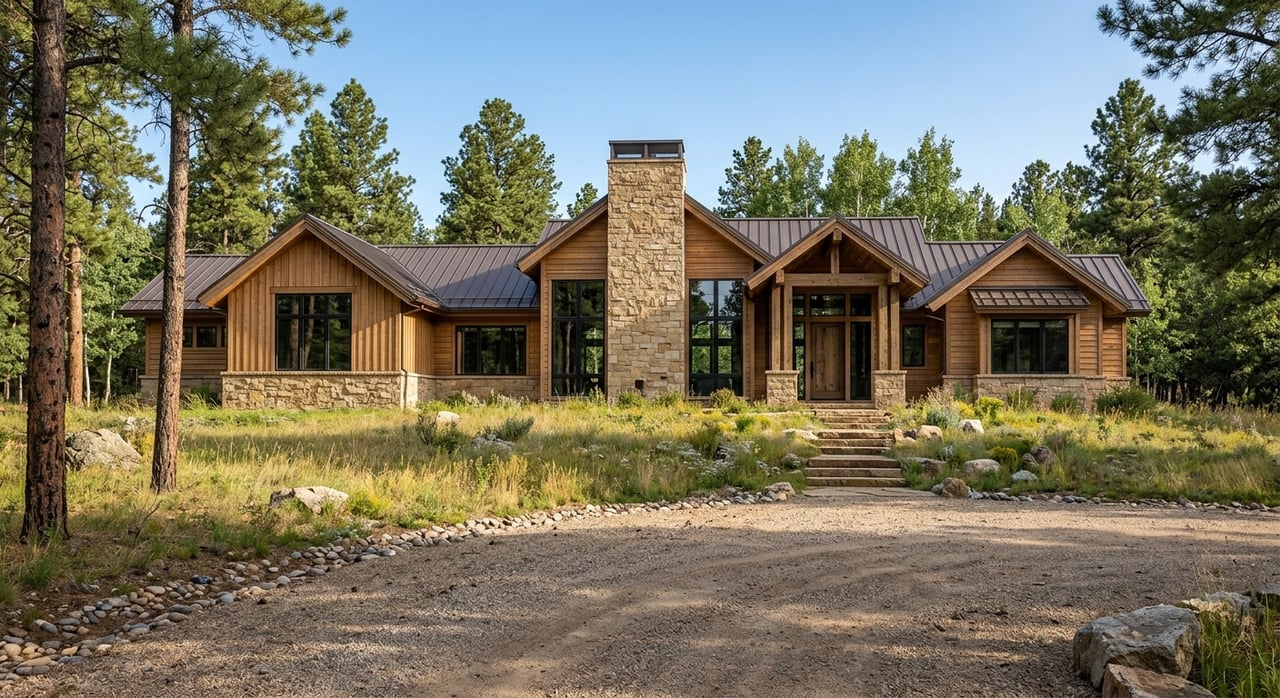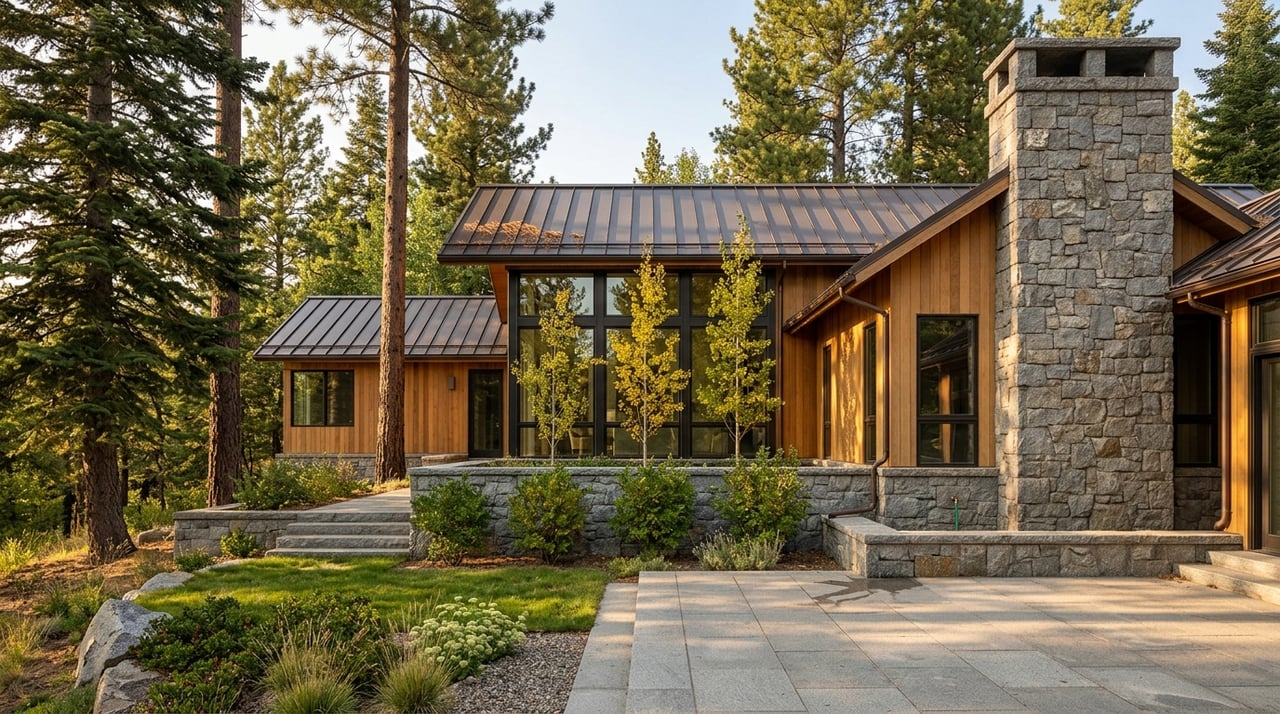
If your Evergreen home sits tucked behind pines, at the end of a long drive, or in one of the area’s lesser-known foothill enclaves, you already know its appeal is not obvious from the road. That privacy can be a major asset, but it also means buyers need more context, more confidence, and more proof before they act. If you are thinking about selling a secluded home in Hidden Pockets Evergreen, this guide will show you how pricing, preparation, and presentation work together to create a stronger launch. Let’s dive in.
Why secluded Evergreen homes need a different strategy
A secluded property does not compete the same way as a home in a more visible, easy-to-tour neighborhood. Buyers may be drawn to the quiet setting, acreage, views, or forested surroundings, but they also look closely at how the property functions day to day.
In Evergreen, broad market averages only tell part of the story. Realtor.com reports 248 homes for sale in the 80439 market, a median listing price of $969,000, a 36-day median time on market, and an average sale at about 1.35% below asking in March 2026. That same data also shows meaningful differences between nearby micro-markets, including North Evergreen at $1.01 million, Hiwan Hills at $799,000, Evergreen Heights and Estates at $864,000, and North Turkey Creek at $1,222,500.
That matters because a hidden-pocket property should not be priced by using only a broad Evergreen headline. In a selective, price-sensitive market, your home needs to be measured against the closest and most relevant comparable properties, with careful adjustments for acreage, access, condition, utility systems, and location within its specific pocket.
Pocket-level pricing matters more now
Jefferson County data from the Colorado Association of REALTORS® shows a March 2026 single-family median sales price of $721,500, 34 days on market, a 98.9% year-to-date percent of list price received, and 1.9 months of inventory. In plain terms, homes are still selling, but buyers are paying attention and not every listing moves the same way.
For secluded homes, overpricing can be especially costly. Privacy can narrow the buyer pool, and if the first wave of buyers feels uncertain about access, well and septic details, or wildfire mitigation, an ambitious price can make that hesitation even stronger.
A better approach is pocket-level pricing. That means building value from the most comparable nearby homes, then adjusting for the features buyers actually weigh in secluded foothill settings, including road quality, driveway usability, utility setup, and how easily the home can be shown and understood.
What buyers examine in hidden pockets
When a buyer tours a secluded Evergreen home, they are usually looking beyond finishes and square footage. Colorado’s residential Seller’s Property Disclosure form specifically asks about access problems, roads or driveways used by others, public or county road frontage, encroachments, boundary disputes, shared driveways, unrecorded easements, and parking or access limitations.
The same disclosure form also directs buyers to confirm legal access, zoning, water source, sewer, utilities, and environmental or geologic conditions. For homes on acreage or private roads, those details often shape buyer confidence just as much as the kitchen, primary suite, or outdoor spaces.
This is why secluded homes sell on both emotion and function. A buyer may love the setting right away, but they will still want reassurance that the property works well year-round and that the facts behind the lifestyle are clear.
Wildfire readiness is part of the value story
Wildfire risk is a real market factor in Evergreen and the surrounding foothills. Jefferson County states that more than two-thirds of the county lies within a Wildfire Hazard Overlay District, and the county ranks first in Colorado for the number of homes in high and extreme wildfire risk areas. The county also identifies Evergreen and Conifer among the highest-risk areas.
Jefferson County says it updated defensible space and structure-hardening requirements in 2026 to align with Colorado’s Wildfire Resiliency Code. For sellers, that means wildfire readiness is not just a maintenance item. It is part of how buyers evaluate the property’s condition, safety, and long-term ownership experience.
If your home has completed mitigation work or shows strong defensible-space planning, that information should be organized clearly before the listing goes live. In many secluded settings, proof of preparation helps reduce buyer hesitation.
Seller prep for mountain and acreage homes
For hidden-pocket homes, preparation should start earlier than many sellers expect. Colorado’s disclosure form requires sellers to answer based on their current actual knowledge and to promptly disclose any newly discovered adverse material fact after completing the form.
The form also asks about items that often come up in secluded foothill properties, including well permits, drilling records, shared-well agreements, HOA or metropolitan district information, prior insurance claims, structural or engineering reports, environmental issues, and radon testing or mitigation. Gathering these materials early can make your sale feel more organized and credible.
A strong prep plan often includes:
- Reviewing access, easement, and driveway details
- Confirming visible addressing and clear arrival instructions
- Locating well, septic, and utility records
- Organizing any available structural, engineering, or mitigation documentation
- Preparing accurate disclosure answers based on current knowledge
- Identifying any new issues before the home is launched to the market
When buyers see a property package that answers likely questions up front, the home feels easier to pursue.
Well and septic records should be handled early
If your property uses a private well, Jefferson County notes that the homeowner is responsible for assuring a safe water supply. The county recommends testing well water and says typical testing should include bacteria, nitrate, and fluoride.
If your property is on septic, Jefferson County regulates onsite wastewater treatment systems and recommends regular inspection and pumping. The county also warns against driving or parking on the leach field and notes that septic records and tank locations can be accessed through its citizen portal.
Some local septic policies can also require well-water test results before a construction, repair, or use-transfer-of-title permit is issued. Even when a property is outside a specific policy area, the bigger takeaway is simple: secluded sellers should verify well and septic documentation before going active, not while a contract is underway.
Access can shape both showings and offers
One of the most overlooked parts of selling a secluded home is logistics. Jefferson County asks owners to make sure a property address is visible and that gates are open or gate codes are provided before septic inspections. That same principle applies to showings, photography, appraisals, and buyer visits.
If a home is difficult to find, hard to enter, or confusing to navigate, you create friction before the buyer even reaches the front door. In hidden pockets near Evergreen, a smooth access plan is part of effective marketing.
That may include:
- Clear drive-up directions
- Gate instructions or codes
- Turnaround and parking information
- Notes about shared drives or private roads
- A showing schedule that respects both security and convenience
For the right buyer, privacy is a benefit. But privacy should never feel like uncertainty.
Marketing a secluded home takes visual proof
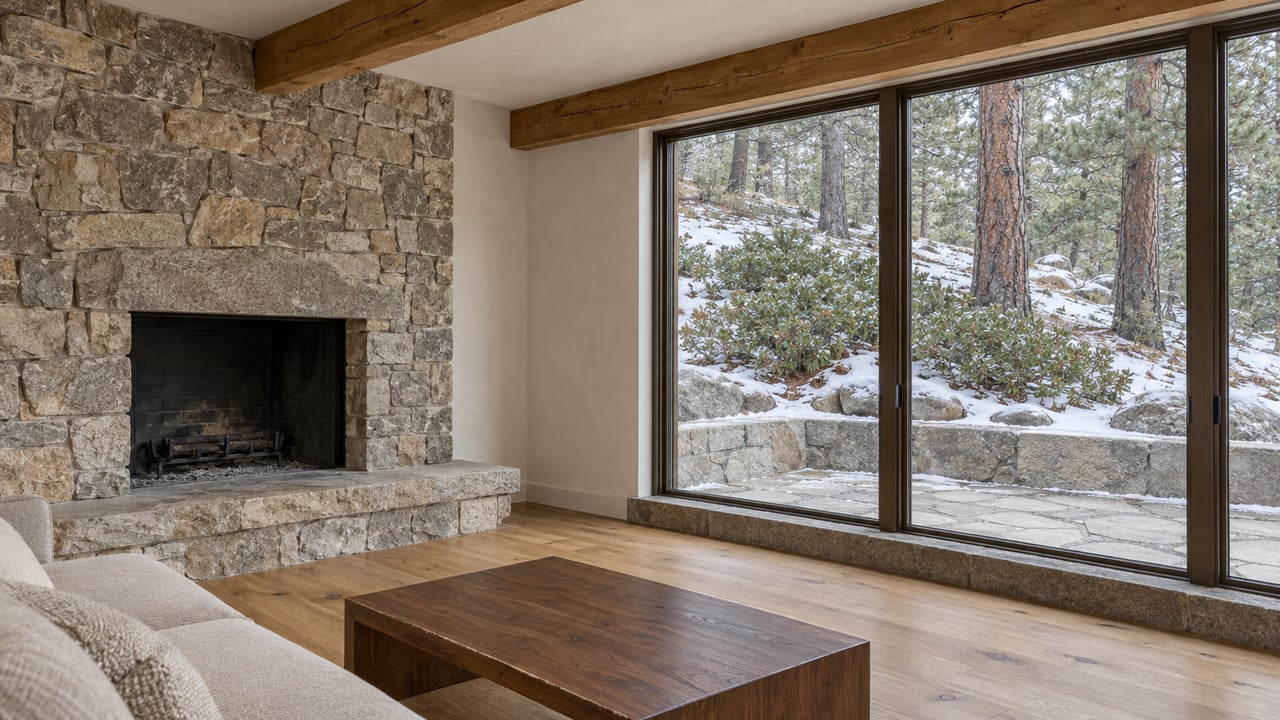
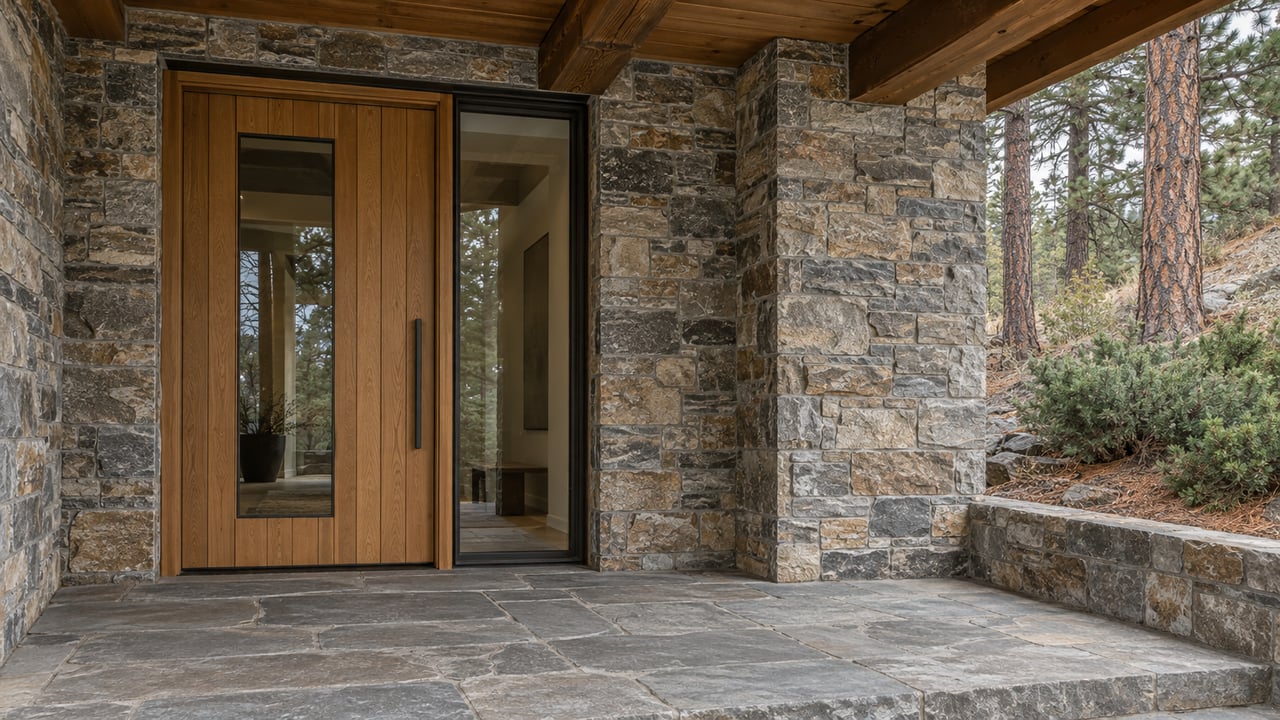
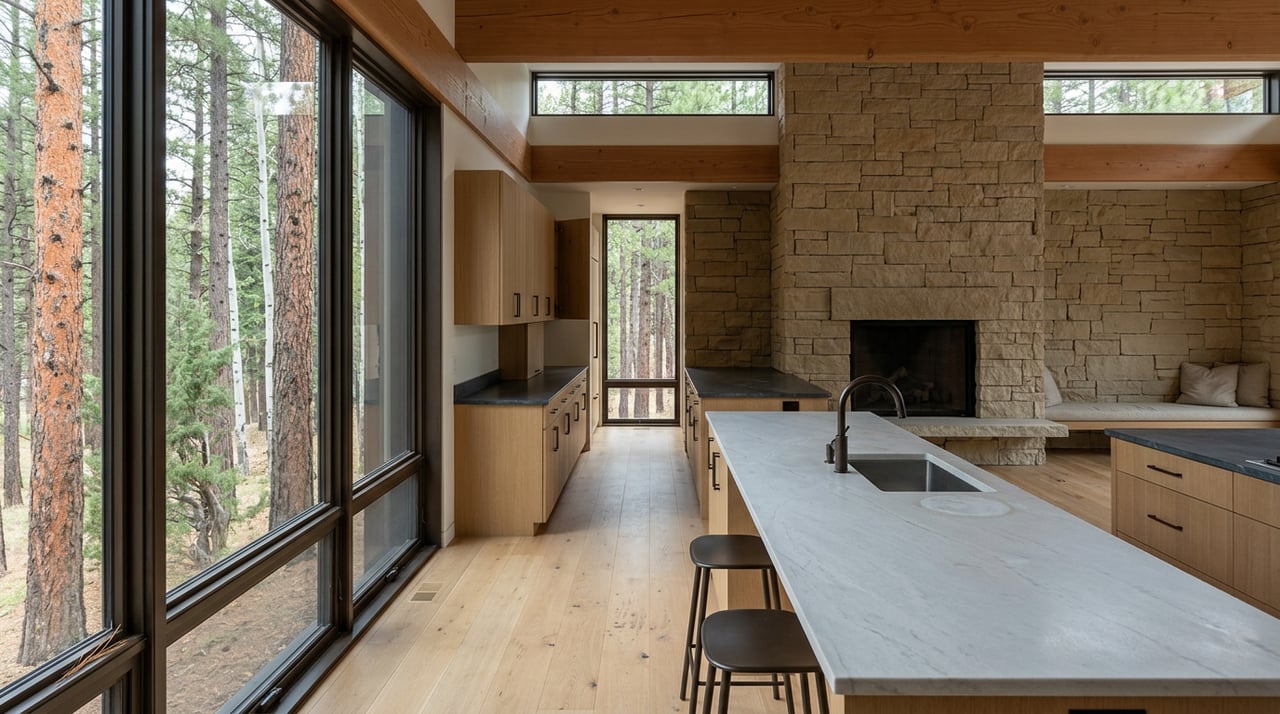
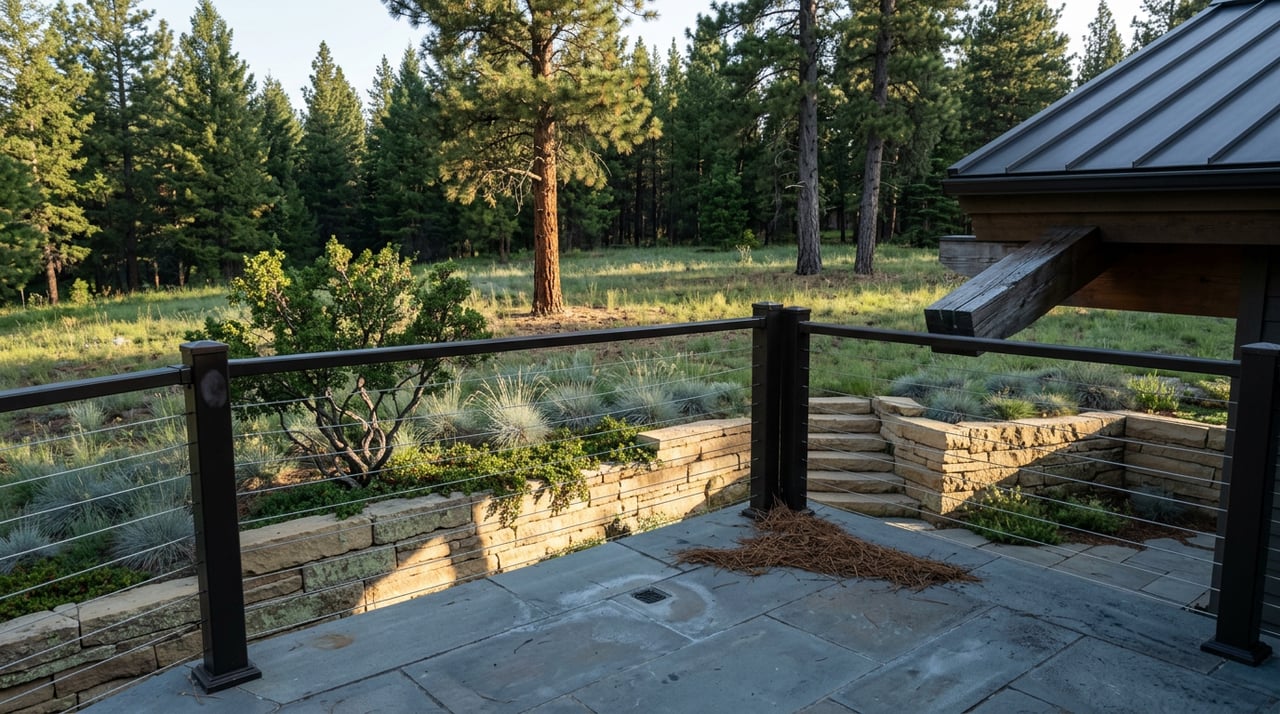
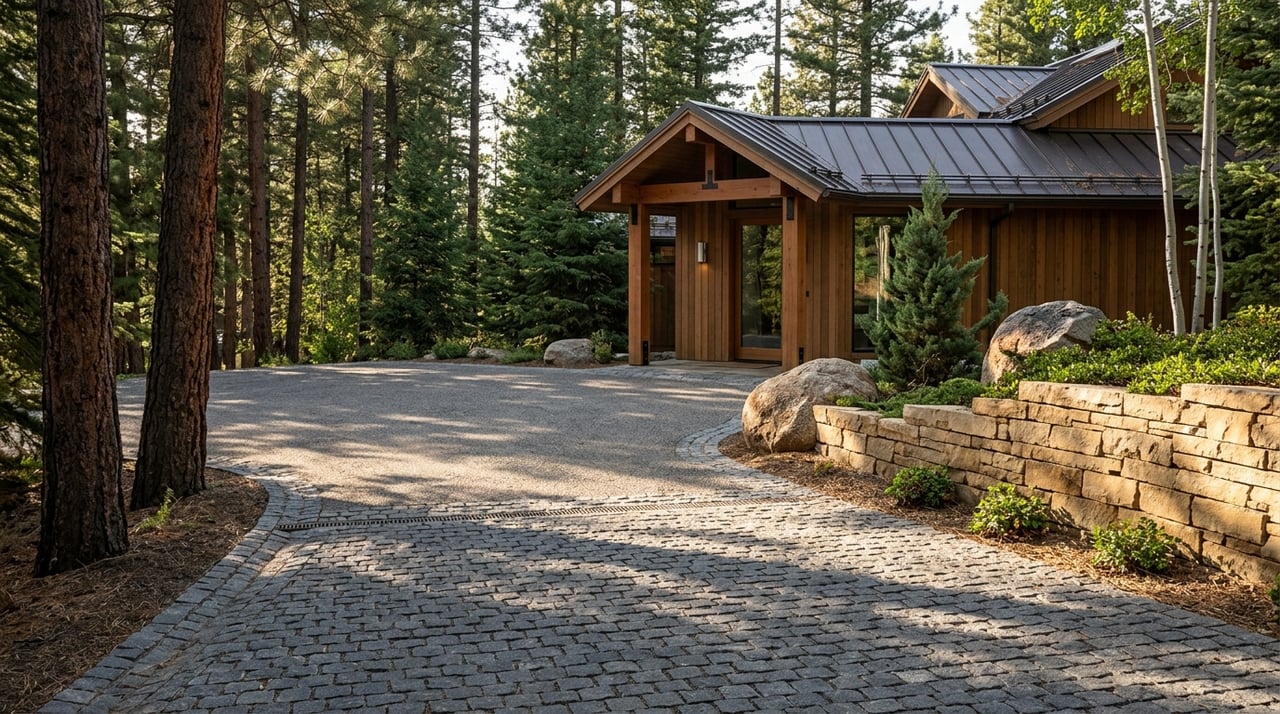
A hidden property usually needs stronger storytelling than a home in a highly visible neighborhood. Buyers often need help understanding how the home sits on the land, how the drive approaches the property, where the views open up, and how usable the site feels.
That is why a data-driven launch for a secluded Evergreen listing benefits from a more complete presentation package. Based on the market conditions and disclosure needs in the research, strong visual and practical materials can reduce buyer friction before the first showing.
Useful launch materials may include:
- Professional photography
- Drone imagery
- Aerial or site-map views
- Floor plans
- Clear notes on road access and gate logistics
- Well and septic status details
- Wildfire mitigation information when available
For luxury foothill properties, this concierge approach helps buyers see not just the home, but the full ownership experience.
Broad exposure vs private sale
Some secluded sellers value discretion and may wonder whether an off-market or private-sale path is the better fit. Realtor.com notes that off-market or private-sale options exist, but they come with a smaller buyer pool.
That tradeoff matters in a niche segment. If your goal is maximum privacy, a more limited launch may support that. If your goal is to maximize price in a thinner buyer segment, broader exposure is often the safer default.
The right choice depends on your priorities, the property’s uniqueness, and the depth of likely demand in that specific pocket. In either case, the home still needs disciplined pricing and a strong due-diligence package.
The Hidden Pockets advantage
The foothills near Evergreen are full of special places that many buyers would never discover on their own. These hidden pockets can offer remarkable privacy, dramatic settings, and a sense of retreat that is hard to duplicate.
That also means selling in these enclaves requires a local understanding that goes beyond generic market stats. You need a strategy that accounts for the exact pocket, the realistic buyer pool, and the details that shape confidence from the first inquiry to the final negotiation.
For many secluded sellers, the best results come from treating privacy as an asset that must be packaged with proof. Proof of access. Proof of utility function. Proof of mitigation. And proof that the price aligns with the home’s true market pocket.
If you are considering selling a secluded Evergreen property, a boutique, principal-led approach can make a meaningful difference. To request a confidential home valuation and talk through the hidden enclaves that buyers often miss, connect with Lark Stewart.
FAQs
What makes a secluded Evergreen home harder to price?
- Secluded homes often need pricing based on the closest micro-market and adjusted for acreage, access, condition, utility systems, and buyer demand within that specific pocket.
What should sellers disclose for a hidden-pocket Evergreen property?
- Colorado’s disclosure form asks about access issues, easements, shared driveways, boundary concerns, water source, sewer, utilities, environmental conditions, and other property facts based on the seller’s current actual knowledge.
Why do well and septic records matter when selling in Evergreen’s foothills?
- Buyers often want early clarity on water supply and onsite wastewater systems, and Jefferson County recommends well testing and provides septic record access, which can help reduce delays during a sale.
How does wildfire risk affect selling a secluded home in Evergreen?
- Wildfire readiness can influence buyer confidence because Jefferson County identifies Evergreen among its highest-risk areas, making mitigation and defensible-space information important parts of the property story.
Should you sell a secluded Evergreen home privately or publicly?
- A private-sale path may offer more discretion, while broader market exposure may reach more qualified buyers, so the better option depends on your goals and the likely demand for your home’s specific location and features.