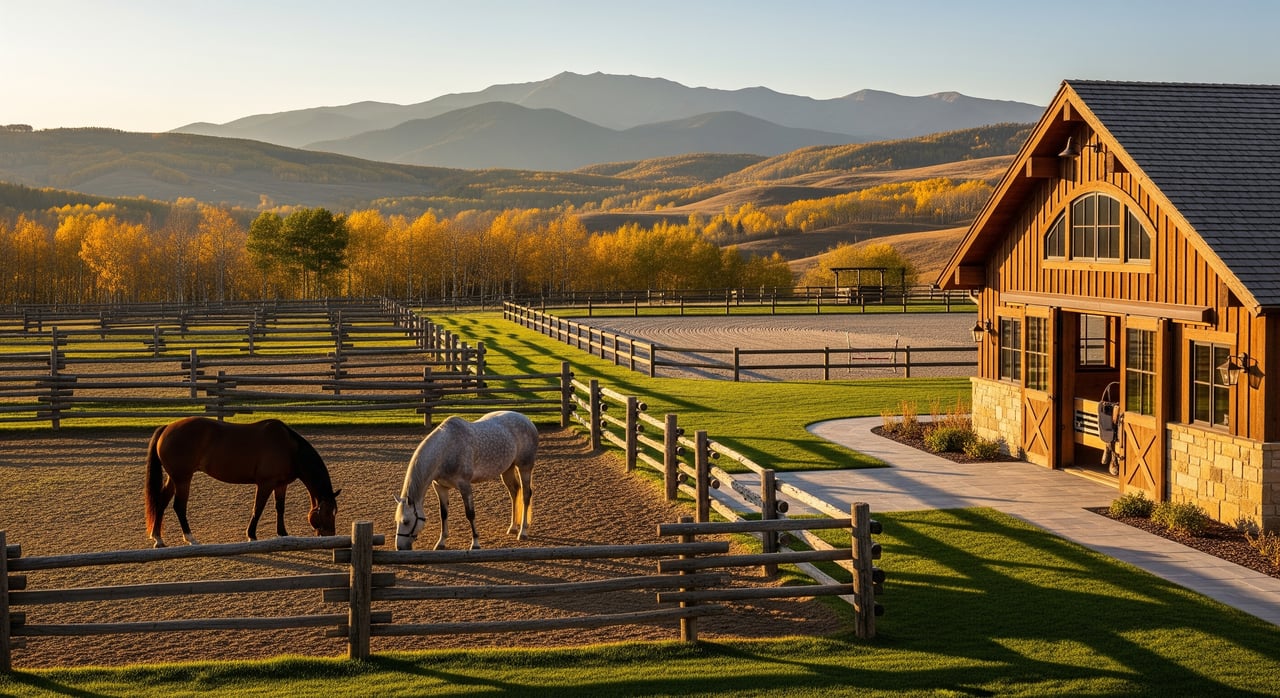
Is Soda Creek a fit for your horses, your riding style, and your long‑term plans? Choosing in the foothills is not like buying a flat pasture in the plains. Parcels can vary by slope, water, and rules that directly affect daily horse care. In this guide, you’ll get a clear, Soda Creek–specific checklist that covers trails, barns, zoning, water rights, utilities, and costs so you can buy with confidence. Let’s dive in.
Why Soda Creek needs parcel checks
Soda Creek sits within Jefferson County, where terrain, vegetation, and drainage can shift over short distances. Two neighboring parcels can differ on slope, rock outcrops, and how much land is truly usable for turnout or an arena. That means you should verify details at the parcel level before you fall in love with a view.
Colorado’s water rights and county land‑use rules shape what you can build and how you keep horses. Wells, irrigation ditches, manure rules, and permits for barns or arenas are legal issues as much as practical ones. Plan to research zoning, private covenants, water source, septic, and any open space adjacency for each property you consider.
Trail access and riding reality
Map nearby equestrian trails
Start with a radius search for public open space and trailheads within 5 to 20 minutes. Confirm horse permission for each trail since some routes allow only hikers or bikes. Note parking capacity, turnaround space, and whether your trailer can safely navigate narrow or seasonal roads.
Verify legal access, not assumptions
Beautiful paths across neighboring land may be private. Ask for recorded trail easements, HOA trail maps, or written access descriptions tied to the deed. Contact the land manager for nearby public land to confirm permitted uses, seasonal closures, and footing conditions that affect safety and rideability.
Plan for seasonal conditions
Expect spring mud, sandy stretches, and periodic closures. These conditions influence where and when you ride, plus how often you haul out to other trail systems. If endurance rides or long loops matter to you, evaluate connections to larger networks rather than just local loops.
Barns, pasture, and layouts
Focus on usable acres
Total acreage can mislead in foothills. Walk the land and discount steep slopes, rock outcrops, riparian buffers, and flood‑prone zones. As a general yardstick, many owners plan for roughly 1 to 2 acres per horse for turnout, with more preferred for rotational grazing. Local forage productivity and winter conditions will affect how much hay you need and how you manage pastures.
Choose a barn type that fits your program
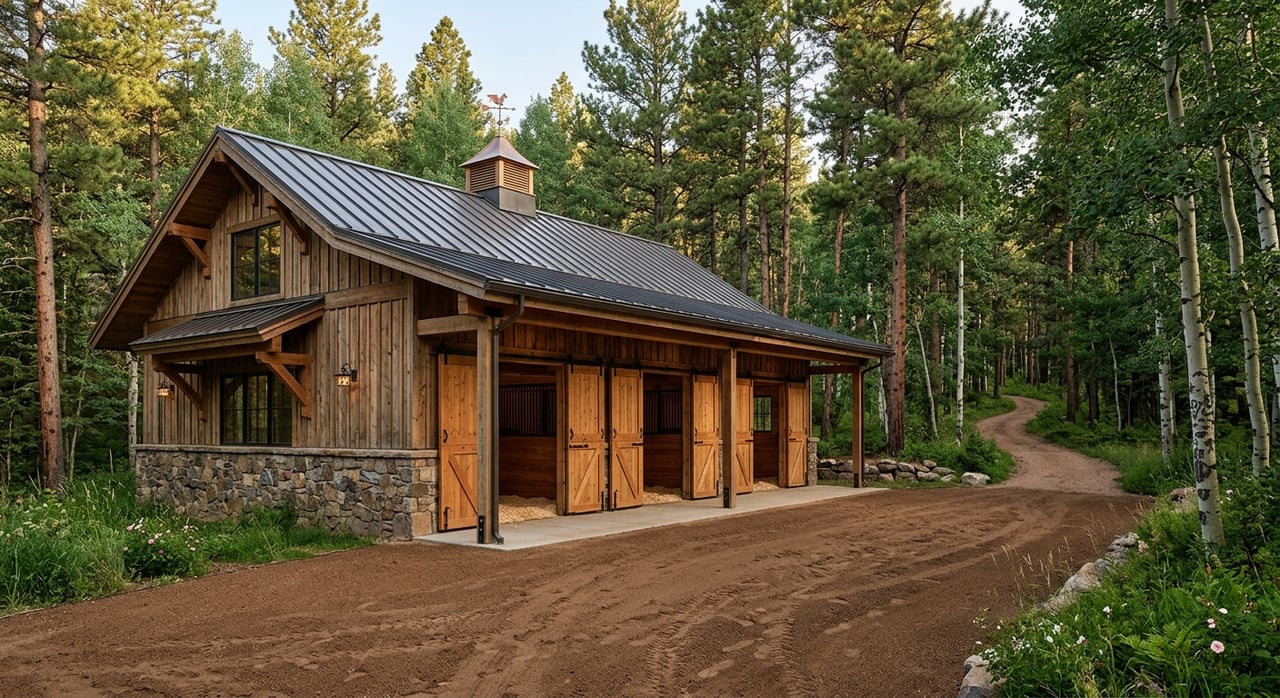
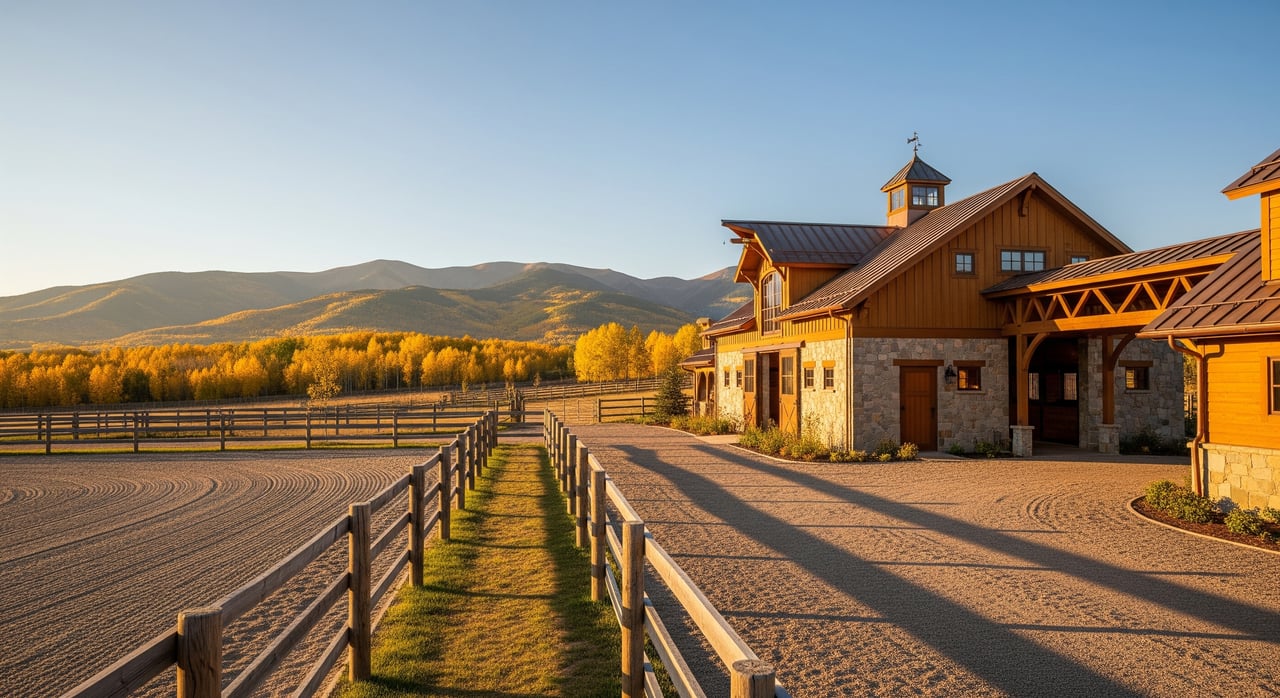
Common layouts include shed‑row, center‑aisle, loafing sheds, and pole or steel buildings. Shed‑row barns are simple and can work well with sheltered placement. Center‑aisle barns offer better workflow when you manage multiple horses and gear. Loafing sheds are economical for shelter and turnout, while pole or steel structures are cost‑effective for storage or covered space.
Look for safe stall doors and latches, smooth surfaces, and ventilation that keeps ammonia down in winter. Typical stall sizes are 10x10, 10x12, or 12x12, and center‑aisle widths of 10 to 12 feet help with safe handling and equipment. Separate tack, feed, and hay storage for safety and fire risk reduction.
Water, fencing, and turnout essentials
Reliable water delivery is a daily quality‑of‑life factor. Frost‑proof hydrants and automatic waterers near paddocks reduce winter work and ice risk. Inspect fencing type and condition, post stability, and visibility for horses. Board, pipe, electric, or safe woven wire are common options. Walk turnout areas to evaluate size, shade, wind protection, and hazards like gullies or holes.
Arena design that works year‑round
Check footing, drainage, base construction, and perimeter fencing. Identify how melt or summer storms move water across the site. If an indoor arena is part of your plan, know that it typically involves permitting, insurance considerations, and potentially increased power needs for lighting.
Regulatory, utilities, and environmental checks
Zoning and permits
Confirm Jefferson County zoning for each parcel. Verify the permitted number of animals, allowed structures, setbacks, and whether your intended use, such as a small boarding or lesson program, is allowed. Ask for documentation on existing barns, sheds, and arenas to ensure they were permitted and finaled.
Water rights and septic capacity
Clarify the water source: municipal, private well, or irrigation ditch or stream rights. In Colorado, water rights are appropriative and can be separate property interests. Request the well permit and well log, and confirm any irrigation shares. Review septic permits, recent inspections, and capacity if you anticipate higher occupancy or a caretaker unit.
Floodplain, wildfire, and soils
Pull flood maps to spot any flood‑prone areas that could affect barn siting or arena foundations. Review wildfire risk and plan for defensible space and ignition‑resistant materials. Soil drainage, rockiness, and slope determine arena costs, pasture renovation effort, and erosion control. Identify any noxious weeds that may require ongoing management.
Services, access, and insurance
Check electrical capacity at the barn for heaters, lighting, and pumps. Confirm internet and cell coverage if you plan to use cameras, smart gates, or telemedicine with your vet. Understand manure disposal options and local nuisance rules. Ask insurers about coverage for horses on the property, liability related to trail access, and any wildfire‑related premium impacts.
HOA and private covenants
If the parcel is within an HOA or has recorded covenants, read them closely. Private rules can set fence types, animal counts, and architectural standards for barns. They can be more restrictive than county code, so factor them into your plan early.
On‑site buyer checklist
Use this condensed checklist during showings or when requesting disclosures. It helps you focus on the details that drive daily function and long‑term value.
Property basics
- Exact acreage and estimated usable acres excluding steep slopes, rock outcrops, creek buffers, and floodplain.
- Zoning designation and any recorded covenants or HOA rules affecting animals, fencing, and structures.
- Existing barns, arenas, or sheds and whether they were permitted.
Water and waste
- Water source and documentation: municipal, well permit and log, or irrigation shares.
- Septic permit, capacity, and most recent inspection.
- Manure storage area and removal or composting plan.
Structures and condition
- Barn type, structural integrity, ventilation, and fire safety.
- Stall count and sizes, safe hardware, tack and feed storage, hay storage.
- Arena surface, drainage, fencing, lighting, and any permits.
Pasture and fencing
- Fencing type, height, condition, and continuity around paddocks.
- Turnout sizes, shade and shelter placement, and visible hazards.
- Soil type and presence of noxious weeds.
Access and riding
- Nearest horse‑friendly trailheads, seasonal closures, and trailer parking.
- Any recorded trail easements or HOA trail access.
Utilities and services
- Electrical capacity at barn, dedicated circuits for water heaters.
- Internet and cell coverage quality.
- Distance and access time to large‑animal vets, emergency clinic, and farrier.
Risk and compliance
- FEMA floodplain status, any local flood history.
- Wildfire risk and defensible space needs.
- Local nuisance or animal‑unit rules and any past complaints.
Operations and business use
- Whether small boarding or lessons are allowed under zoning and covenants.
- Parking and traffic flow for client trailers.
- Neighborhood sensitivity to increased activity.
Costs and timeline
- Immediate repair or upgrade estimates for fencing, arena, water, and manure handling.
- Permit timelines for new structures in Jefferson County.
Closing due diligence
- Recent survey, easements, and recorded access.
- Copies of building, well, and septic permits or inspections.
- Seller disclosures on drainage, flooding, or animal complaints.
- Utility bills that show winter usage.
Cost and timeline planning
In foothill settings, site work often drives the budget. Rock excavation, drainage correction, and base prep for arenas can exceed initial estimates. Get contractor quotes early for fencing, water line trenching, arena construction, and manure pads so you can compare properties with real numbers rather than guesses.
Permits need lead time. Ask the county what is required for new barns, significant fencing, or an indoor arena, then build those timelines into your move‑in plan. If you intend to board or teach, discuss commercial licensing and insurance with your advisors before you submit offers.
Local resources to contact
- Jefferson County Assessor and GIS maps for parcel data
- Jefferson County Planning and Zoning for code, uses, and setbacks
- Jefferson County Open Space and Parks for trail maps and rules
- Jefferson County Public Health for septic and animal regulations
- Colorado Division of Water Resources for well permits and water rights
- FEMA Flood Map Service Center for floodplain status
- Colorado State Forest Service or your local fire district for wildfire mitigation guidance
- USDA NRCS Web Soil Survey for soil drainage and limitations
- Colorado State University Extension for pasture and manure management best practices
- American Association of Equine Practitioners for equine vet directories
How we help you buy well
A great equestrian property balances daily function, long‑term flexibility, and a setting you love. You should not have to guess about zoning, water rights, or trail access while you picture morning feed and an afternoon ride. With boutique, principal‑led service and deep foothills expertise, we help you verify the details that matter, coordinate the right local experts, and negotiate from a position of clarity.
If Soda Creek feels like home for you and your horses, let’s evaluate the best parcels together and craft a confident offer. Connect with Lark Stewart to start a tailored search and due diligence plan.
FAQs
What makes Soda Creek horse‑friendly in Jefferson County?
- Parcels can offer acreage, access to regional open space within a short drive, and the ability to design practical barn and turnout layouts when zoning and covenants align.
How many acres per horse should I plan for here?
- Many owners use 1 to 2 acres per horse as a minimum for turnout, with more preferred for rotational grazing, which varies with forage productivity and winter conditions.
How do I confirm trail access near Soda Creek?
- Identify nearby trailheads, confirm horse permission with the land manager, and request any recorded trail easements or HOA trail documents tied to the property.
Can I run a small boarding operation on a Soda Creek parcel?
- Only if zoning and any private covenants allow it, so verify permitted uses, parking, and traffic flow and expect higher insurance needs for commercial activity.
What should I look for in a barn on a foothills property?
- Safe stall hardware, ventilation, adequate stall sizes, separate tack and hay storage, frost‑proof water access, and a layout that supports daily workflow.
How does wildfire risk affect my purchase and insurance?
- Wildfire risk influences defensible space requirements, building materials, and insurance availability or premiums, so assess parcel risk and mitigation steps.