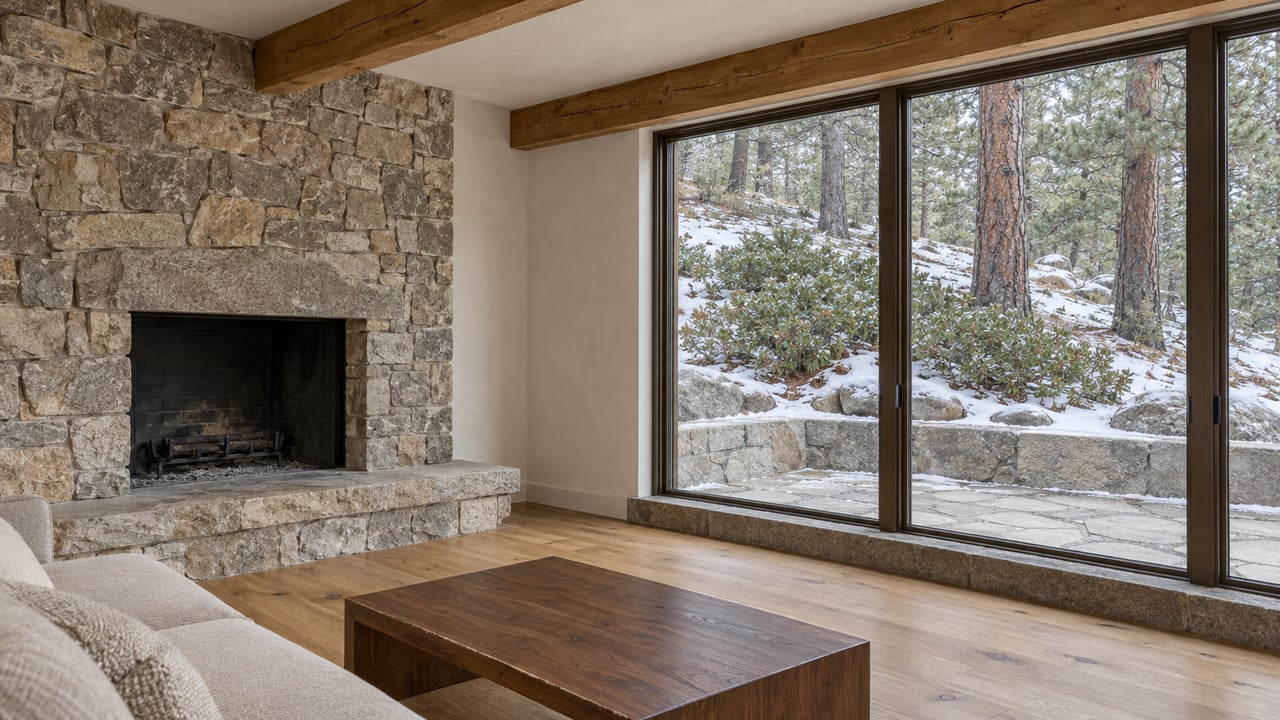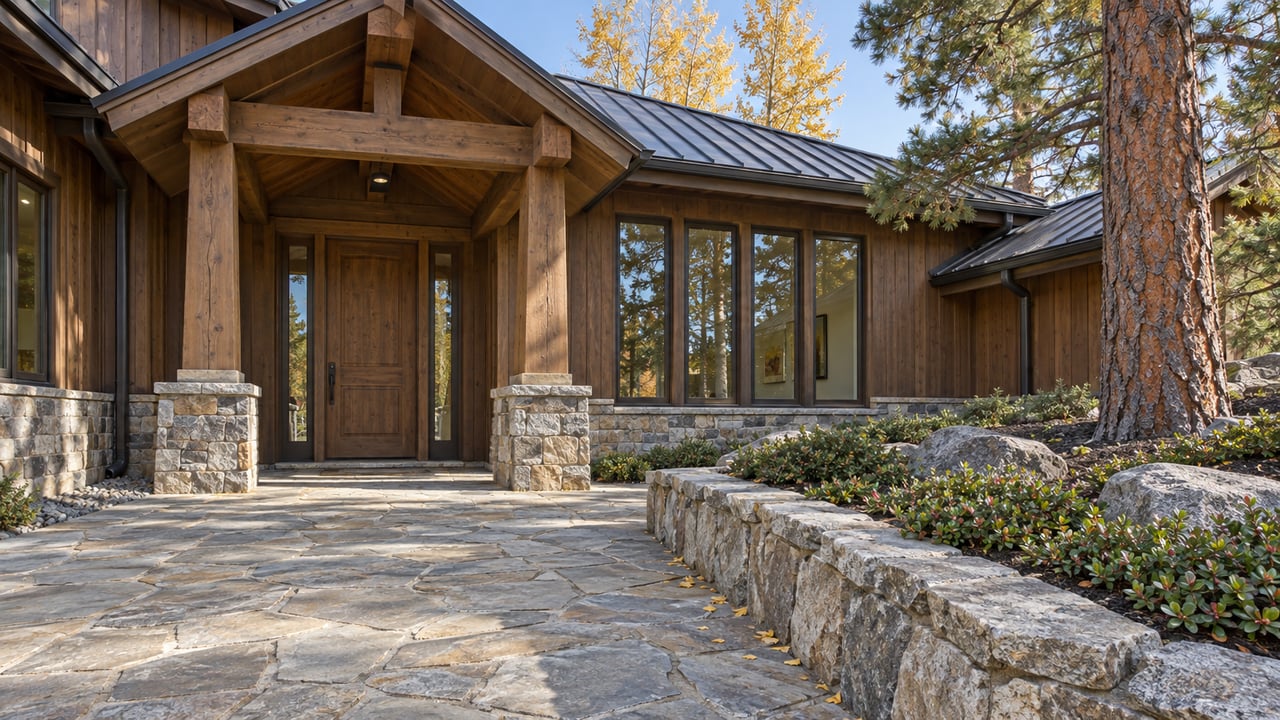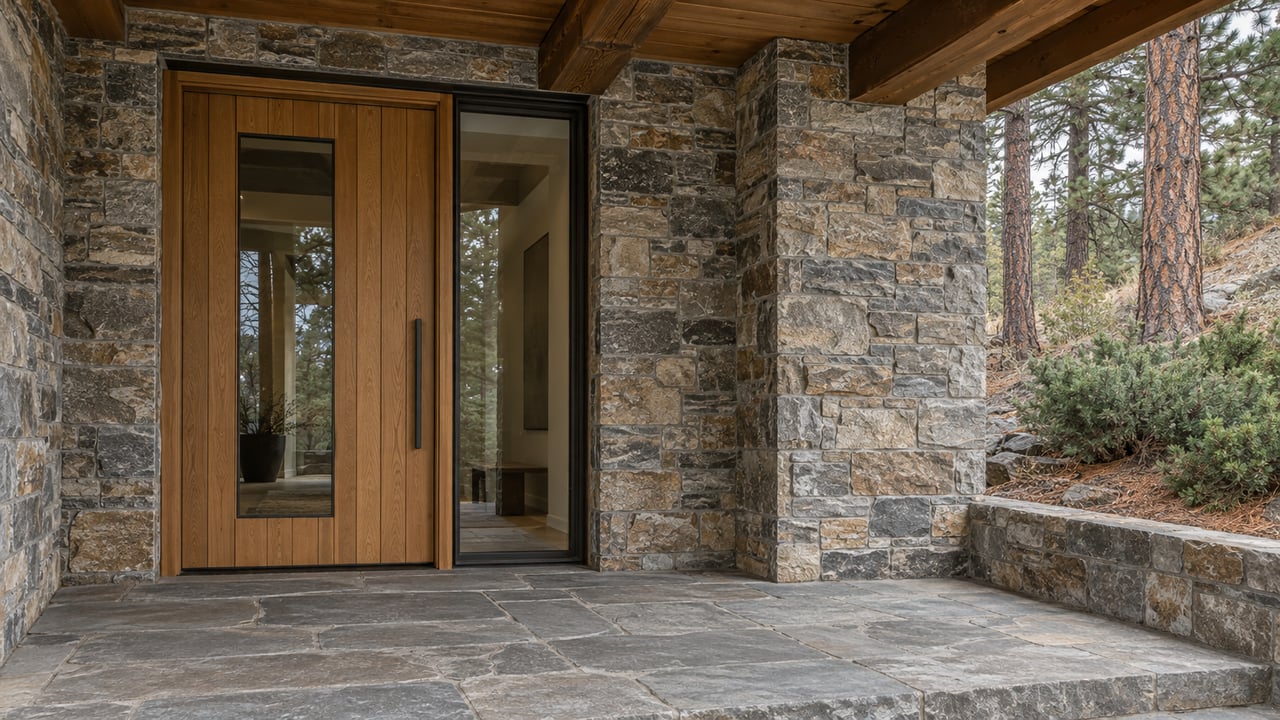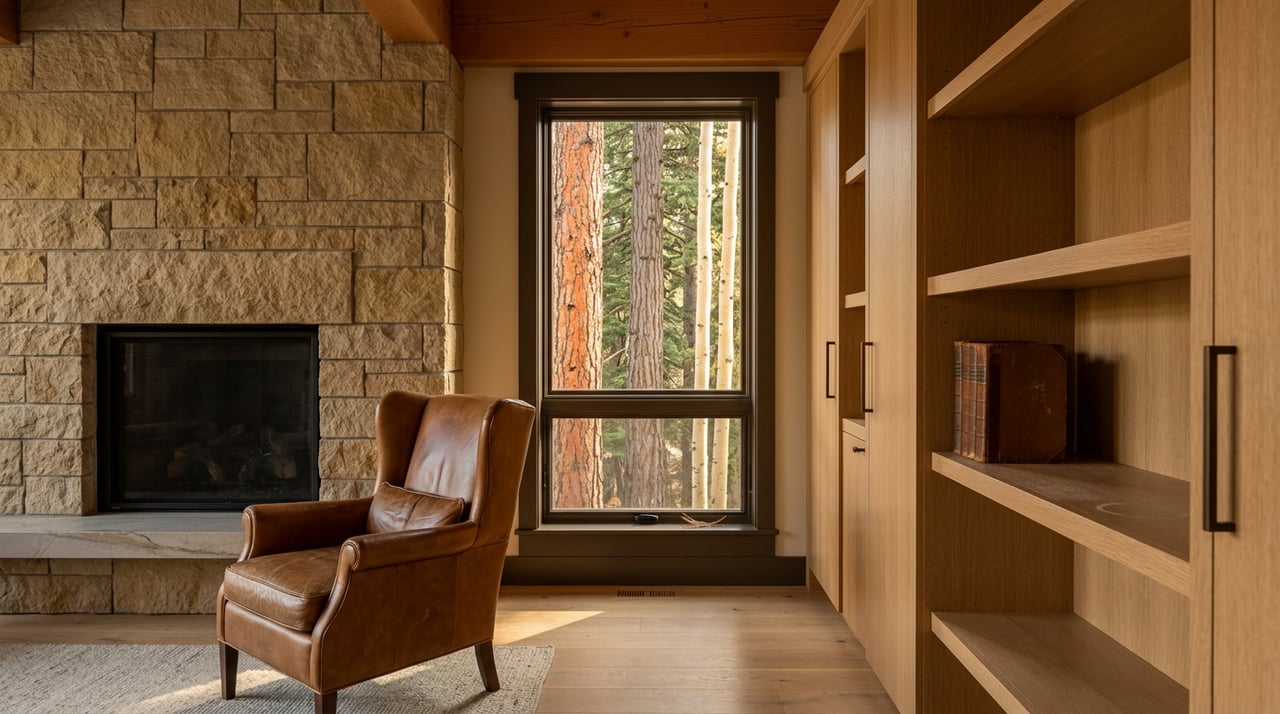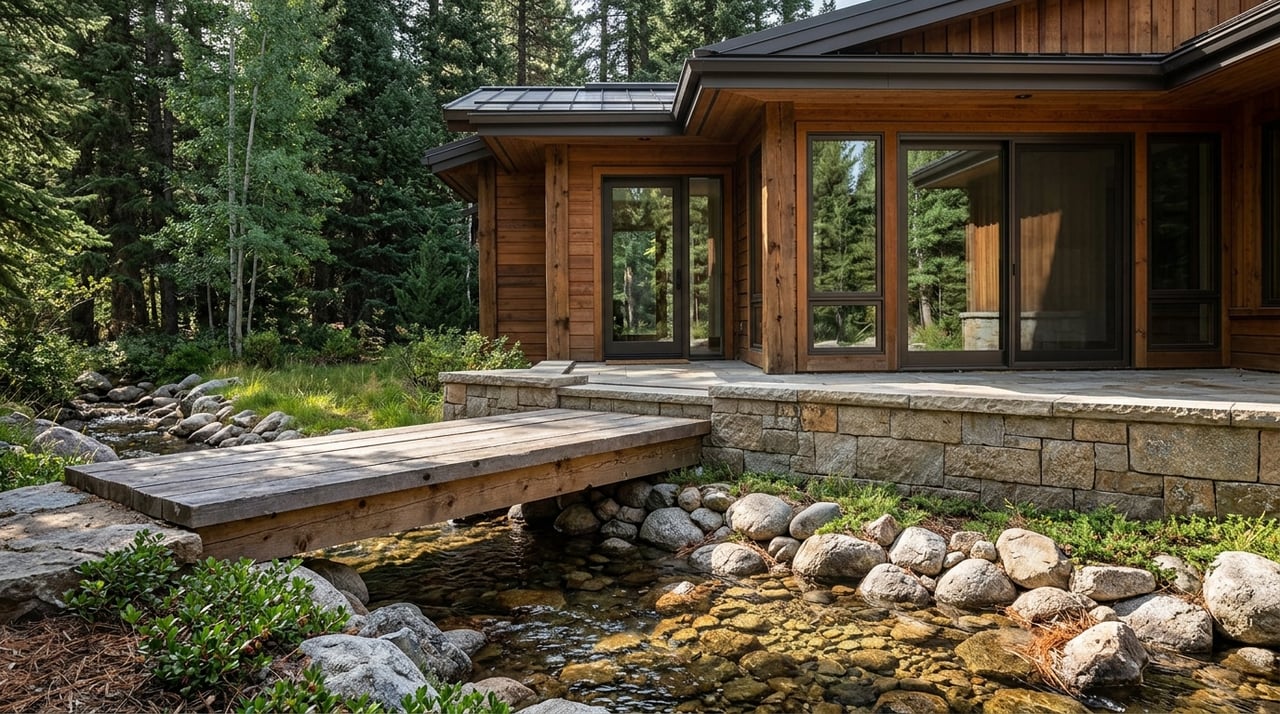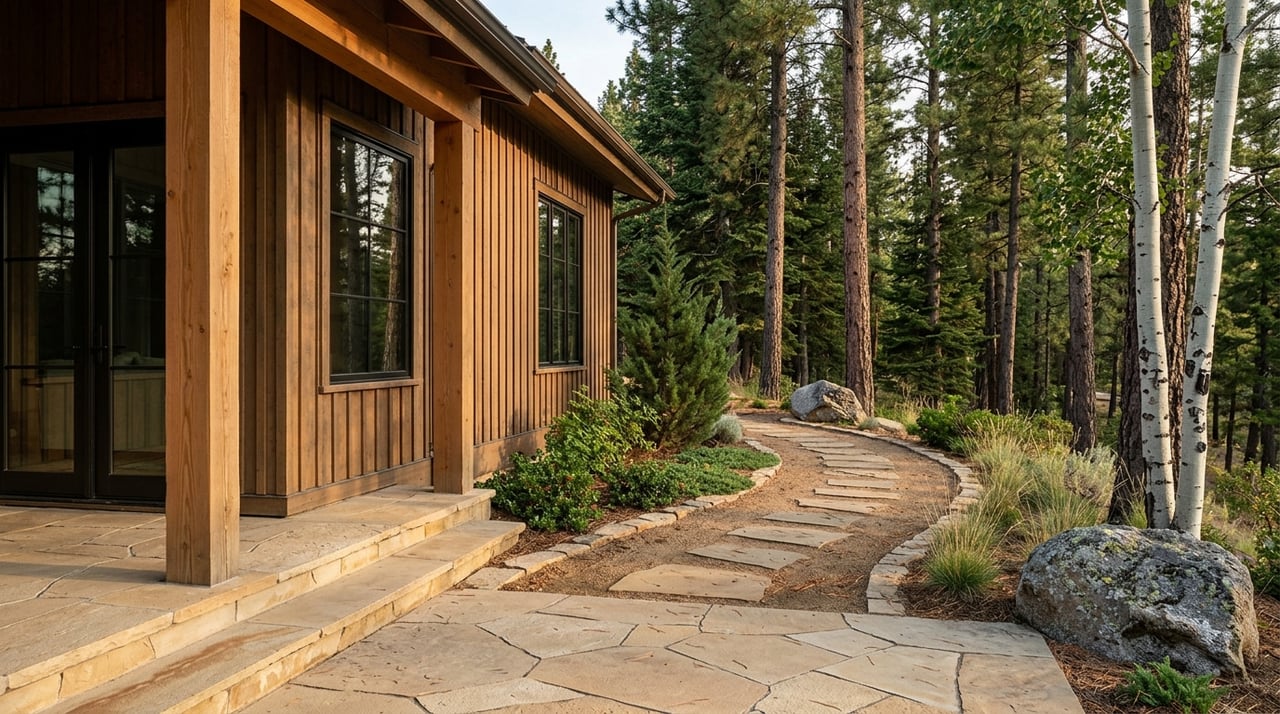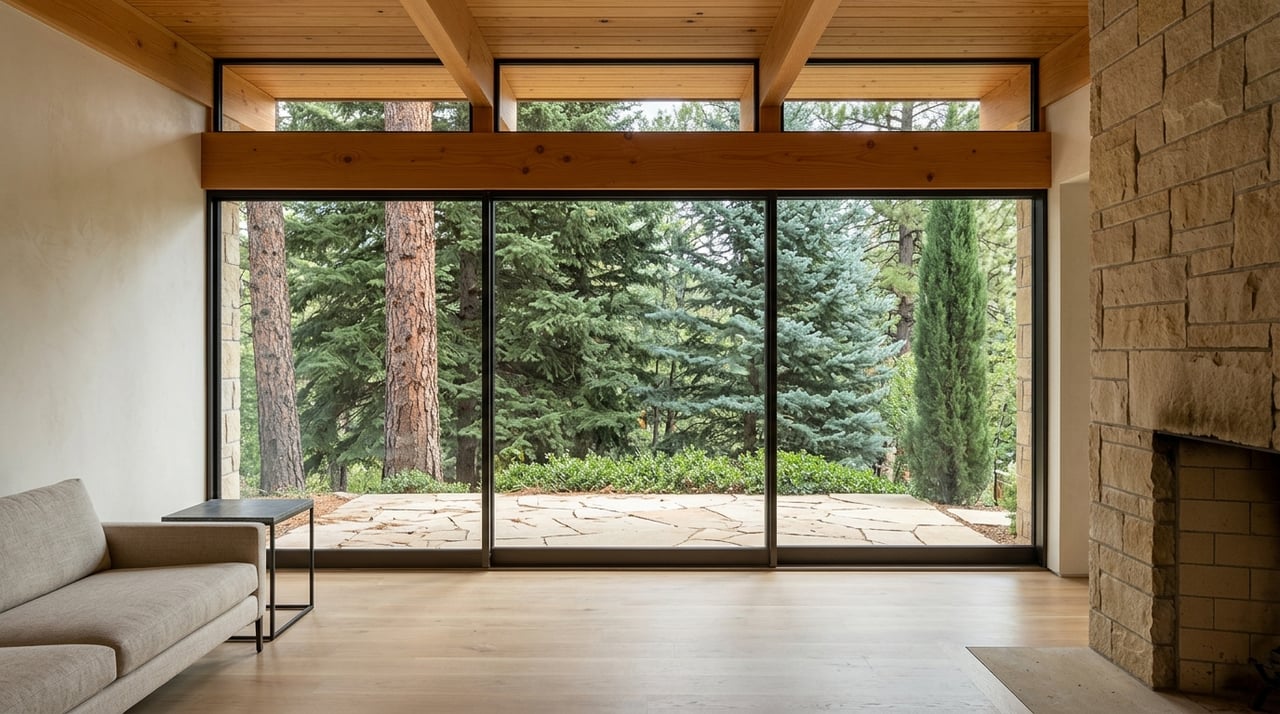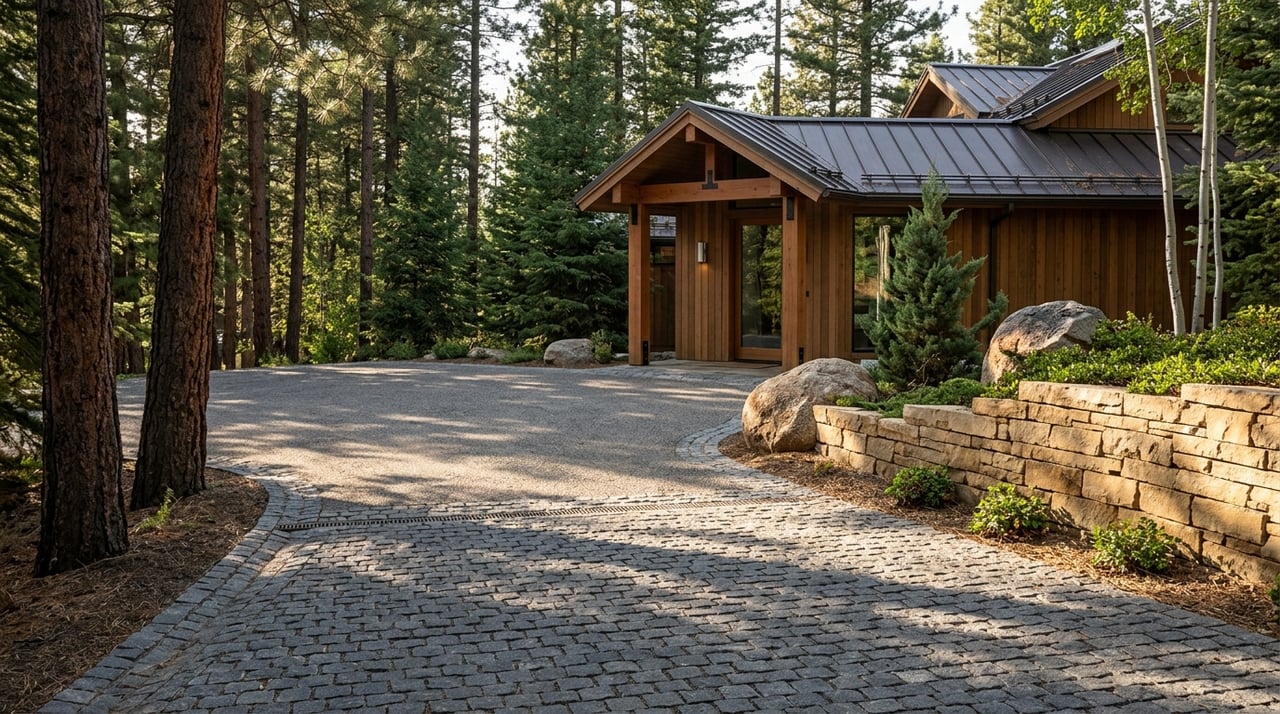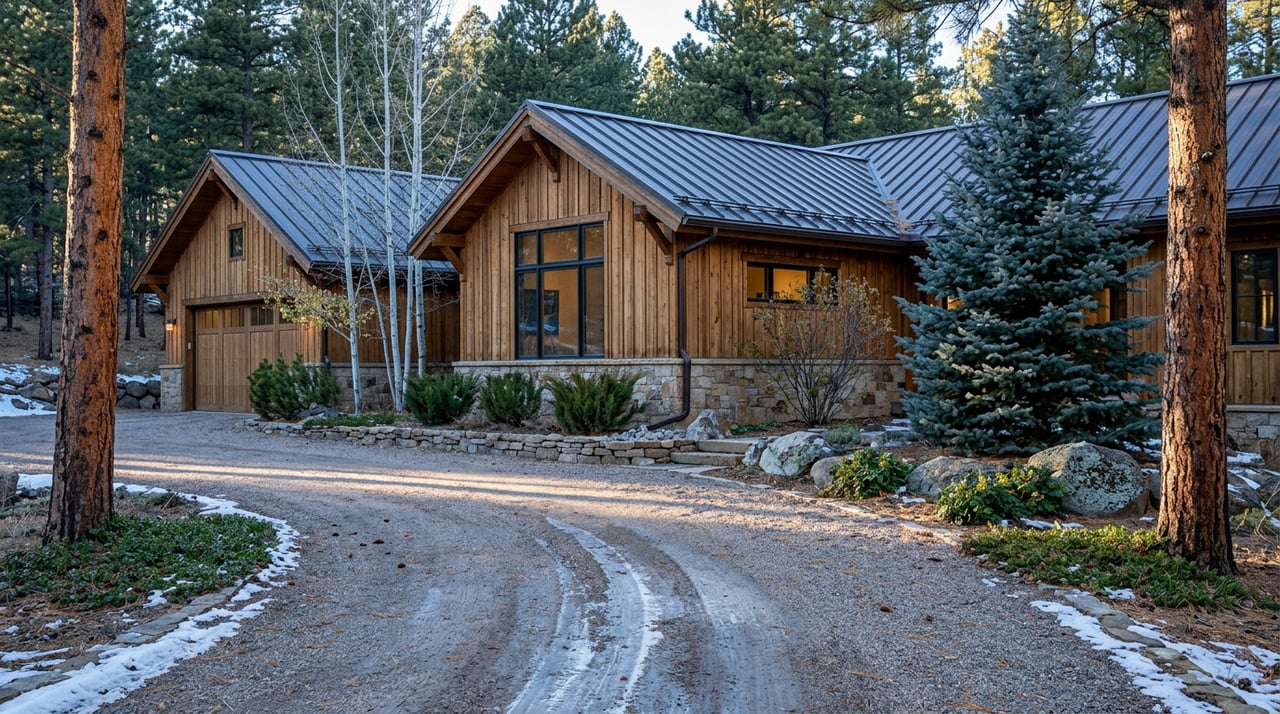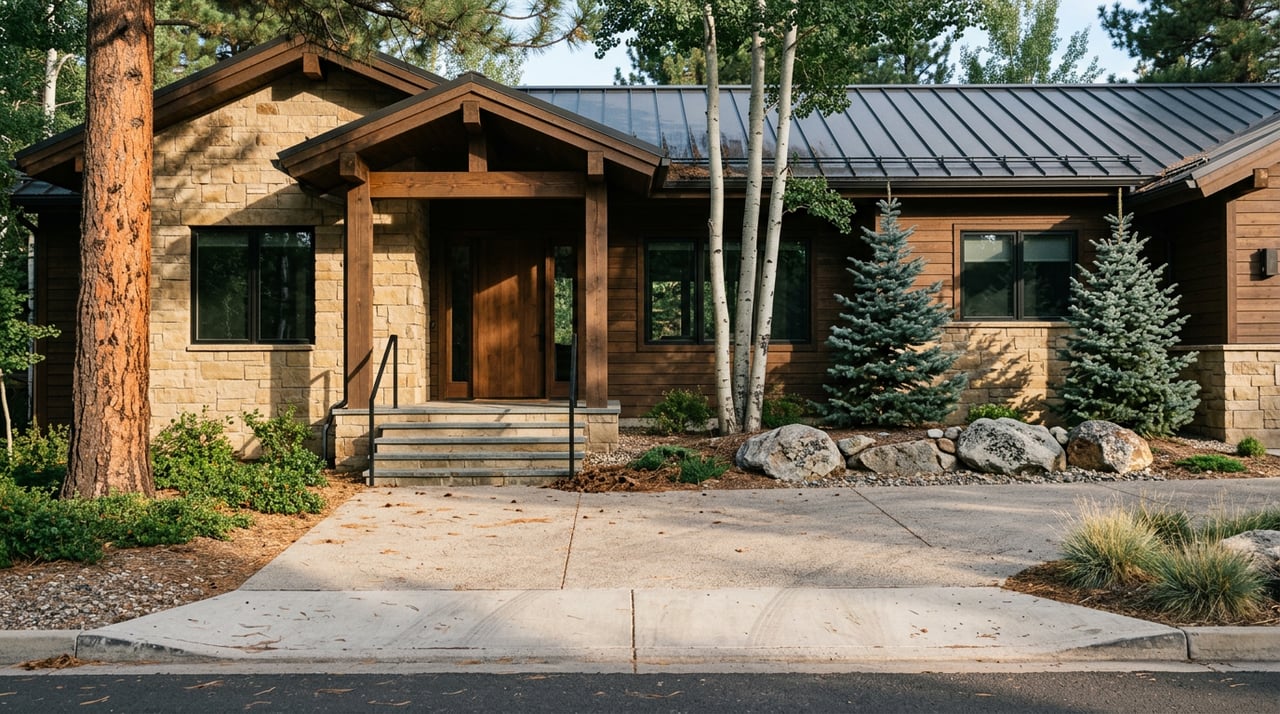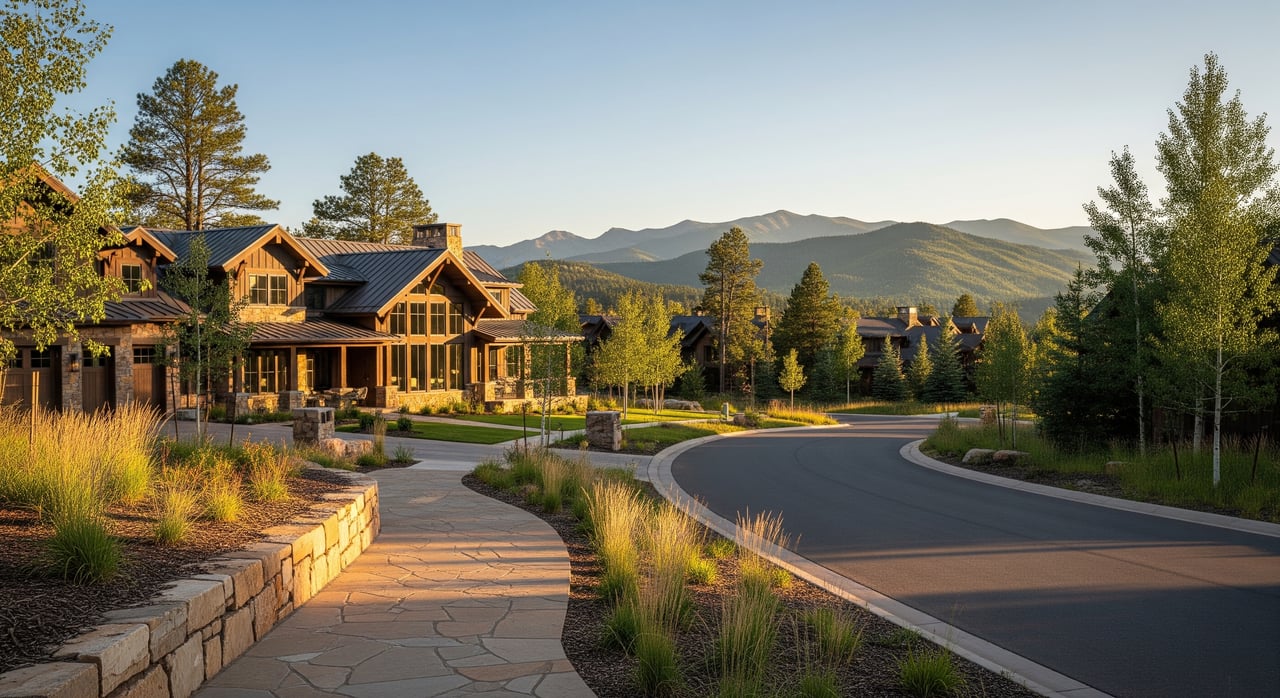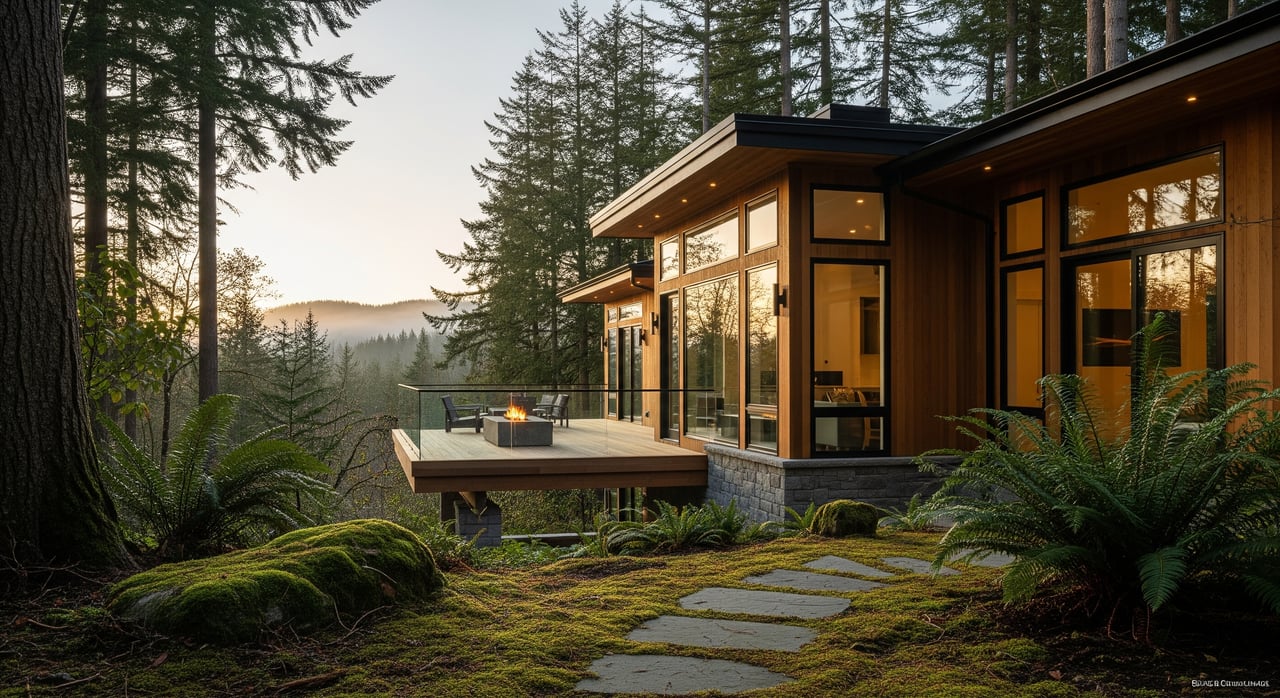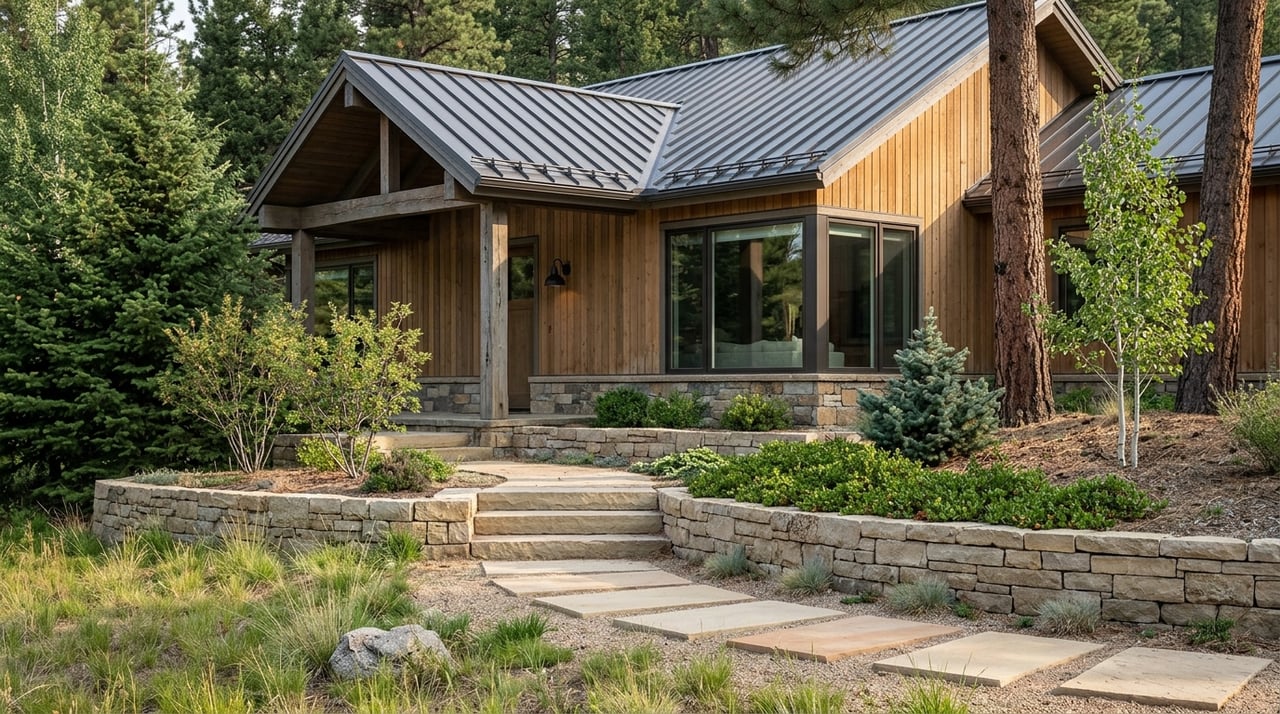
Trying to choose between Tanoa and The Promontory? If you are searching in Evergreen’s north side and both neighborhoods keep landing on your shortlist, you are not alone. Each offers mountain-home appeal, access to open space, and strong convenience to the Elk Meadow and Bergen Park area, but the day-to-day feel is not the same. This guide will help you compare layout, home style, trail access, and HOA structure so you can focus on the neighborhood that fits how you want to live. Let’s dive in.
Tanoa vs. The Promontory at a Glance
If you want the simplest read, Tanoa tends to suit buyers who prefer more variety. The Promontory tends to suit buyers who want a smaller, more cohesive enclave.
Tanoa is a larger mixed-use master-planned community with more than 400 residential units plus commercial components. The Promontory at Soda Creek is much smaller, with 53 property owners, and its HOA manages private roads other than Windom.
That difference in scale shapes almost everything else. It affects the streetscape, the sense of consistency from home to home, and the type of ownership experience you can expect.
Community Feel and Neighborhood Scale
Tanoa feels broader and more varied
Tanoa stretches across several phases and street patterns, including Tanoa Road, Elk View Drive, Wildwoods, Cinnamonwood, Blackfeather Trail, and Forestland Drive. Public records and listings show a wider range of lot footprints and home layouts rather than one standardized pattern.
For you as a buyer, that means one part of Tanoa may feel quite different from another. Some homes sit on more compact lots, while others occupy larger custom parcels, and several back to HOA-owned meadow or public open space that adds a wooded, private feel.
The Promontory feels smaller and more unified
The Promontory is more compact and consistent in character. Listing patterns and HOA scale point to a court-based layout, with streets such as Belford Court, Shavano Court, El Diente Court, Little Bear Court, and Bierstadt Court.
That smaller footprint often creates a more tucked-away feel. If you value a quieter enclave with fewer homes and a more uniform streetscape, The Promontory may feel easier to understand from the start.
Lot Size and Privacy
Tanoa offers more lot-size range
One of Tanoa’s biggest strengths is flexibility. Public listings show lots from about 0.26 acres to roughly 1.417 acres, with many homes clustering around 0.70 to 0.90 acres.
That gives you more room to choose your tradeoff. You may find a lower-maintenance lot in one pocket of the neighborhood or a larger custom parcel in another, while still staying within the same broader community.
The Promontory is more consistent
Promontory lot sizes tend to cluster more tightly, often around 0.62 to 0.85 acres, with occasional larger outliers such as 1.67 acres. In practical terms, that can make the neighborhood feel more even from one home to the next.
If you want a more predictable sense of spacing and lot layout, this consistency may be appealing. It does not mean every parcel is identical, but it does suggest fewer extremes than you typically see in Tanoa.
Home Styles and Architecture
Tanoa shows more design variety
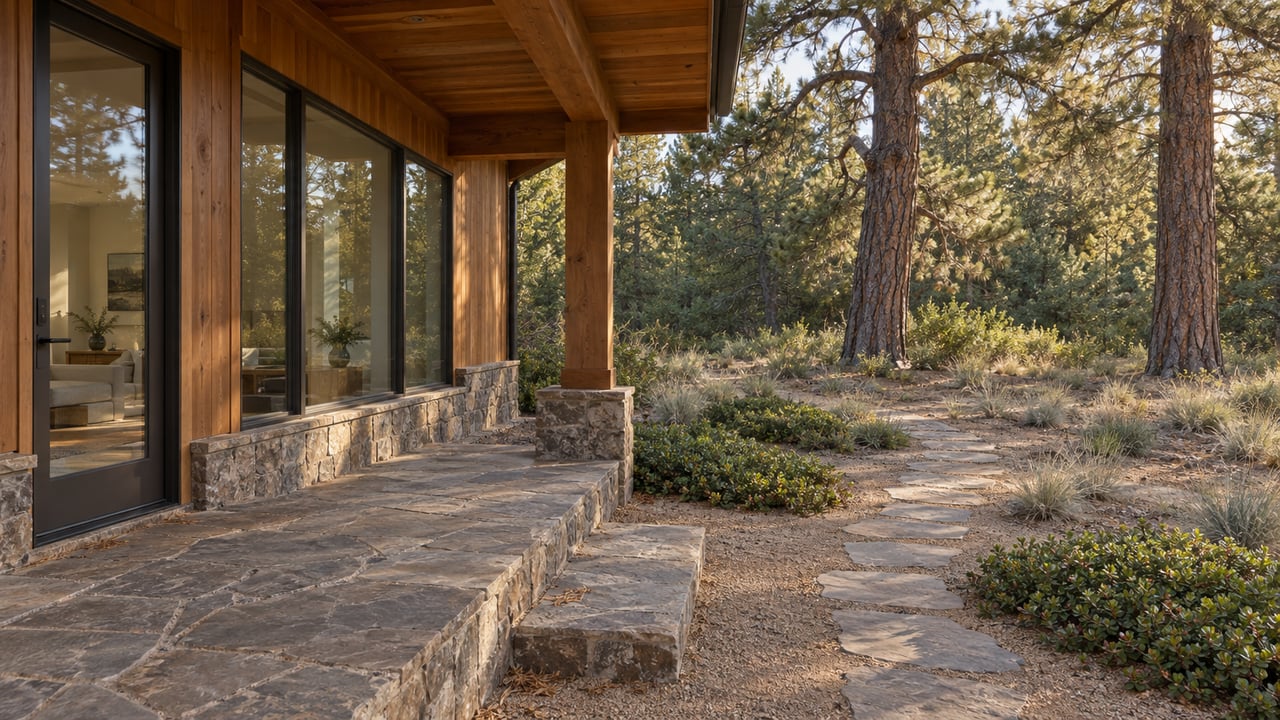
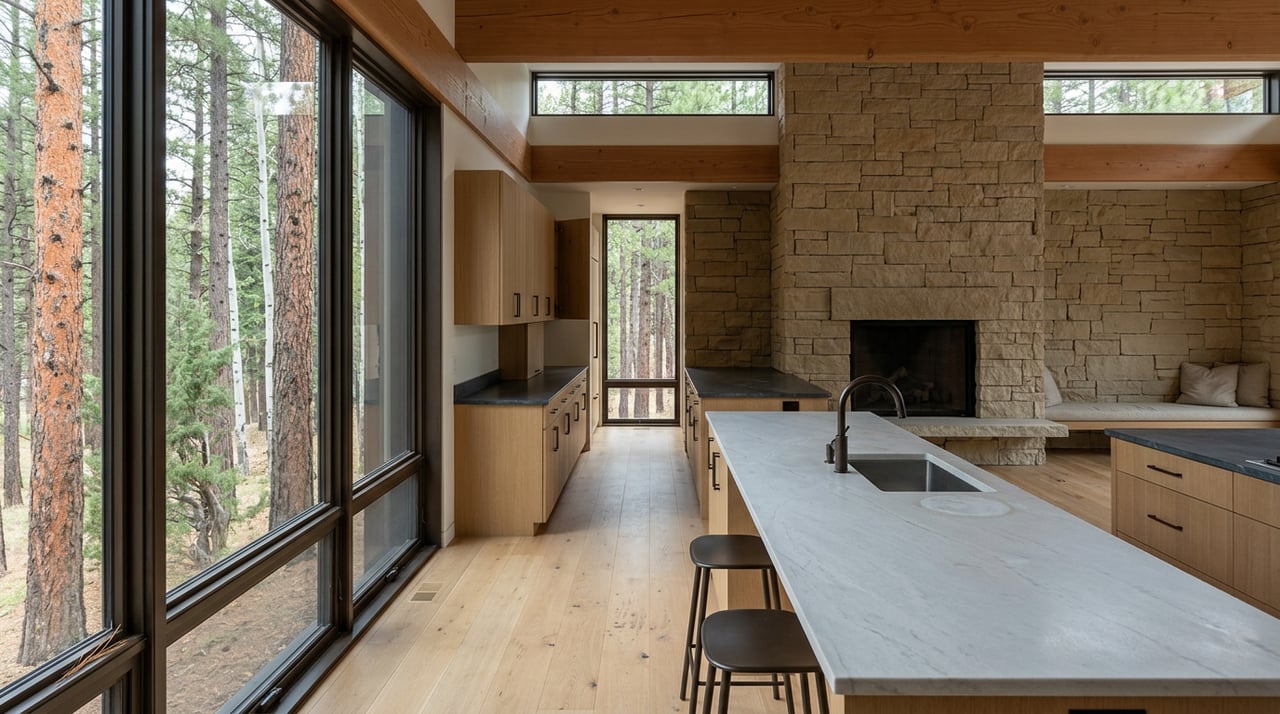
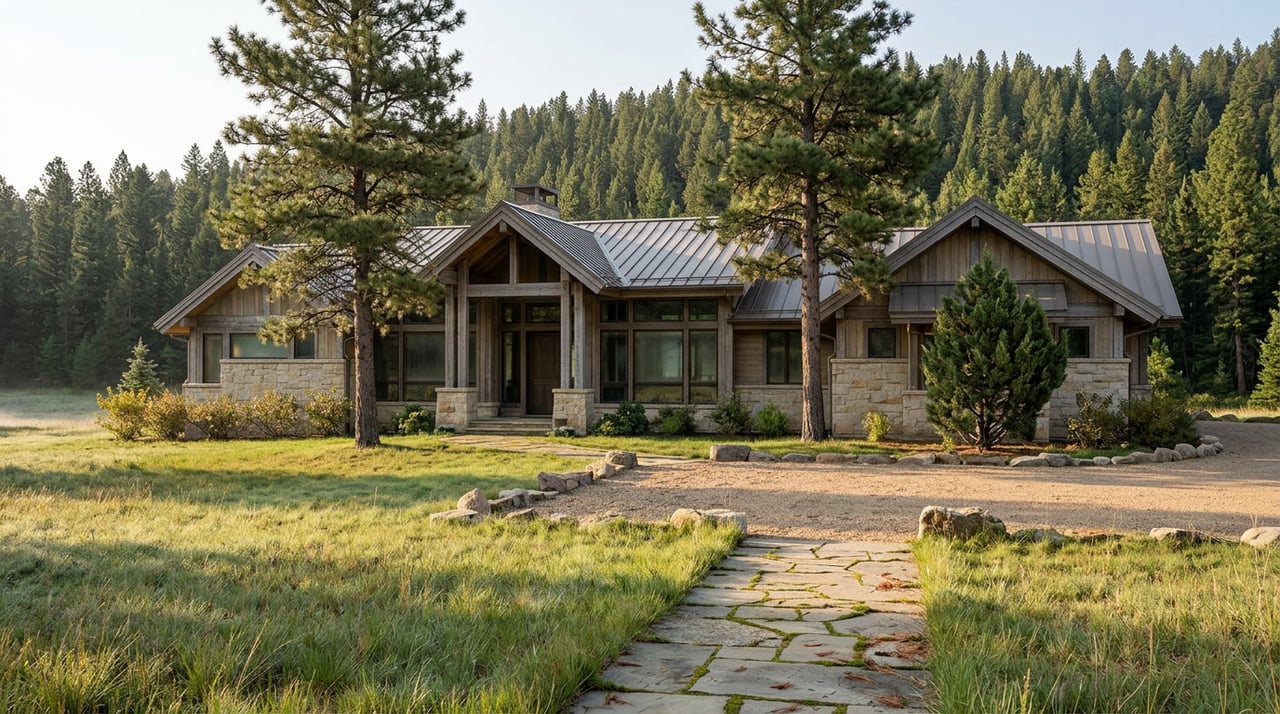
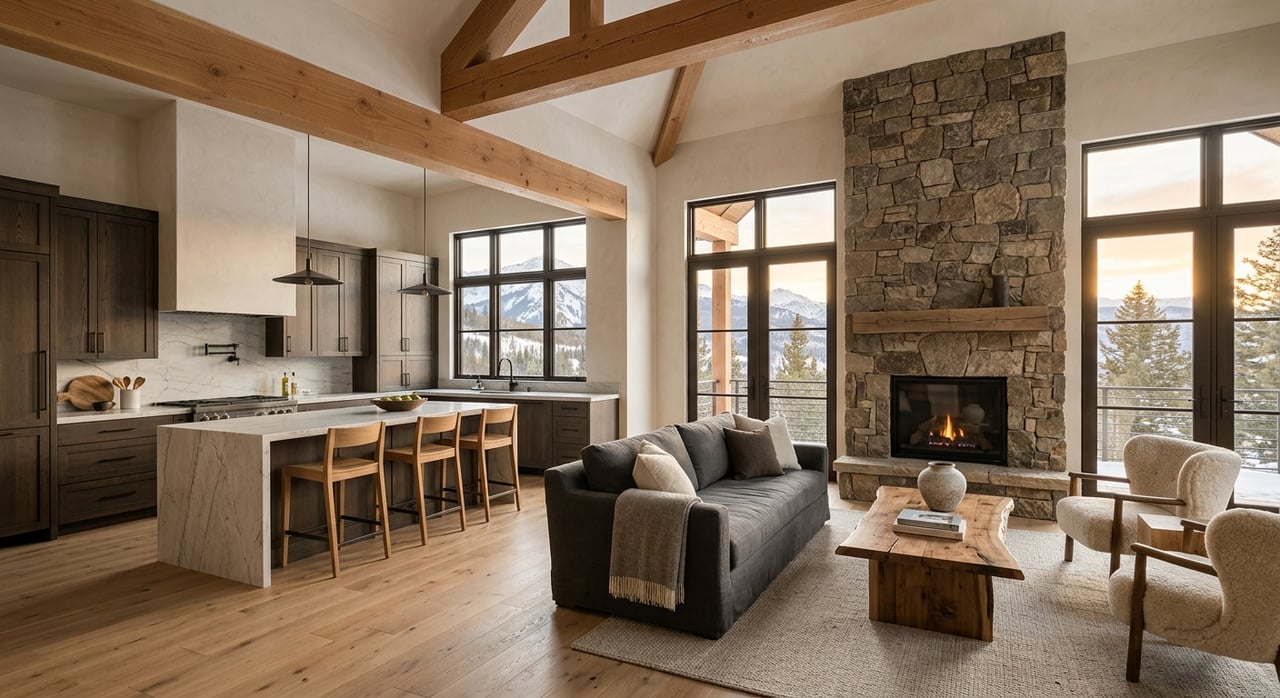
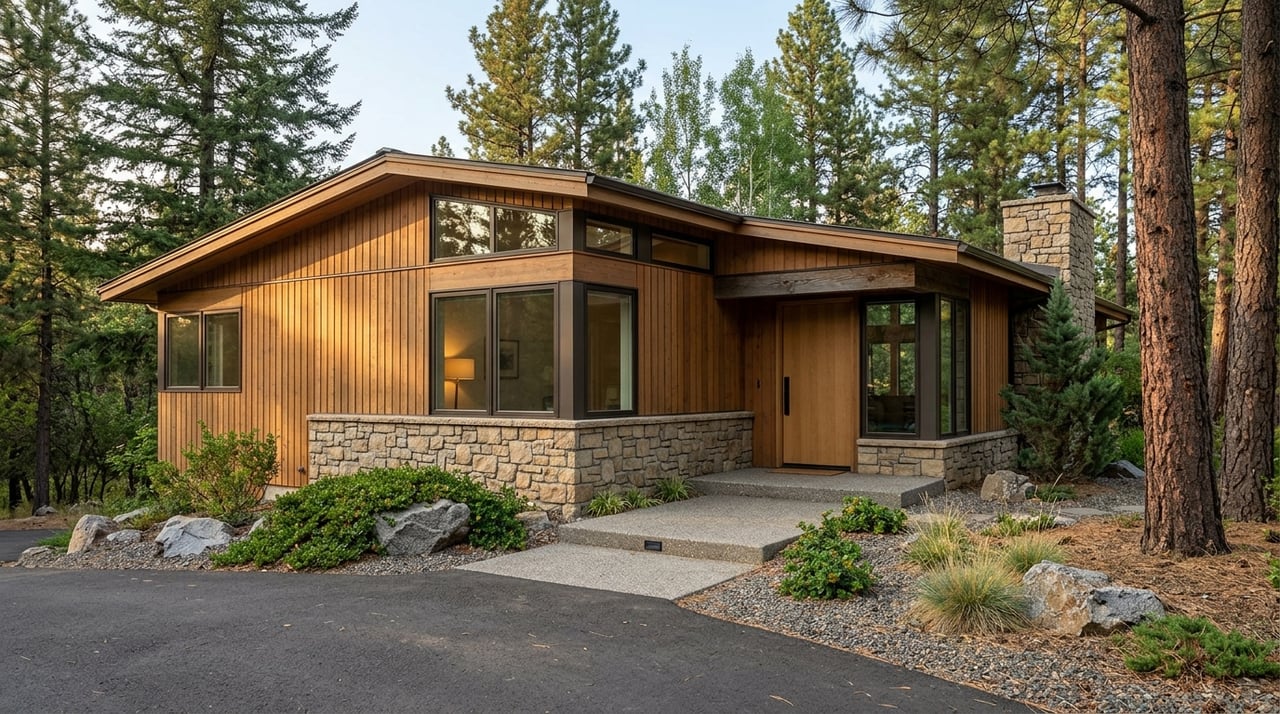
Tanoa homes are often described in listings as rustic contemporary, mountain contemporary, contemporary, and bi-level. Construction types vary too, with wood and frame-masonry examples, and common features include vaulted ceilings, reclaimed beams, open floor plans, and walkout basements.
Development began in 1994 and was completed in 1999, and the community includes luxury custom homes, patio homes, a medical complex, and retail commercial uses. The result is a neighborhood where the architectural feel can shift from one section to another.
If you enjoy seeing different interpretations of mountain living, Tanoa may hold your attention longer. If you prefer a more unified look, that same variety may feel less predictable.
The Promontory leans more custom-estate
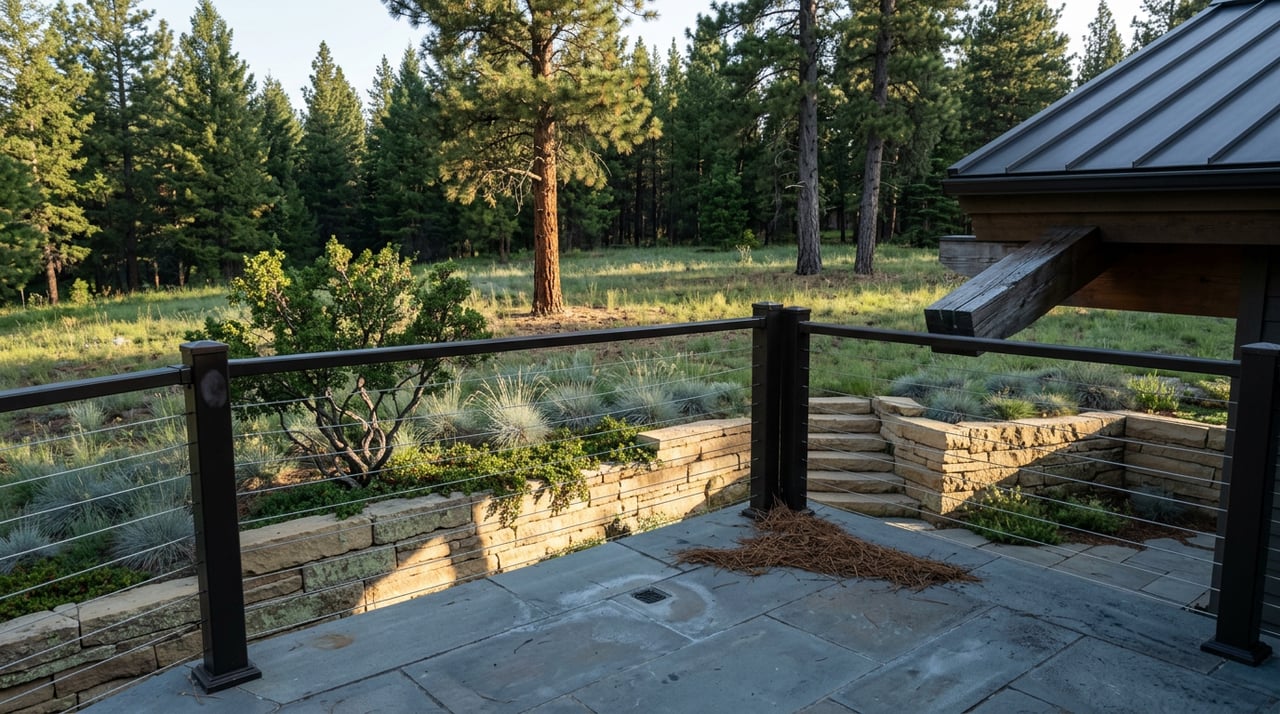
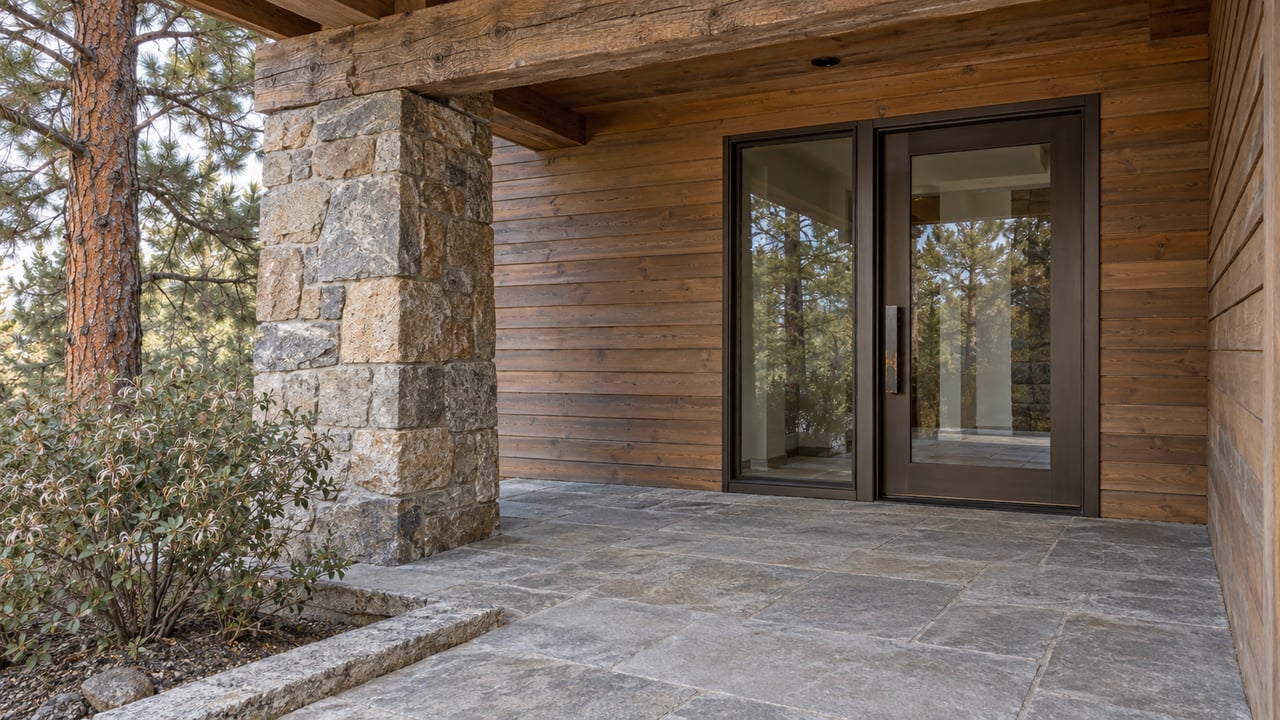
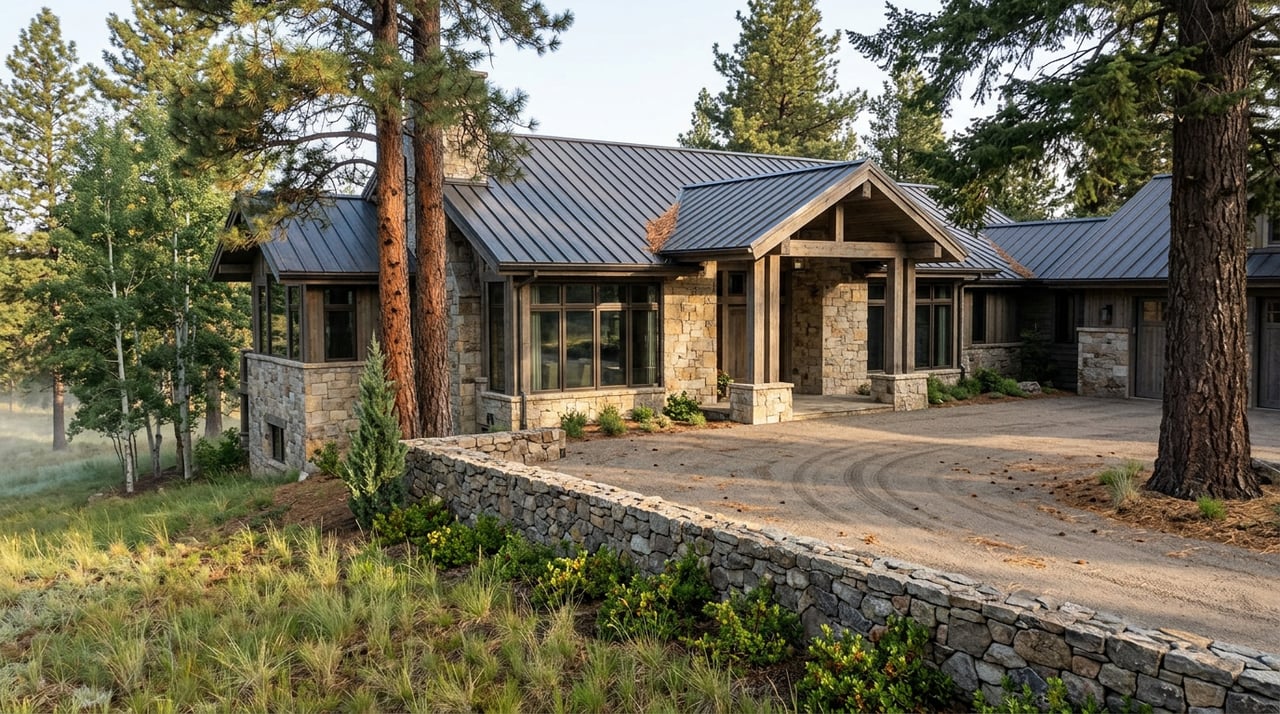
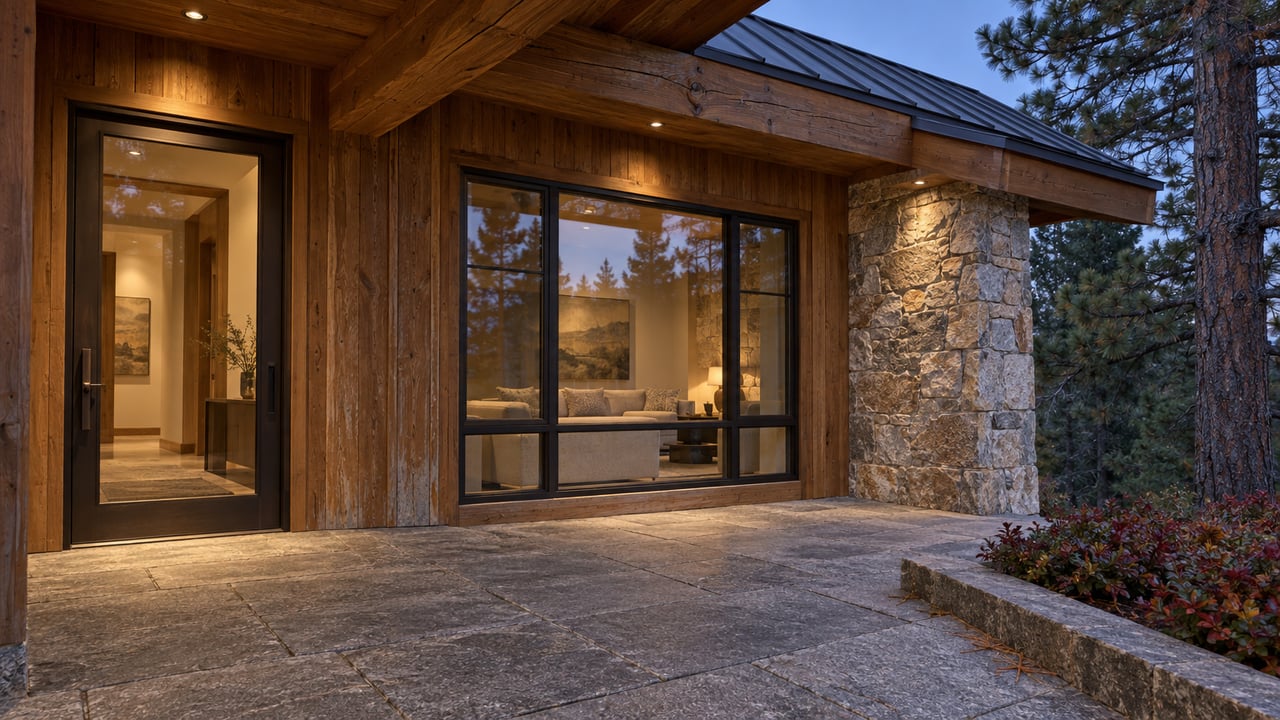
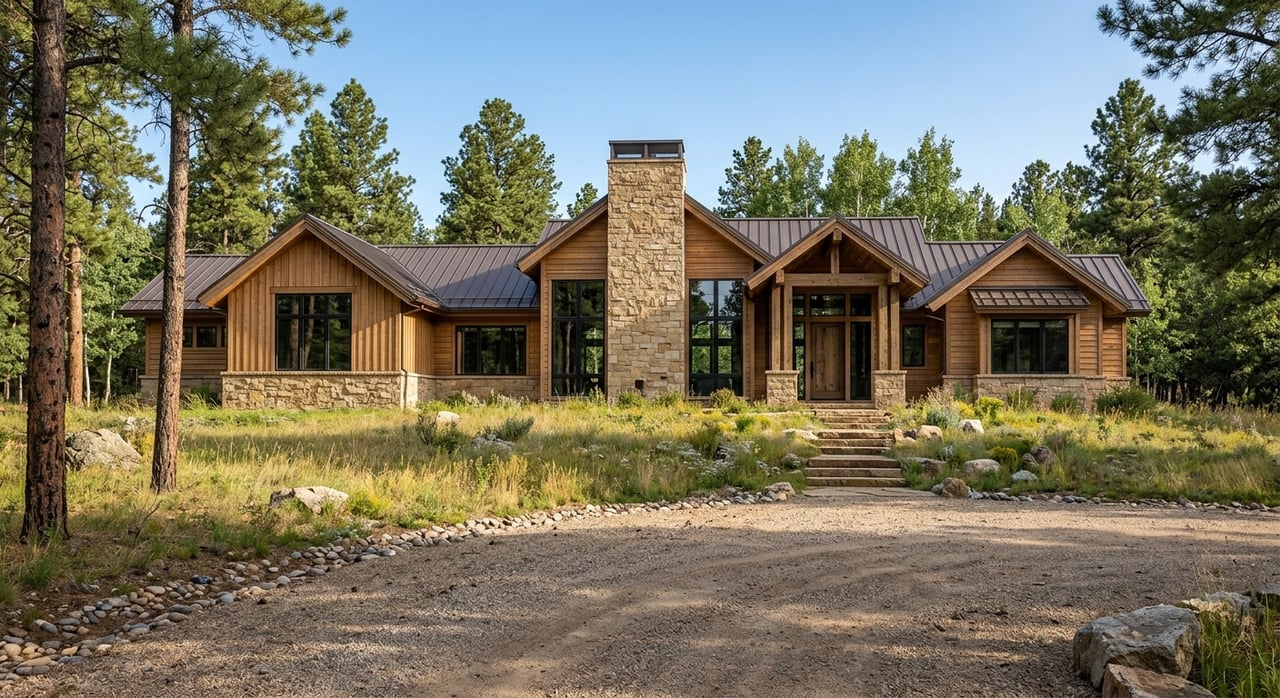
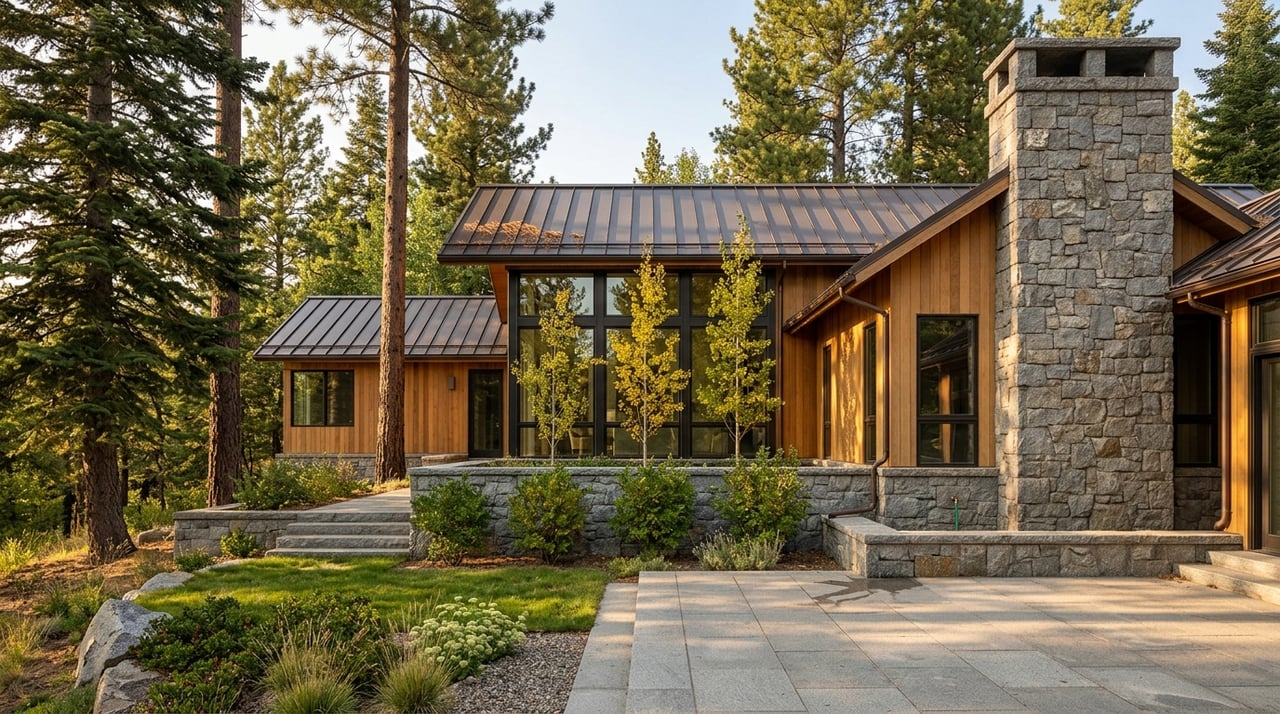
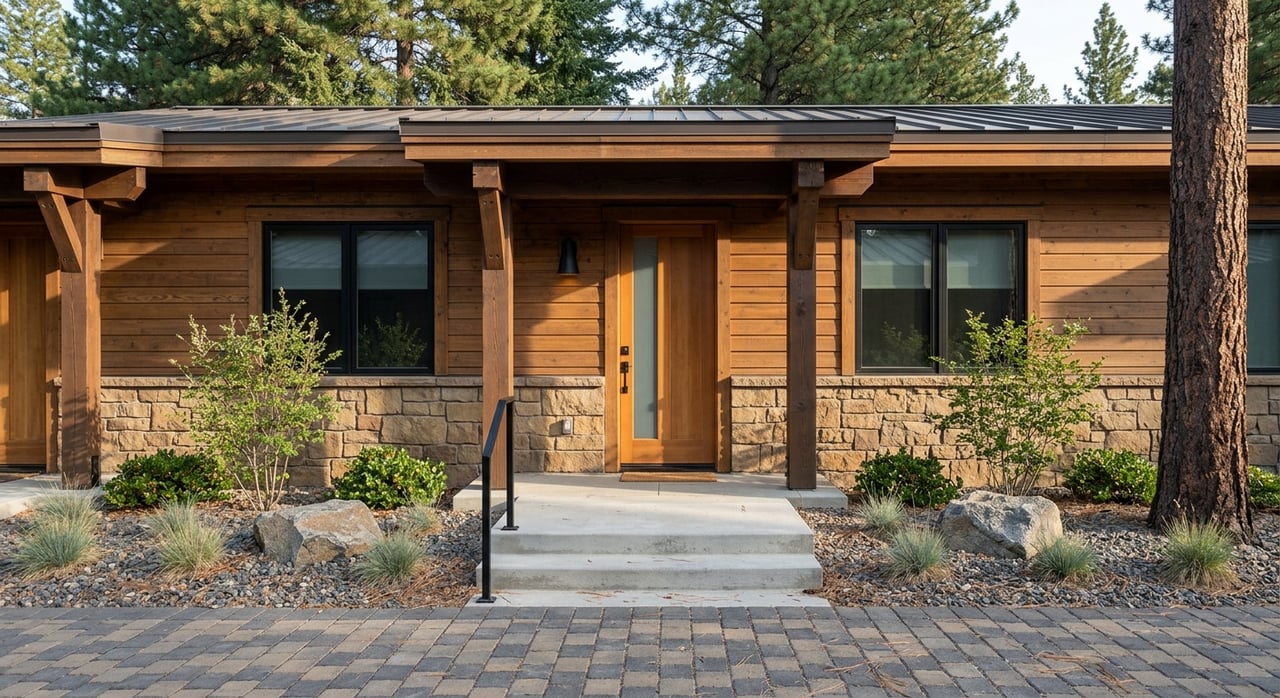
Promontory listings consistently describe mountain contemporary or contemporary mountain homes. Common features include vaulted entries, exposed beams, large decks, 3-car garages, and walkout basements.
The overall look appears more uniform, with an established custom-home feel and a late-1990s to early-2000s construction pattern in public records and current listings. Many listings also highlight updated or remodeled interiors, so you should expect an established-home market rather than new construction.
Trails, Open Space, and Outdoor Access
Both neighborhoods connect well to recreation
If trail access is high on your list, both neighborhoods deserve serious consideration. Jefferson County notes that Elk Meadow Park is a key open-space destination, and the Pioneer Trail connects Bergen Park to Evergreen Lake through Elk Meadow Park.
The county also identifies the Stagecoach and Lewis Ridge trailheads for Elk Meadow. Evergreen Lake and Trail, part of Dedisse Park and managed by Evergreen Park & Recreation District, includes a 55-acre lake area and a 1.25-mile hiking trail.
Tanoa balances trails with corridor convenience
Public listing language says some Tanoa homes offer direct backyard access to HOA open space and a private trail connection to the Elk Meadow trail system. Other public materials describe Tanoa as adjacent to a bike path and connected to Elk Meadow Open Space.
One Tanoa address shows estimated drive times of about 3 minutes to Elk Meadow Park, 5 minutes to Dedisse Park, and 6 minutes to Bergen Park. For many buyers, that creates a strong mix of outdoor access and everyday convenience.
The Promontory emphasizes immediate open-space access
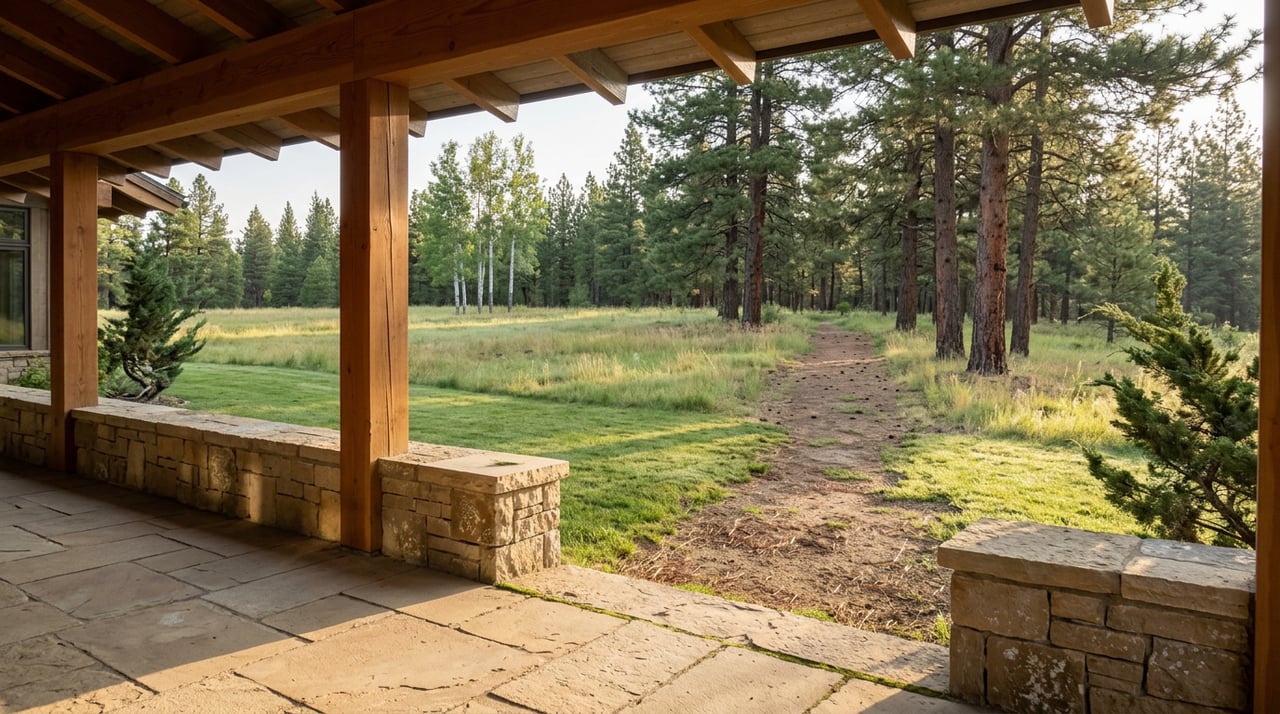
Promontory listings often highlight direct or private access to Elk Meadow Open Space. Some specifically mention a private entrance to Elk Meadow just steps from the front door, while others note homes backing to community open space or private hiking trails.
That pattern gives The Promontory a stronger enclave feel tied closely to the open-space edge. If your ideal day starts with walking out your door and heading straight to the trail, this may be one of the clearest advantages in the comparison.
HOA Structure and Ownership Experience
Tanoa has broader community functions
Tanoa’s HOA highlights committees related to open space, fire mitigation, landscape, and snow removal. In a larger community, that kind of structure can support a range of shared spaces and neighborhood functions.
For you, the main question is whether you like the feel of a broader community with more moving parts. Some buyers appreciate the added structure, while others want a more compact setup.
The Promontory includes private-road maintenance
The Promontory explicitly places road maintenance and snow removal within HOA responsibility for all roads except Windom. That is an important detail because private-road communities can create a different ownership experience than neighborhoods with primarily public road systems.
If you want clarity around who maintains most of the roads, The Promontory offers a straightforward answer. During your review, it is worth looking closely at HOA documents, budgets, and road-related expectations.
Which Neighborhood Fits Your Priorities?
Choose Tanoa if you want more options
Tanoa may be the better fit if you want:
- A larger neighborhood with mixed-use components
- More variation in lot size and home style
- A wider range of streetscapes and phases
- Evidence of private trail connections plus strong access to Bergen Park and Dedisse-area amenities
For buyers who like flexibility and do not mind a less uniform feel, Tanoa can offer more ways to match budget, lot preference, and architectural taste.
Choose The Promontory if you want a tighter enclave
The Promontory may be the better fit if you want:
- A smaller, all-residential setting
- A more cohesive custom-home feel
- Lot sizes that trend more consistently
- HOA-managed private roads and snow removal
- Homes that sit very close to Elk Meadow access
If your priority is a quieter, more uniform neighborhood that feels closely tied to open space, The Promontory may rise to the top quickly.
Smart Questions to Ask on Tour
When you walk homes in either neighborhood, it helps to compare the same decision points each time. A focused set of questions can make the right choice clearer.
Ask yourself:
- Do you want a larger mixed-use community or a smaller residential enclave?
- How much lot-size flexibility do you want?
- Is direct trail access more important than broader corridor convenience?
- How do you feel about HOA involvement and road maintenance responsibility?
- Do you prefer architectural variety or a more consistent streetscape?
These questions can keep you grounded in lifestyle fit, not just listing photos. That usually leads to a better long-term decision.
If you are weighing Tanoa against The Promontory and want a local, property-by-property read on which homes truly match your priorities, Lark Stewart can help you compare the details with the kind of neighborhood insight that only comes from deep Evergreen roots.
FAQs
What is the main difference between Tanoa and The Promontory for buyers?
- Tanoa is a larger mixed-use community with more variety in lot sizes, streets, and home styles, while The Promontory is a smaller residential enclave with 53 property owners and a more cohesive overall feel.
How do Tanoa and The Promontory compare on lot sizes?
- Tanoa listings show a broader range, from about 0.26 acres to roughly 1.417 acres, while Promontory listings more often cluster around about 0.62 to 0.85 acres with some larger exceptions.
Which neighborhood has better access to Elk Meadow trails?
- Both offer strong access, but public listing language more often emphasizes direct or private Elk Meadow access in The Promontory, while Tanoa shows a mix of private trail connections and quick drive times to Elk Meadow, Dedisse Park, and Bergen Park.
Are homes in Tanoa and The Promontory mostly new or established?
- Both neighborhoods are established rather than new-construction communities, with Tanoa development beginning in 1994 and completing in 1999, and Promontory listings often highlighting updated or remodeled interiors.
How do HOA responsibilities differ between Tanoa and The Promontory?
- The Promontory HOA states that it manages private roads other than Windom and includes snow removal, while Tanoa’s HOA highlights work related to open space, fire mitigation, landscape, and snow removal.
Which neighborhood is better if I want a more uniform streetscape in Evergreen?
- The Promontory generally appears more uniform in lot layout, street pattern, and architectural language, while Tanoa tends to feel more varied from one section to another.