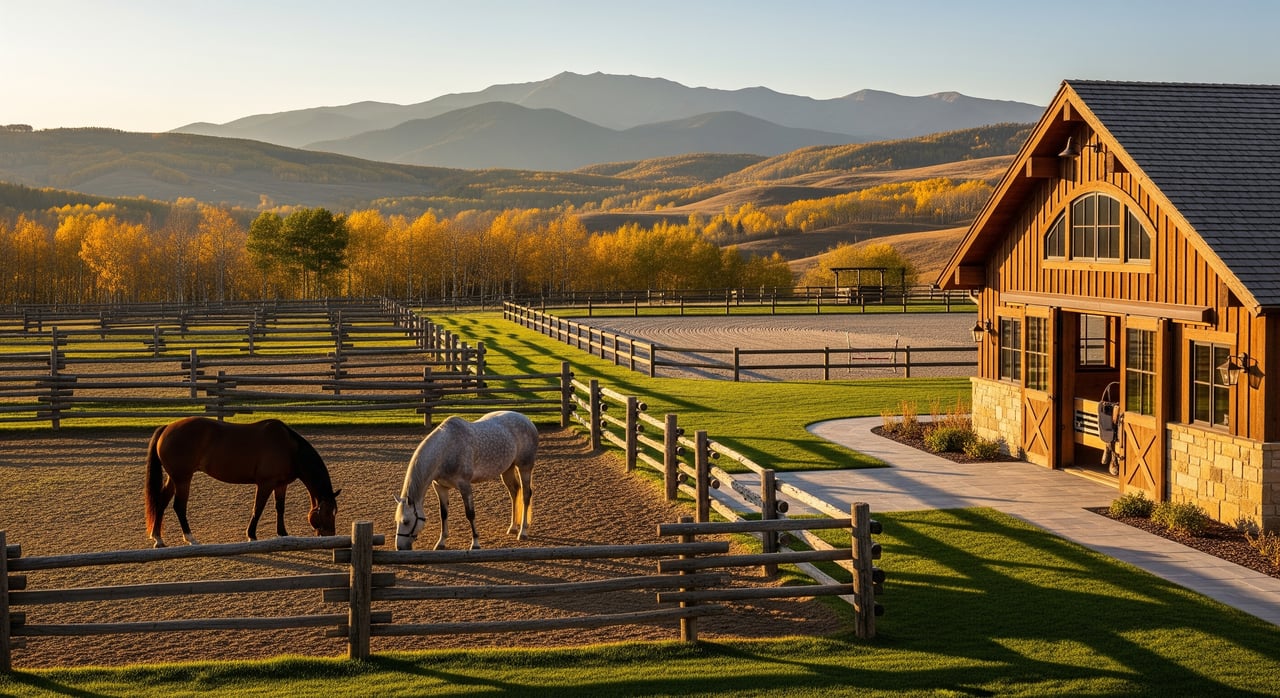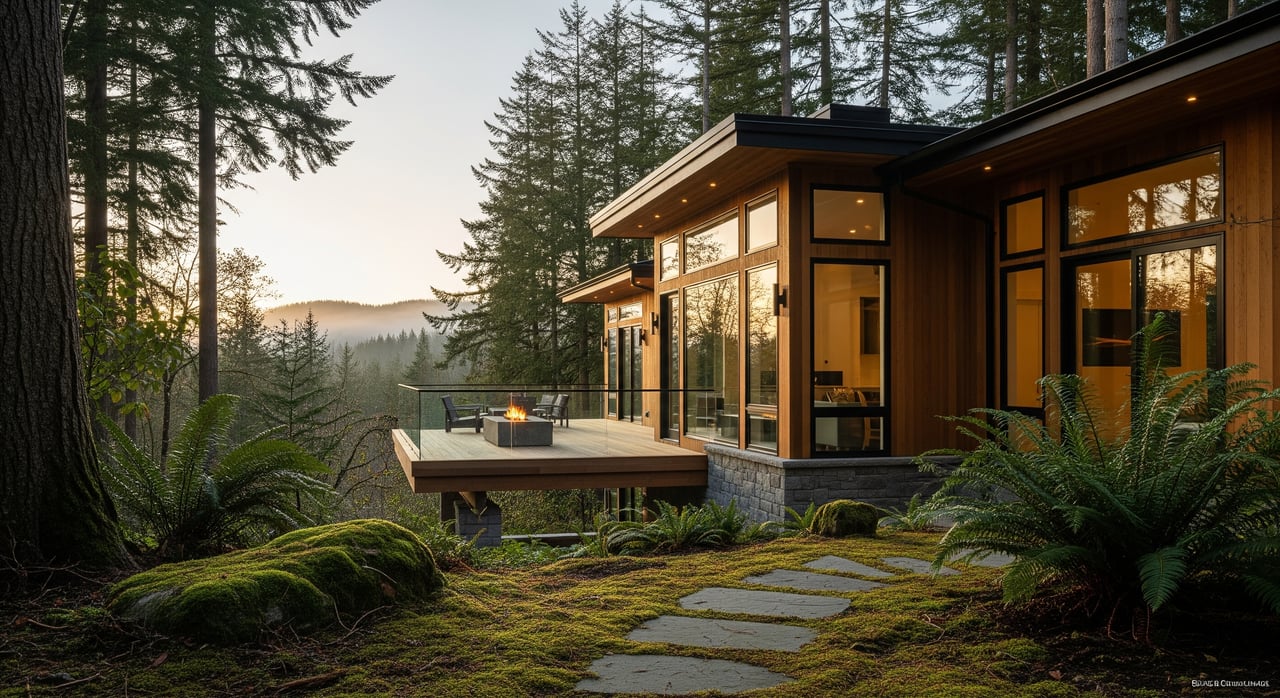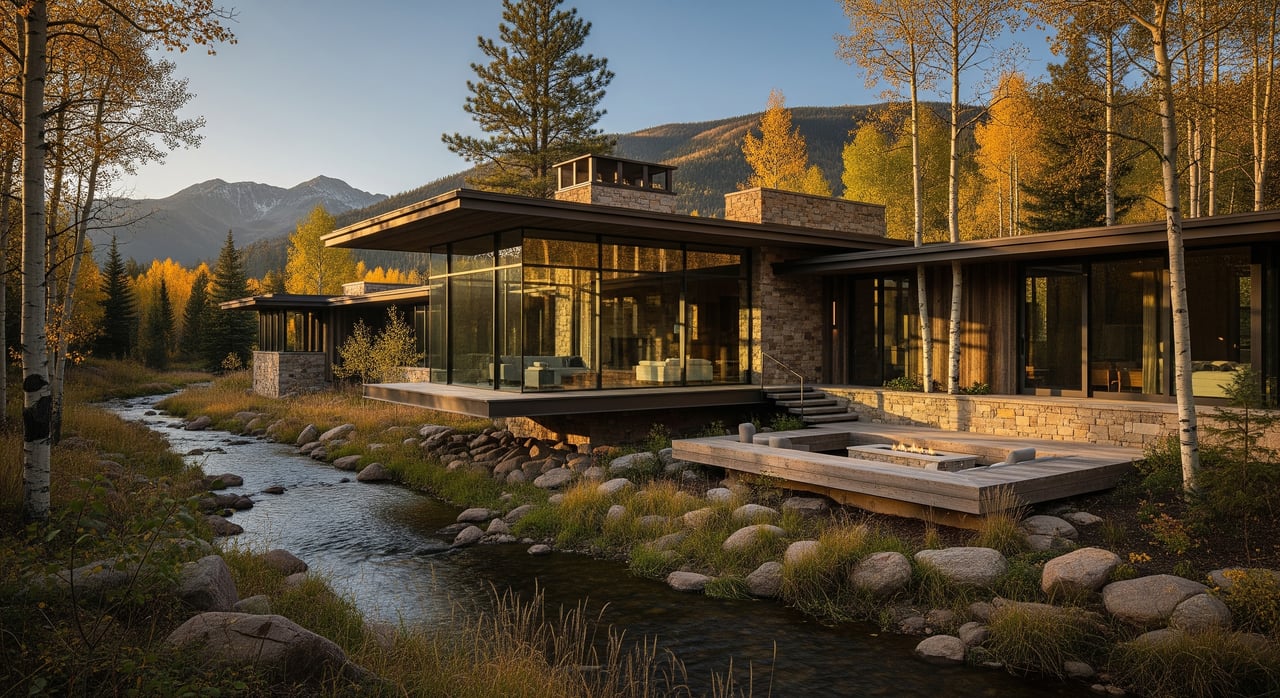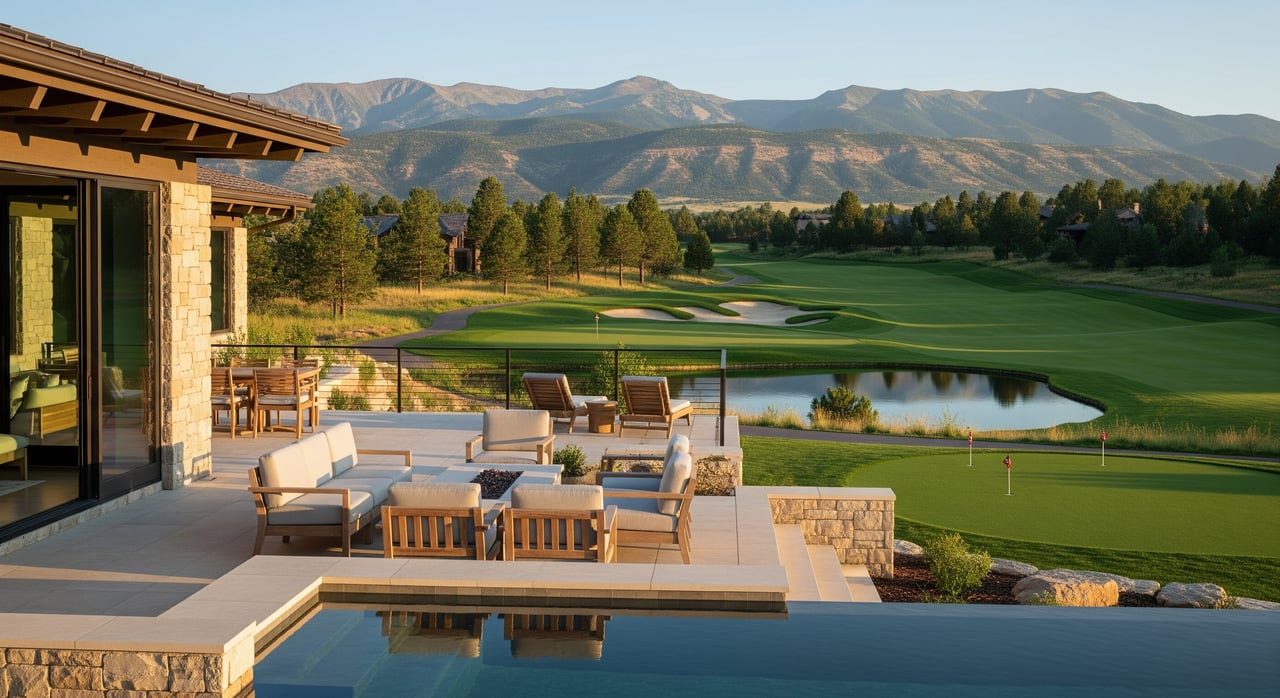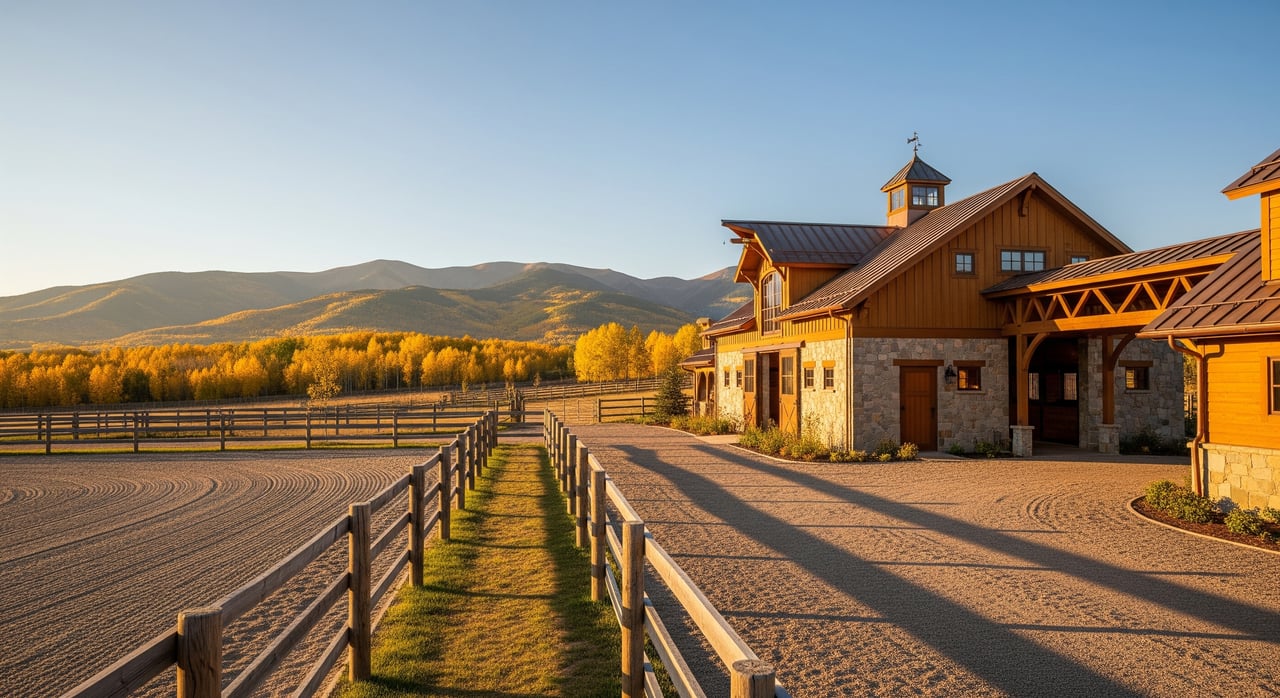
Dreaming of riding straight from your barn to peaceful foothill views? If you’re eyeing Soda Creek and nearby metes and bounds parcels in Jefferson County, you’re on the right track for privacy, space, and true equestrian living. You also want clarity on zoning, water, barns, and trails before you buy. This guide walks you through the essentials so you can choose with confidence and avoid costly surprises. Let’s dive in.
Why Soda Creek fits horse life
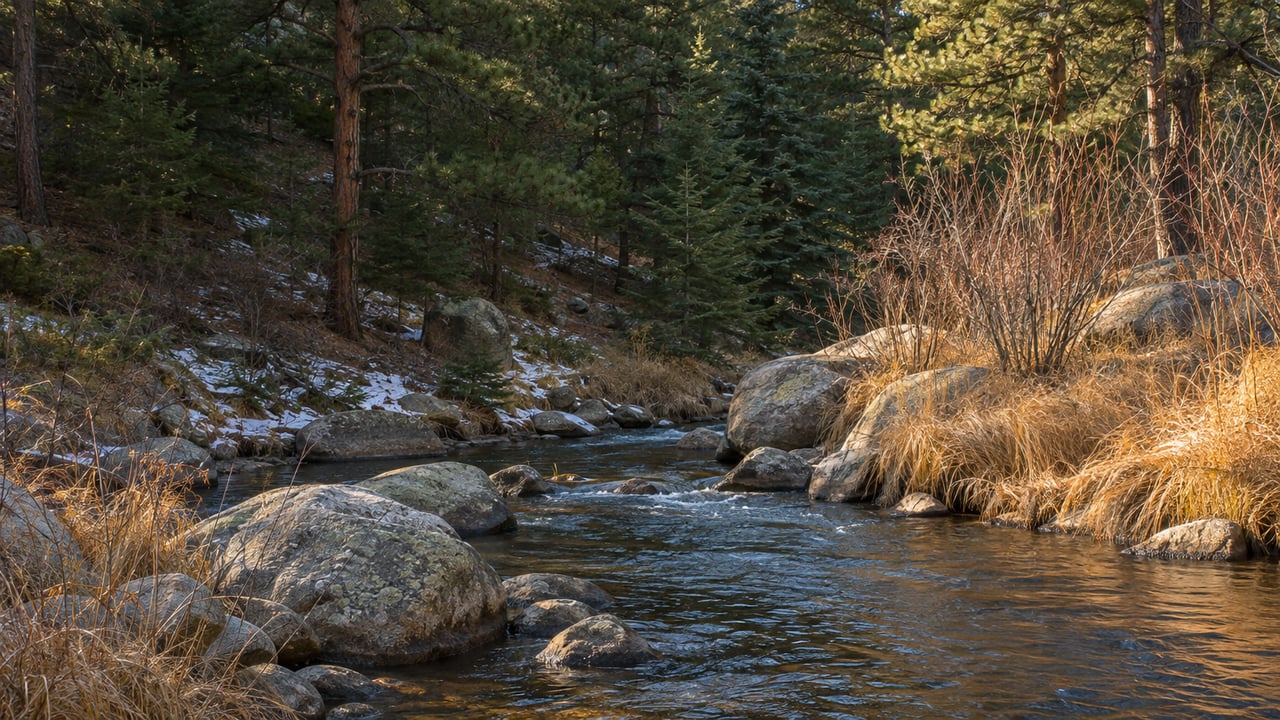
Soda Creek sits in the Denver‑metro foothills where elevations range roughly from 5,000 to 7,000 feet. You get big-sky sun, cool nights, and four real seasons. Winters can be snowy and summers are dry, so plan turnout and water systems for both heat and freeze.
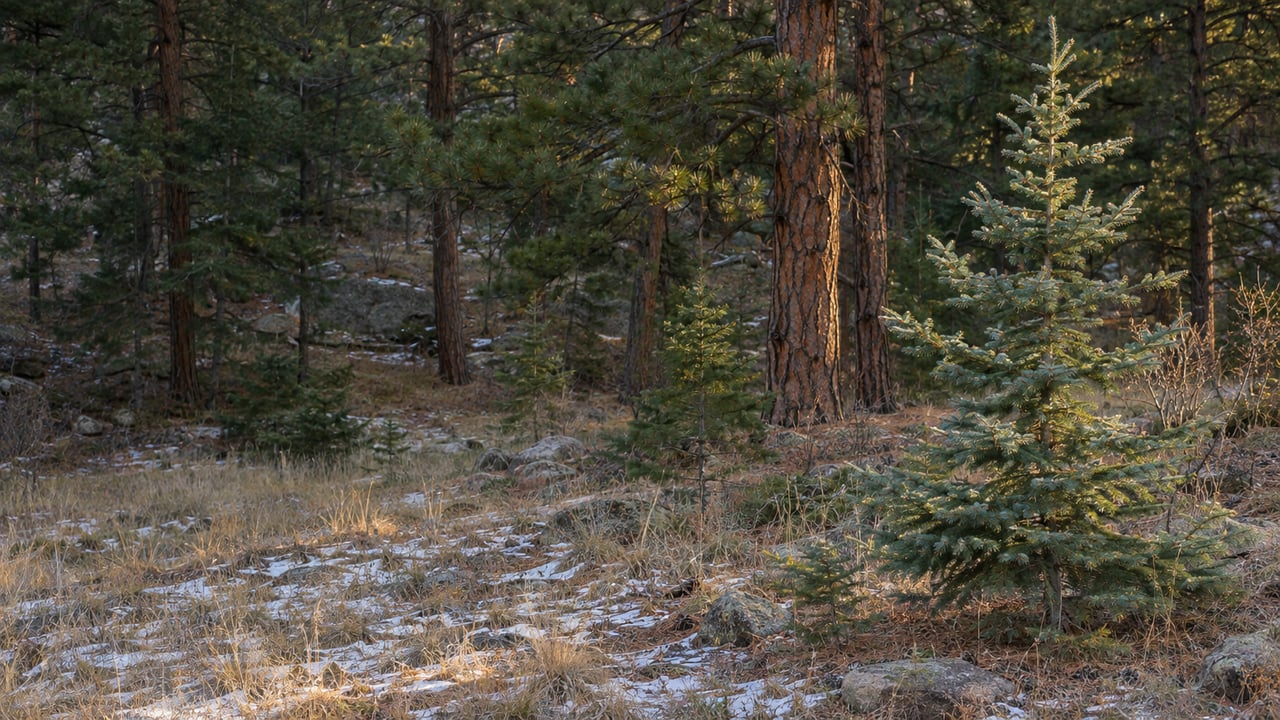
Parcels here are rolling to hilly. That terrain shapes where you place barns, arenas, and paddocks. It also affects drainage and trail grades, which matter for footing and your horses’ safety.
Privacy is a major draw. Many buyers look for tree buffers, fencing, and distance from neighbors. Properties that touch open space or have recorded trail access often command a premium because they make daily riding easier.
Parcel types and acreage
In Jefferson County, equestrian parcels often fall into three buckets:
- Small hobby properties: about 2–10 acres, good for one to a few horses with smart pasture rotation.
- Larger hobby farms: 10–30+ acres, which allow more horses, larger arenas, and flexible paddock systems.
- Metes and bounds parcels: irregular lots defined by historical surveys. Boundaries and setbacks can be unique, and access often relies on recorded easements. Always confirm the legal description and ingress/egress.
Water is a key filter. Some properties have private wells. Others may include irrigation ditch rights. In this market, water yield and rights can be as important as square footage for keeping horses healthy and operations smooth.
Trail and open space access
Jefferson County’s parks and regional trails can offer excellent riding, but access varies by address. Some parcels back to open space with horse‑friendly trails. Others rely on private HOA bridle paths or neighbor permissions.
Ask three questions up front:
- Is there direct, recorded trail access from the property?
- Are trails multi‑use, and how busy do they get?
- Are there seasonal closures that affect your riding schedule?
If access is not recorded, treat it as a bonus, not a guarantee.
Barn and infrastructure must‑haves
The right layout reduces daily work and keeps horses safe. Focus on these areas during your search.
Stalls and storage
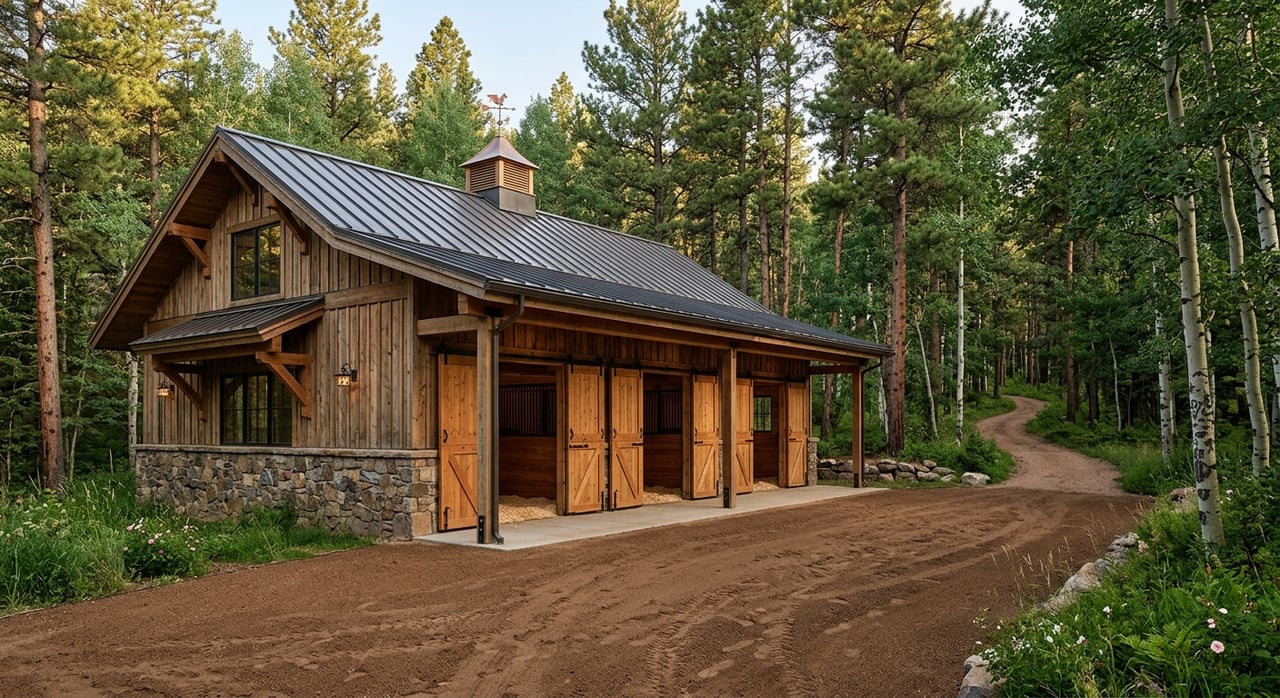
Look for 2–6 stalls on hobby properties, with 12' x 12' preferred where possible. Ventilation, non‑slip flooring, and drainage are key in aisles and stalls. A secure tack room and dry hay/feed storage with safe electrical work are musts.
Turnout and fencing
Multiple paddocks support rotational grazing and reduce overgrazing. Common fencing includes post‑and‑rail, pipe, or field fence with a top rail; electric tape is often used for cross‑fencing. Check fence height, visibility, and gate hardware for safety.
Arenas and trailer access
Outdoor arenas need proper grading, drainage, and the right footing mix. Lights are helpful for evening rides. Confirm driveway width, gate openings, and turning radii for horse trailers, plus reliable load‑in areas near the barn.
Water, septic, and manure
Confirm water sources for the house and barn. Ask for well logs, yield, and water‑quality tests if the property relies on a well. Septic capacity should match expected use. A dedicated manure pad, composting plan, or haul‑off access keeps neighbors happy and protects waterways.
Safety and comfort
Separate hay storage from stalls for fire safety, and check for smoke detectors in tack areas. Winterizing is essential here: insulated tack rooms, frost‑free hydrants, and protected water lines help you avoid mid‑winter headaches. Plan parking for vets, farriers, and delivery vehicles.
Rules, rights, and permits
This is where deals succeed or stall. Verify early to save time and money.
Zoning and animal limits
Confirm the parcel’s zoning with Jefferson County Planning and Zoning. Zoning determines whether you can keep horses, how many animals are allowed, and where you can place barns or arenas. If an HOA is involved, you may see additional rules for fencing, setbacks, manure, or bridle path maintenance.
Water rights and irrigation
In Colorado, water rights are a legal property interest. Determine whether the property has irrigation ditch rights or relies solely on a well. Request the well permit and registration, well logs and yield, and any ditch company assessments or rules if applicable.
Easements and access
Metes and bounds parcels often include recorded easements for access or utilities. Confirm that the driveway and any trail access are legally recorded. Understand shared maintenance obligations.
Environmental and wildfire factors
Parcels near creeks may include riparian buffers or floodplain designations that affect barn placement and manure handling. The foothills carry wildfire risk, so defensible space, materials, and insurability matter when you evaluate structures and premiums.
Daily life and ongoing costs
Owning horse property is rewarding, but the day‑to‑day is real. Plan for both time and budget.
Care and labor
Expect 30–60 minutes per horse per day for feeding, turnout, and stall checks if you manage on site. Some owners hire barn help or a manager to reduce chores, especially during travel.
Feed and hay
Hay prices fluctuate with the season. Adequate, dry storage is essential, especially for winter. Snow events can limit grazing, so plan for higher feed use in colder months.
Vets, farriers, and emergencies
Proximity to equine vets and farriers matters. Evaluate trailer access for large rigs and emergency vehicles. A thoughtful site plan helps service providers work safely and efficiently.
Insurance and maintenance
Standard homeowner policies may not cover equine activities. Many owners carry equine liability or farm and ranch policies. Build a maintenance budget for fencing, footing, manure, utilities, and taxes.
Touring checklist for buyers
Use this short list to compare properties and prioritize inspections.
Before you tour
- Verify zoning for equine use.
- Request legal description and any recent survey, especially for metes and bounds parcels.
- Ask for well logs and water tests, septic permits and service records, building permits for barns and outbuildings, HOA CCRs, and manure management notes.
On‑site priorities
- Barn structure: roof, framing, drainage away from foundations, and safe electrical in tack/feed rooms.
- Stalls and aisles: size, doors and latches, flooring, and ventilation.
- Fencing: type, height, post condition, gate function, and visibility.
- Pasture: grass cover, signs of overgrazing, drainage, and any toxic plants.
- Water: hydrants, automatic waterers, well head condition, and insulated lines.
- Arena: footing quality, compaction, and runoff management.
- Access: driveway slope, gate width, turning space, and trailer parking.
- Neighboring uses: noise, ATV traffic, and any signs of trespass.
Pros to engage
- Home and barn inspector with agricultural experience.
- Equine vet or experienced barn manager to review layout and pasture health.
- Well and water‑quality testing firm.
- Septic inspector.
- Surveyor for boundary confirmation.
- Fence contractor and arena builder for upgrade estimates.
Negotiation pointers
- Price significant fixes into your offer: fence replacement, unpermitted spaces, septic upgrades, or water system improvements.
- Recorded trail access and open‑space adjacency often justify a premium when rights are well documented.
Common mistakes to avoid
- Assuming trail access exists because neighbors ride nearby. Verify recorded rights.
- Overlooking water yield and rights. Pasture and barn operations depend on reliable supply.
- Skipping HOA CCRs. Covenants can set animal limits, fence types, and manure rules.
- Underestimating winterization needs. Frozen lines and poor drainage are costly mid‑season.
- Ignoring easements on metes and bounds parcels. Access clarity protects your long‑term use and value.
Next steps
If Soda Creek and nearby Jefferson County parcels match your vision, the next move is focused due diligence, expert inspections, and a clear plan for water, access, and trails. A local, concierge approach can save you time and protect your investment from the start.
For a private list of on‑ and off‑market equestrian opportunities, tailored tours, and guidance from offer to close, connect with Lark Stewart. You’ll get principal‑level attention and informed, foothills‑specific advice when it matters most.
FAQs
What should I verify first for a Soda Creek horse property?
- Start with zoning for equine use, water source and rights, recorded access easements, and any HOA rules that affect horses, fencing, barns, or trails.
How do wells and water rights impact horse ownership in Jefferson County?
- Water yield and legal rights determine irrigation potential and daily barn operations, so request well logs, yield and quality tests, and clarify any ditch rights before you commit.
Are metes and bounds parcels harder to buy for equestrian uses?
- They can be more complex because boundaries and access often rely on recorded easements, so a recent survey and title review are especially important.
What barn features matter most in the foothills climate?
- Prioritize safe electrical, good ventilation, non‑slip and well‑drained flooring, insulated tack rooms, frost‑free hydrants, and protected water lines for winter.
How can I assess trail access near Soda Creek properties?
- Ask for recorded trail easements or HOA bridle path documents, confirm whether trails are multi‑use, and check for seasonal closures that could affect your riding routine.