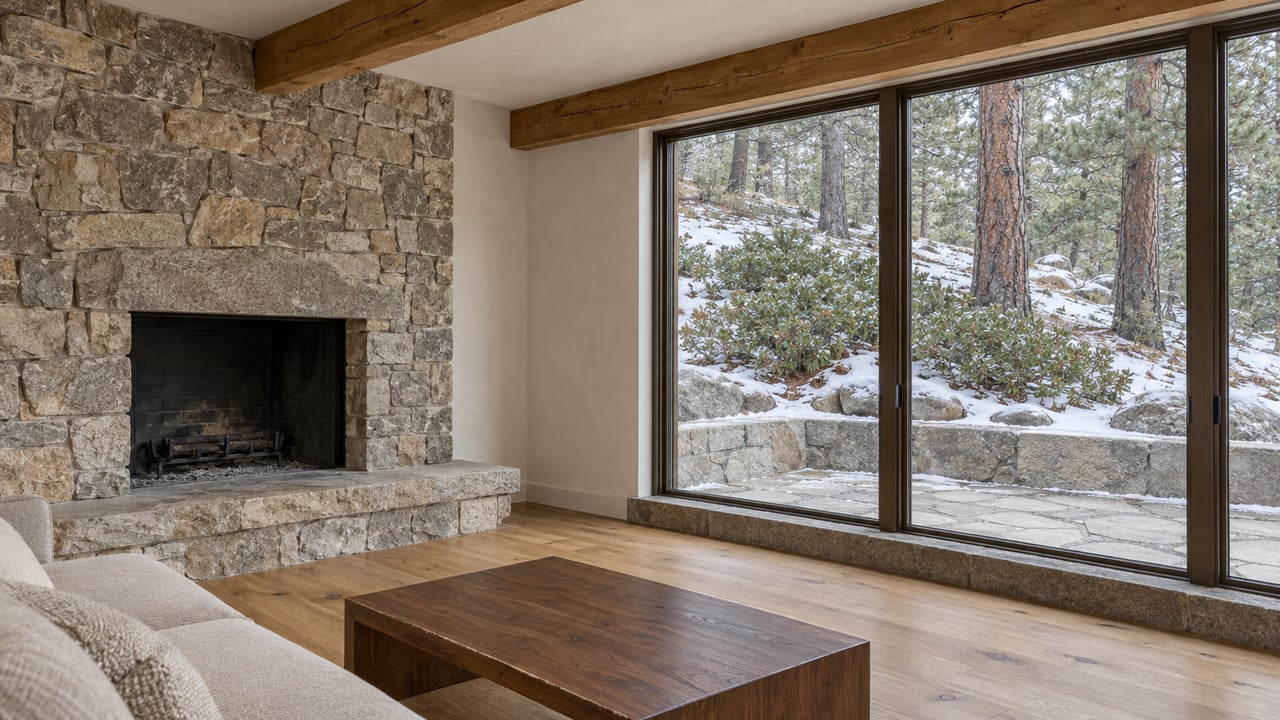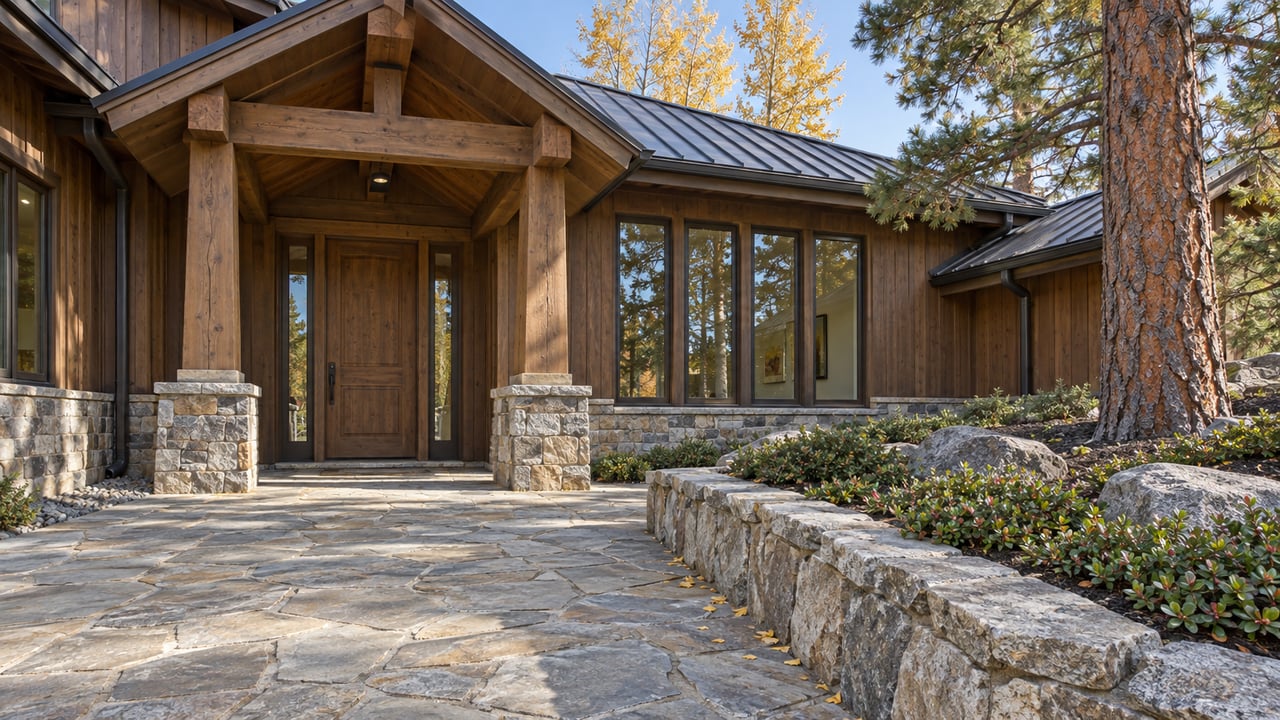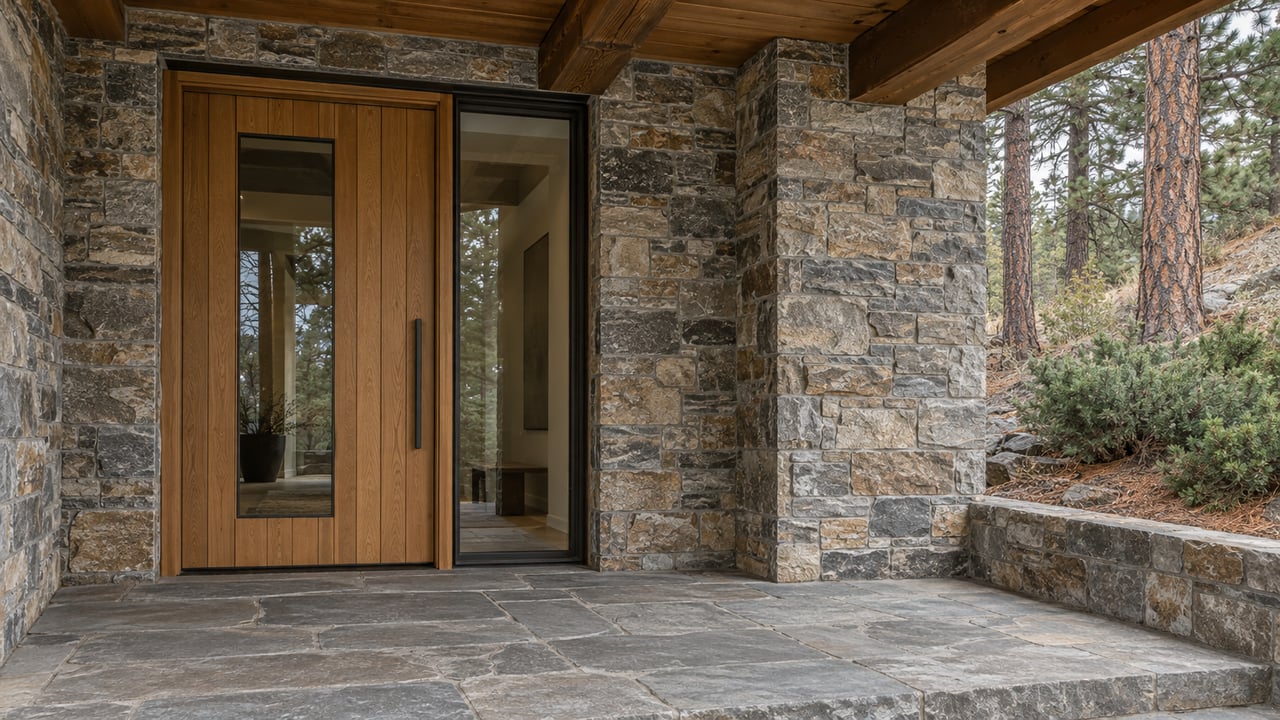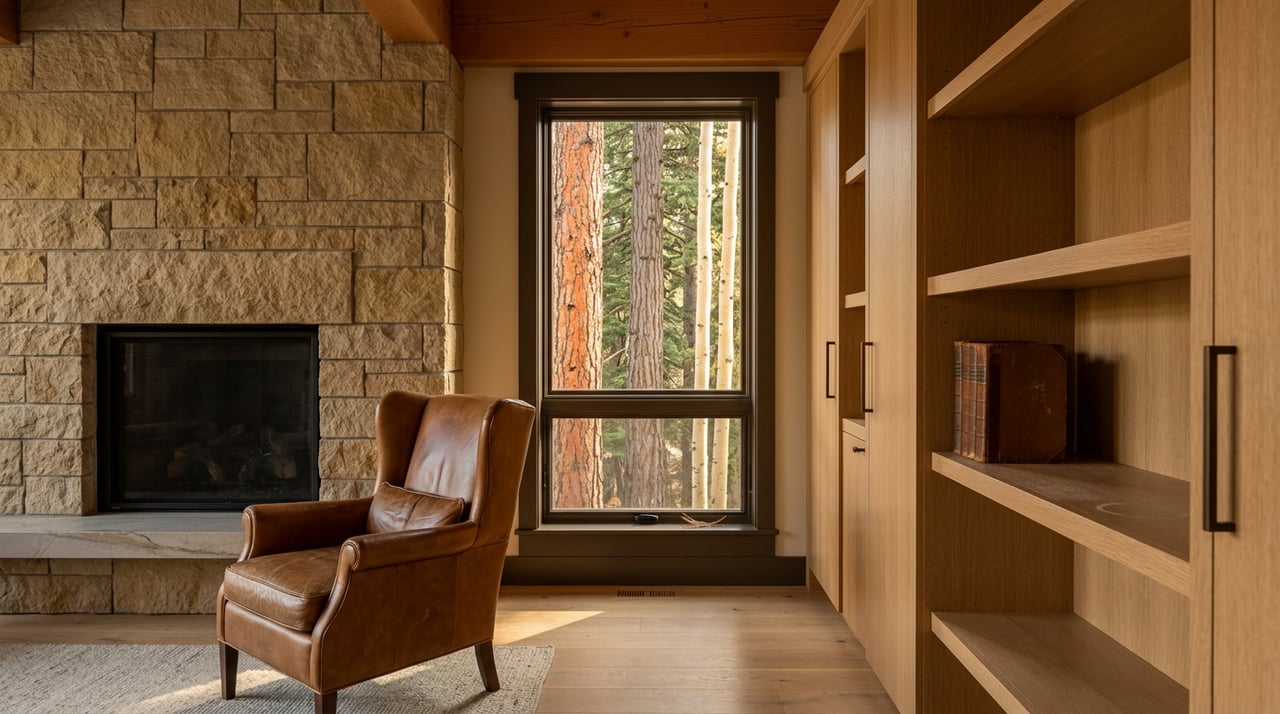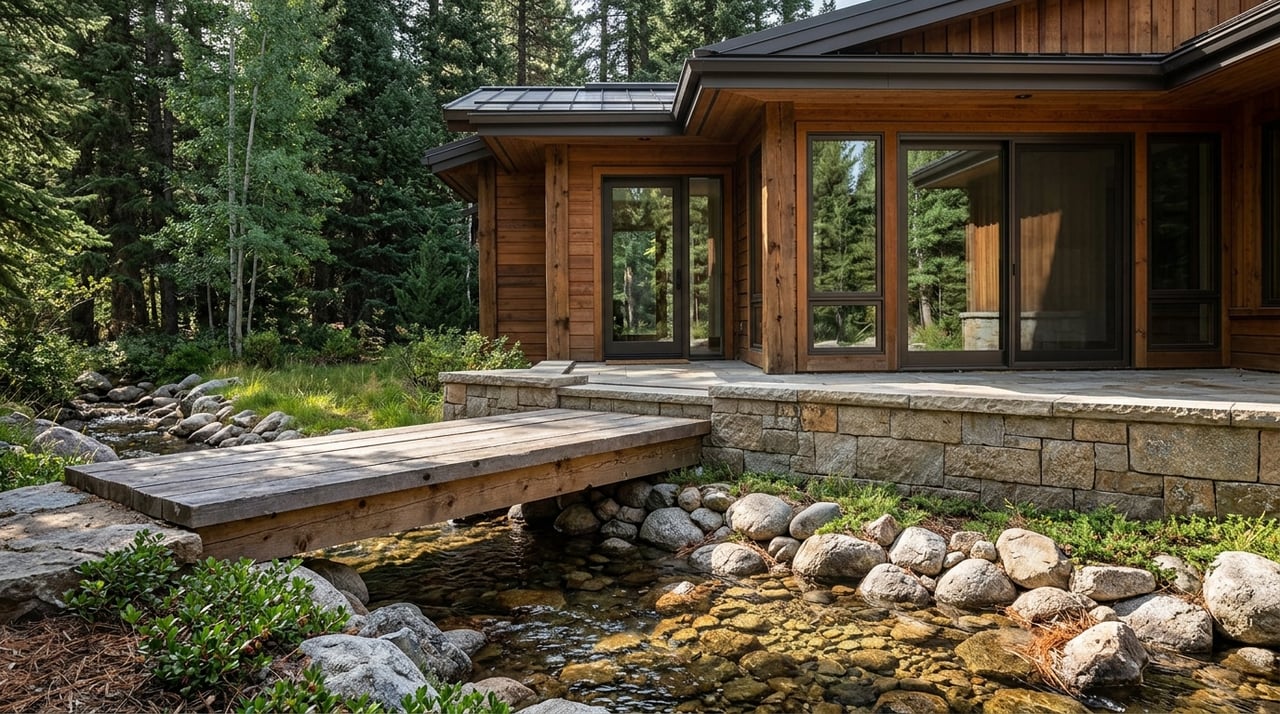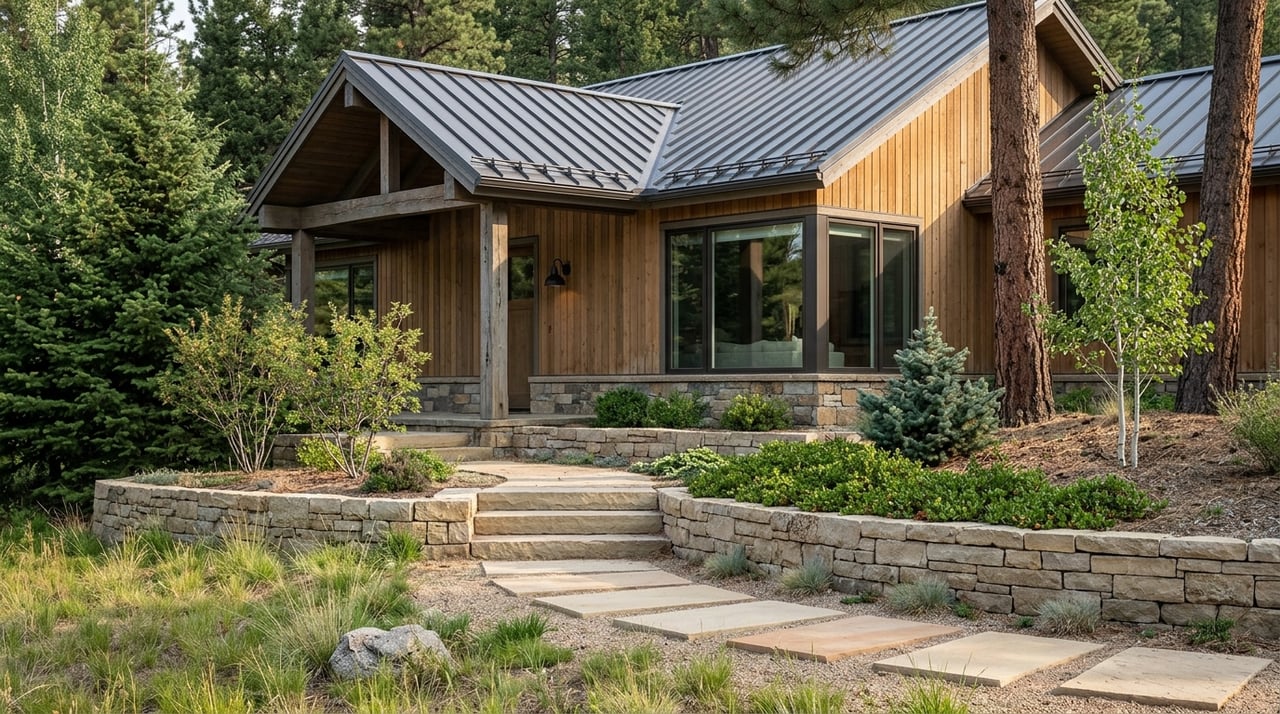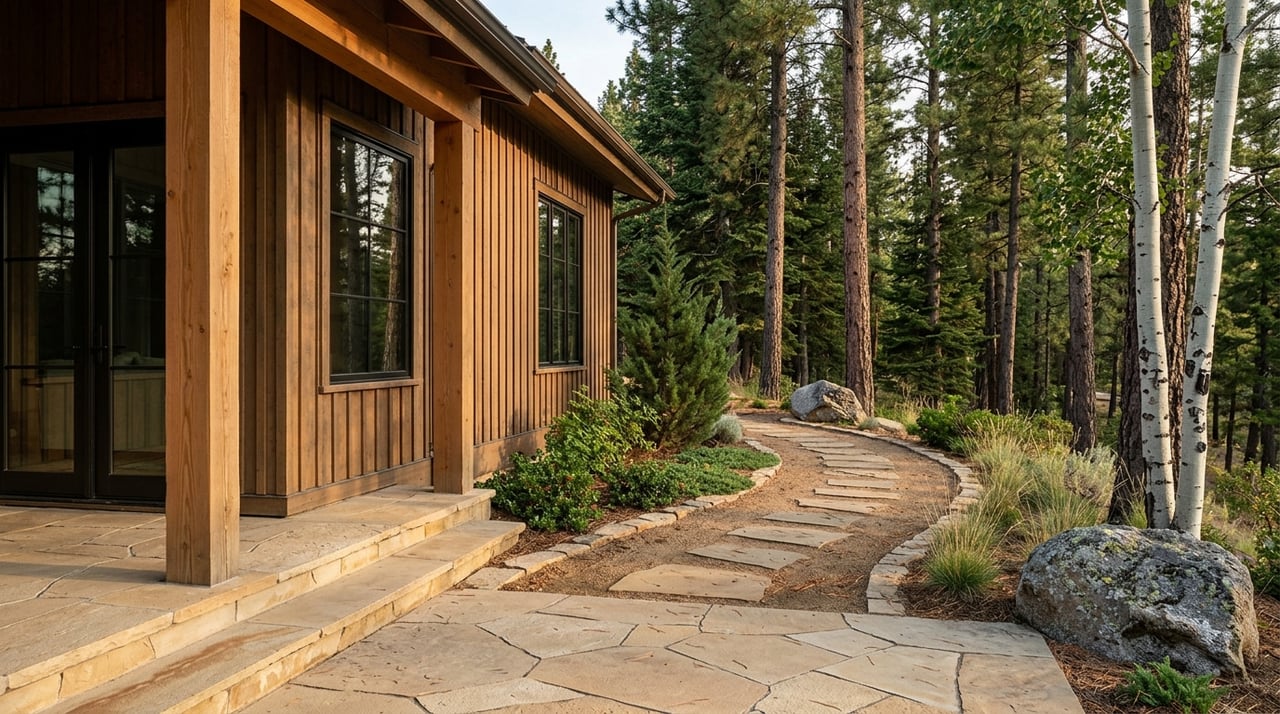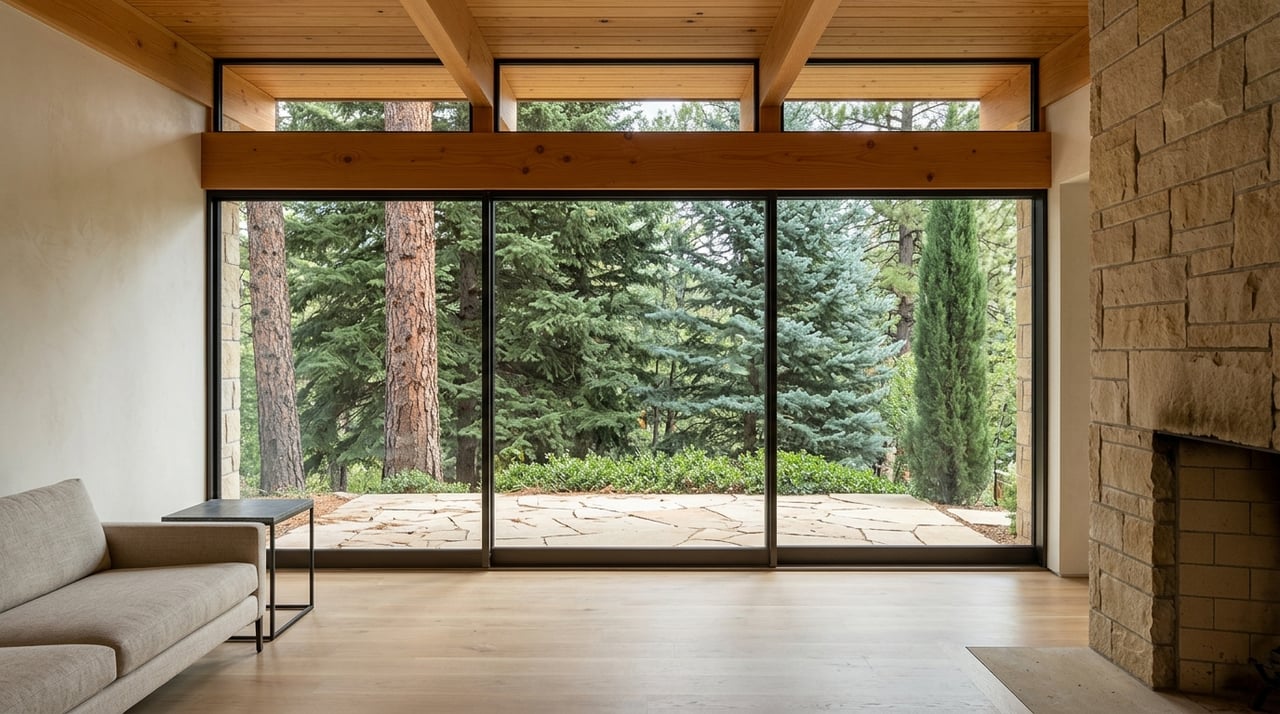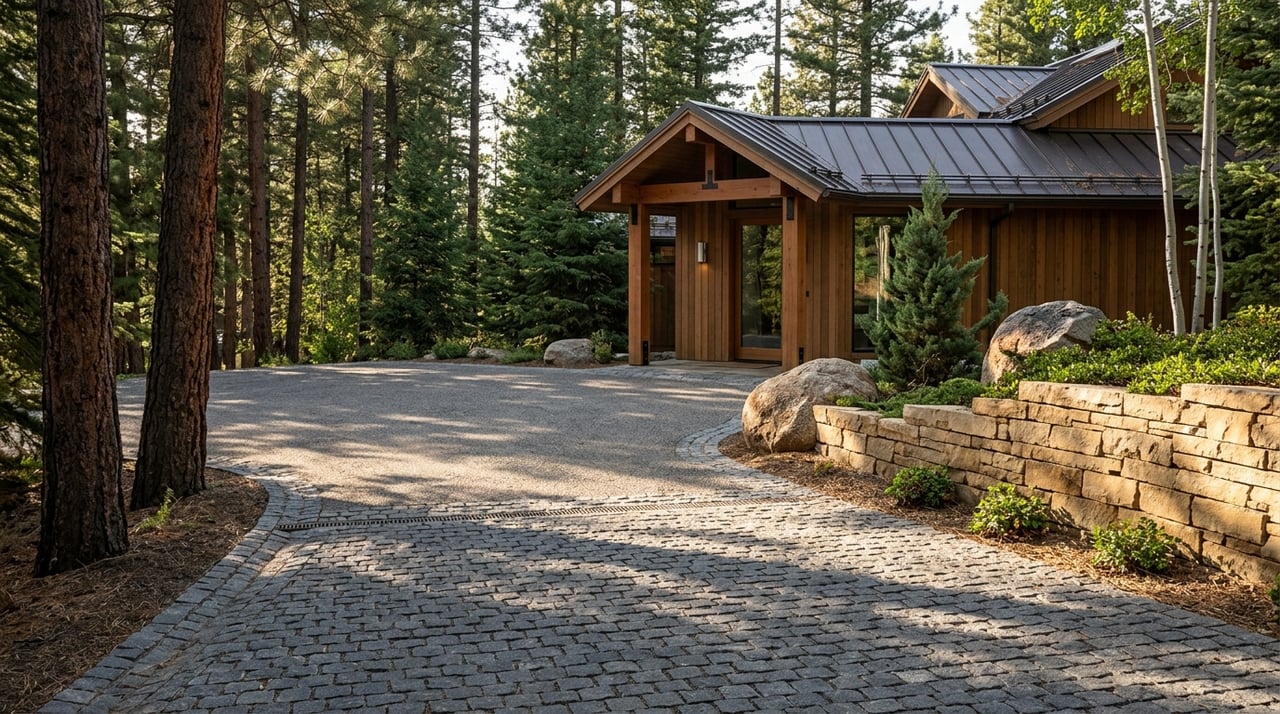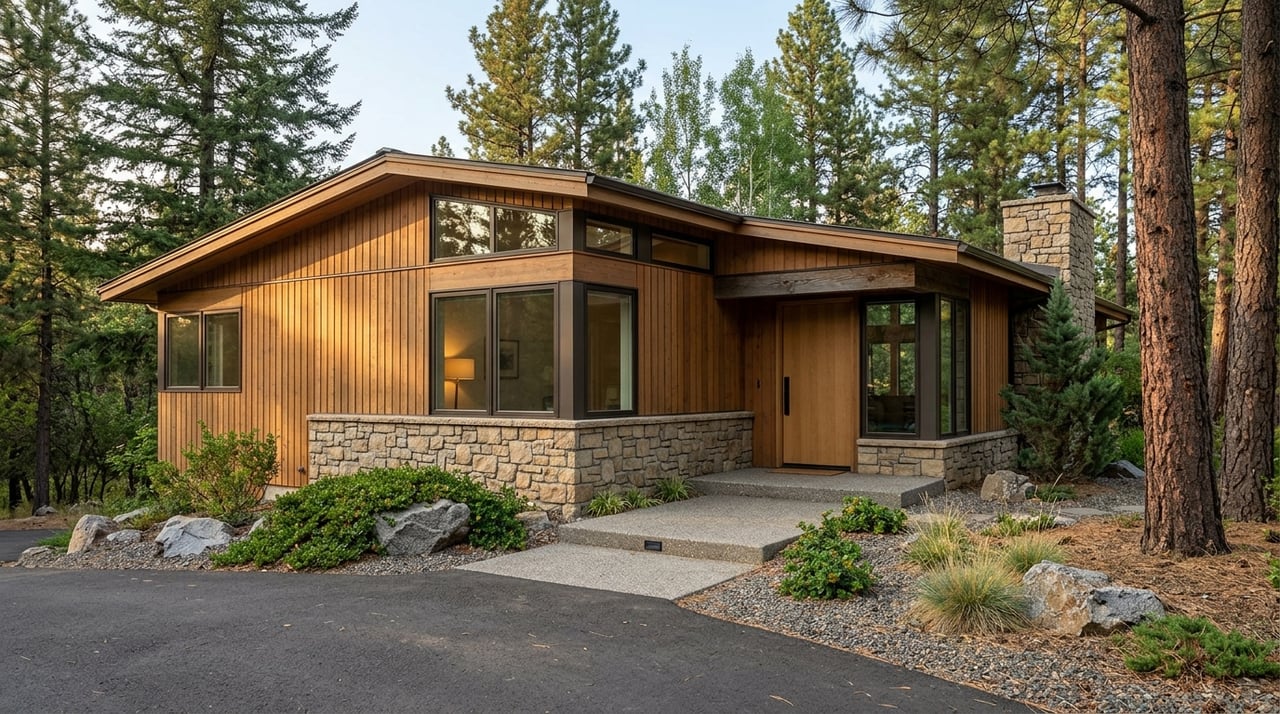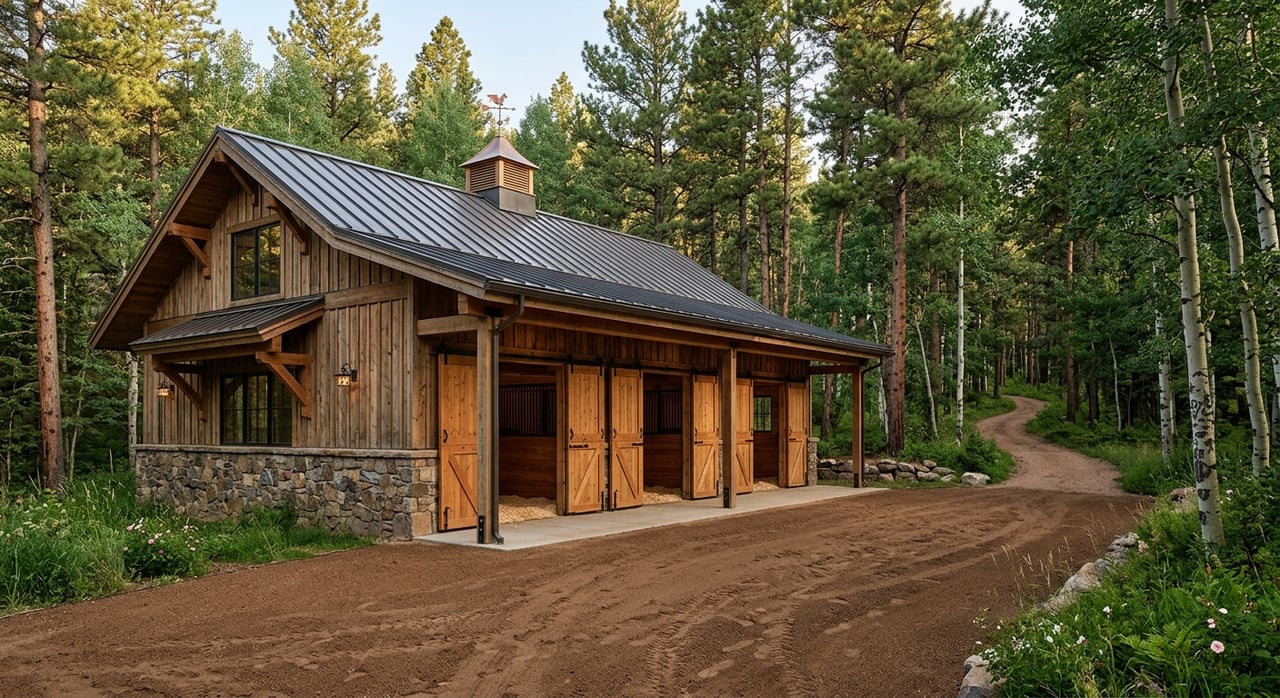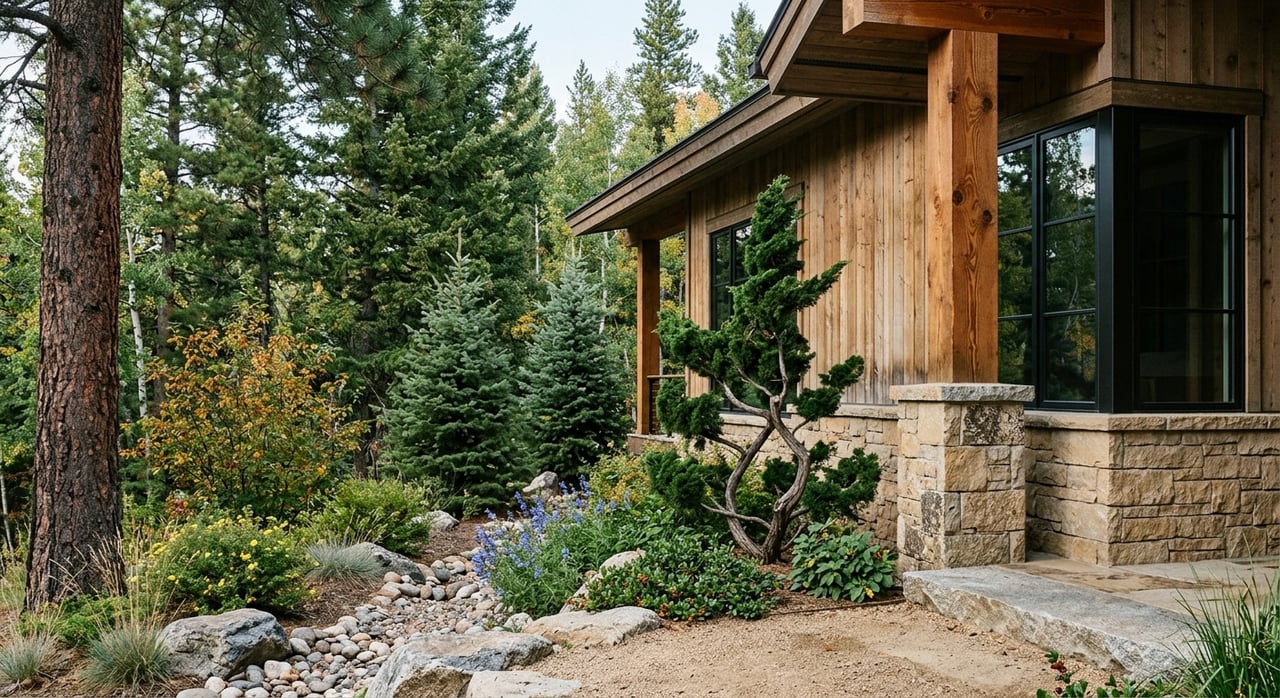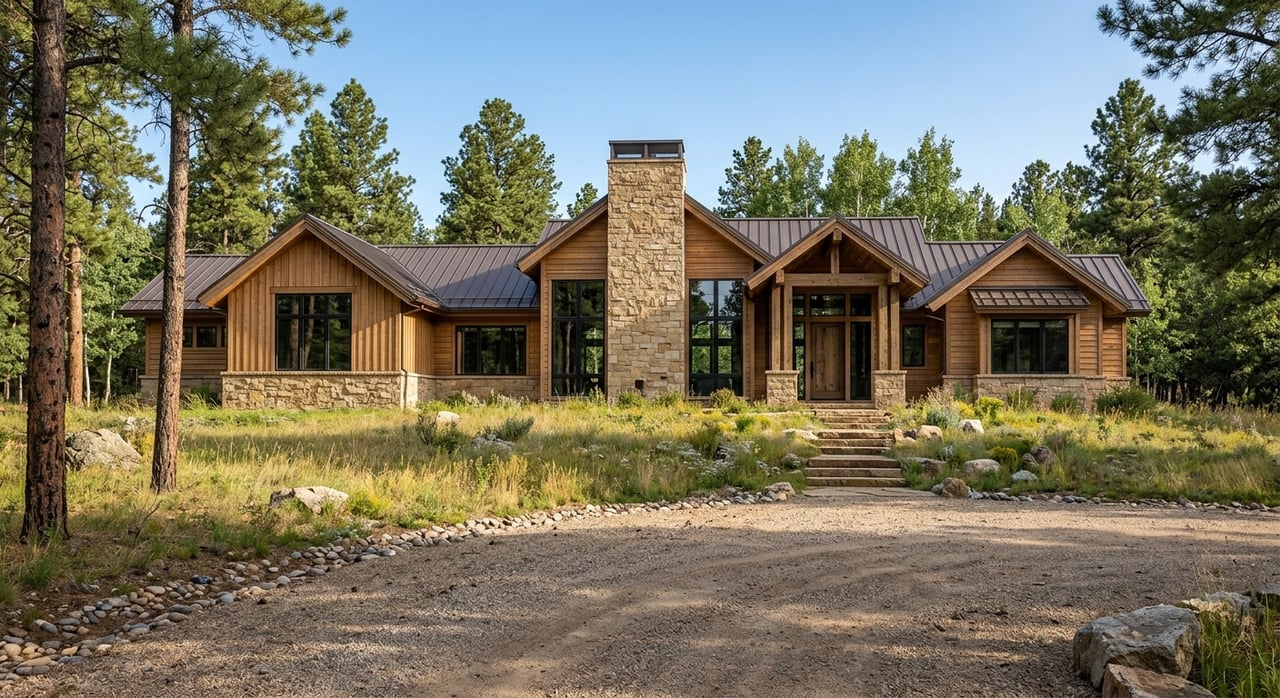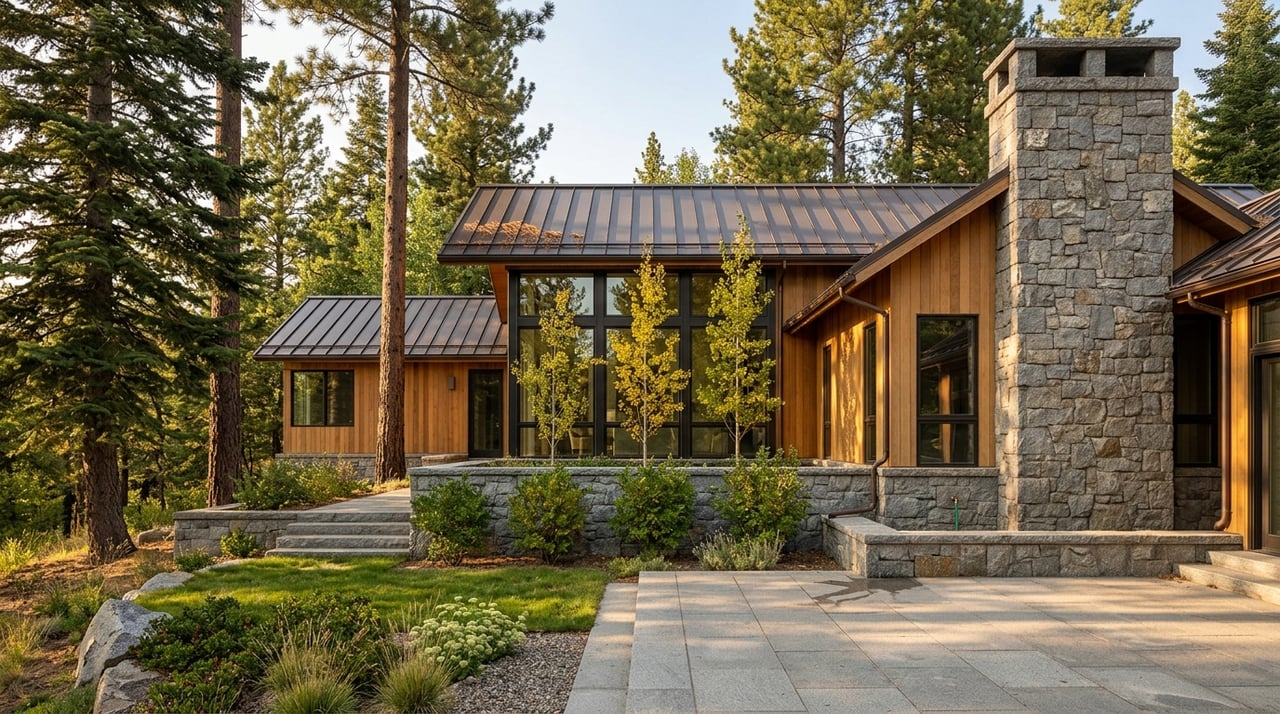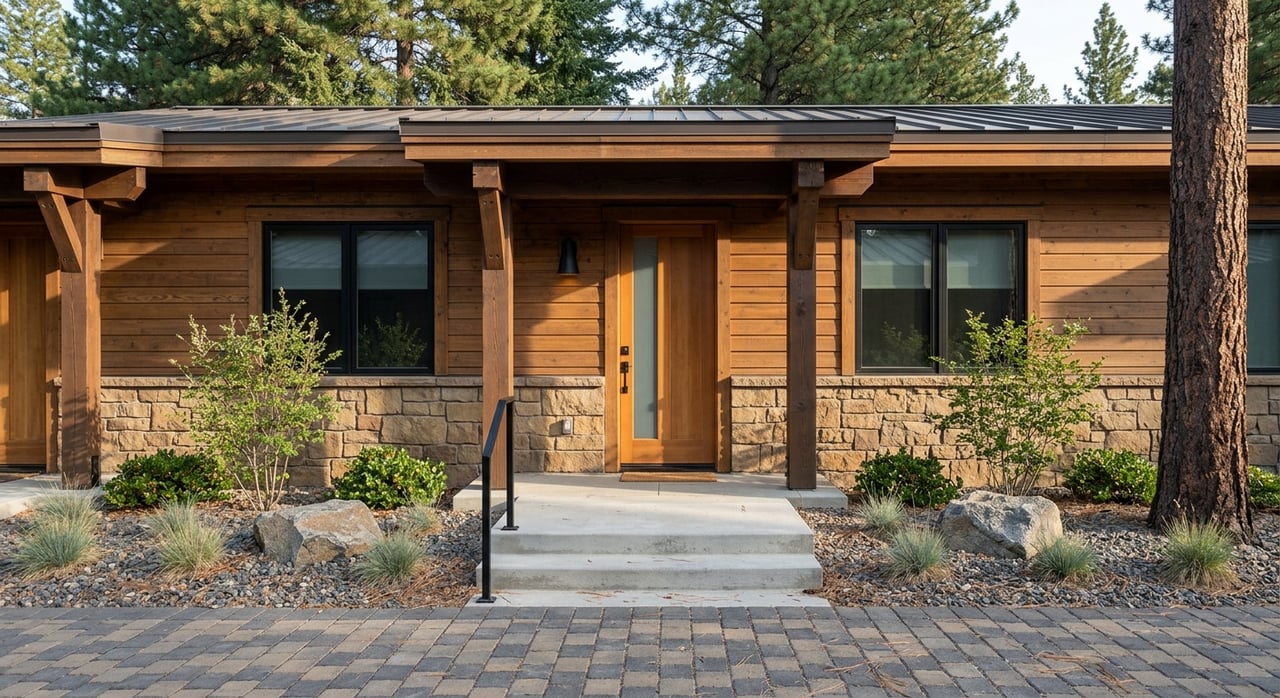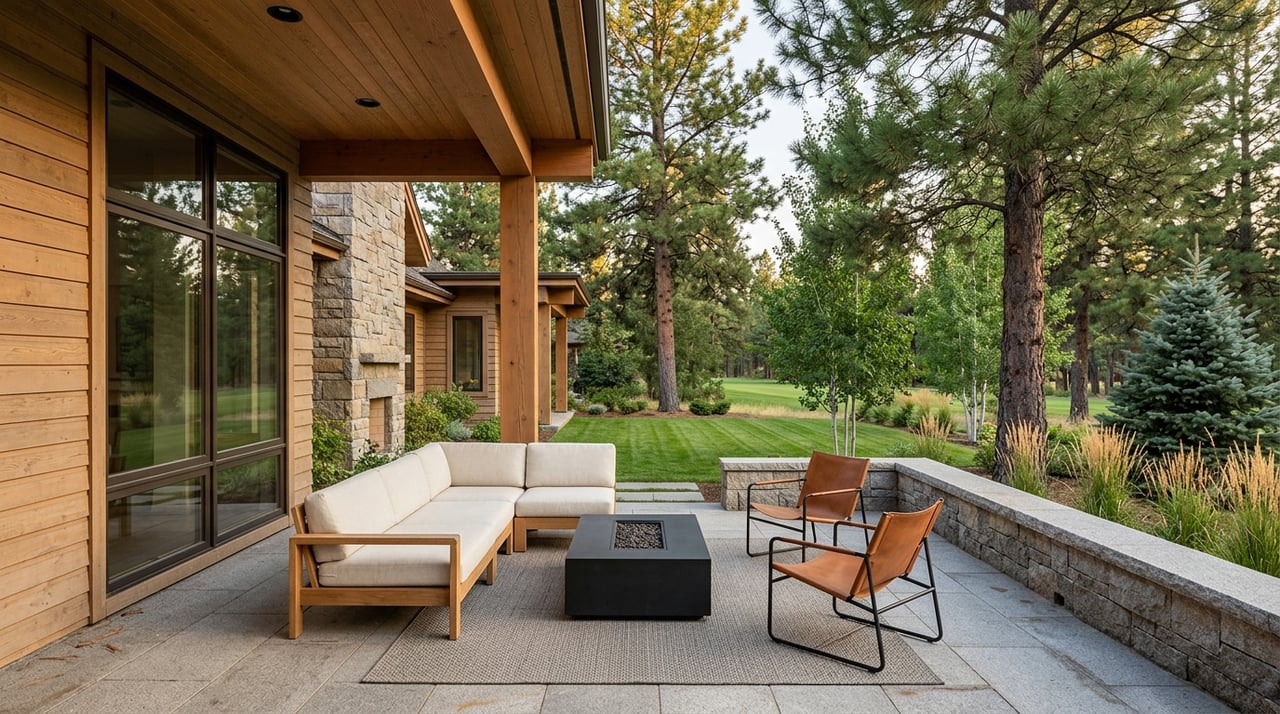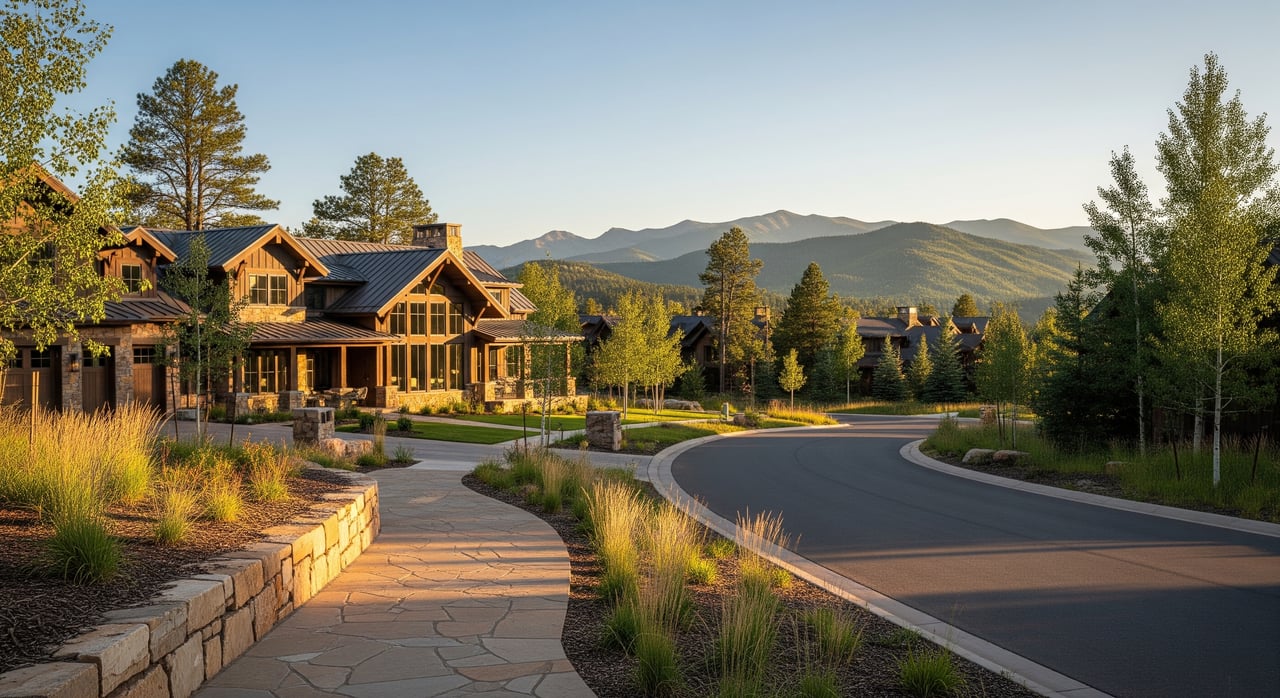
A buyer signs a contract on a home in one of Evergreen's small gated enclaves. The price feels fair. It sits close to what the portals call the town median. Then the appraisal comes back low, not because the house is overpriced, but because the appraiser could not find enough recent sales inside the subdivision to build a confident number and had to go looking elsewhere for comparables.
This is not a rare fluke. It is a structural feature of how Evergreen is actually built. The town's most desirable properties are not concentrated in a handful of large, well-documented neighborhoods with hundreds of annual sales. They are scattered across dozens of small enclaves, some with fewer than ten homes total, where a single closing might be the only transaction the subdivision sees all year. If you are comparing neighborhoods before you buy or sell, understanding why these pockets price differently than the rest of the market matters more than the number you saw on a listing site.
Why the Math Breaks Down Inside a Six-Home Cul-de-Sac
Appraisers build value estimates from comparable sales, ideally three or more similar homes that closed recently and nearby. That system works cleanly in a subdivision with a steady stream of turnover. It works much less cleanly in a gated enclave built for privacy and scarcity, which is exactly what draws buyers to Evergreen's hidden pockets in the first place.
Consider how small some of these communities actually are:
| Enclave | Homes | Lot size | Built |
|---|---|---|---|
| Skyhill Estates | 6 custom homes | 10 to 35 acres | 1997 to 2004 |
| The Reserve at Tanoa | 7 homes | 2 acres | 1997 to 2001 |
| Silver Rock | 10 custom homes | 10 acres each | 2003 to 2012 |
| Singing River Estates | small gated cluster | 10 to 24 acres | 2000 to 2008 |
| The Timbers | 28 custom estates | 2 to 3.5 acres | 1990s to early 2000s |
A subdivision of six or seven homes might go a year or more without a single closing. When a sale finally happens, there is no fresh, same-street comp for the next seller to point to. The appraiser is left choosing between two imperfect options: pull comps from a wider radius that includes homes with different acreage, views, or finish levels, or reach further back in time and adjust the older sale price for market movement since then. Both approaches introduce judgment calls that a buyer or seller in a denser subdivision never has to think about.
What an Appraiser Does When There Is Nothing Nearby to Compare
This is not unique to Evergreen. Appraisers working thin, low-density mountain markets across Colorado routinely expand their search radius or lean on older sales with documented time adjustments when recent, truly comparable transactions do not exist within the immediate area. In a six-home enclave, that is often the only honest way to do the job.
The Colorado Division of Real Estate has described the appraisal gap as the difference between what a buyer agrees to pay and what an appraiser's comparable-sales analysis supports, a gap that widens specifically when comps cannot keep pace with current demand. In a competitive subdivision with dozens of annual sales, that lag is usually a matter of months. In a subdivision with one sale every year or two, the lag can be structural rather than temporary. The comp an appraiser finds might be accurate for eighteen months ago, in a market that has since moved, on a lot with different acreage or a different well yield.
For a buyer, that means budgeting for the possibility of covering a gap in cash, particularly in a seller's market where competitive offers routinely exceed what the last documented sale in the pocket can support. For a seller, it means the listing price should be defensible with the same kind of documentation an appraiser would want to see, not just anchored to what a neighboring, larger subdivision is doing.
The Town-Wide Median Has the Same Problem, Just Bigger
Here is where the pattern becomes visible even to someone who has never set foot in one of these enclaves. Pull Evergreen's headline price from five different sources this summer and you get five different answers. Redfin puts the median sale price over the three months ending June 2026 at $888,000, with price per square foot up 4.7 percent year over year. Zillow's home value index, updated at the end of July 2026, shows the average Evergreen home value at $892,221, down 2.2 percent over the past year. Movoto reports a median list price of $1.04 million for July 2026. Altos Research, tracking the week of August 11, 2026, put the median list price at $1,100,000 with inventory at 215 homes. The Colorado Association of Realtors, tracking the broader Evergreen and Foothills region, described median prices as holding relatively stable near $700,000 in its June 2026 report.
None of these sources is wrong. They are measuring different things, list price against sale price against a modeled value index, over different windows, and in a town where monthly sale counts run in the dozens rather than the hundreds, small differences in methodology produce large swings in the headline number. That is the same thin-market effect playing out at the scale of an entire town instead of a single cul-de-sac. If Evergreen's own median can span roughly $400,000 depending on which source you check within the same few months, a six-home enclave with one sale every year or two is going to show even more noise, and a buyer or seller who anchors to any single portal number is anchoring to something less stable than it looks.
What This Means If You Are Buying or Selling in One of These Pockets
None of this should discourage anyone from pursuing a home in Skyhill Estates, The Reserve at Tanoa, or any of Evergreen's other small enclaves. It should change how you prepare.
If you are selling, build the file an appraiser would want before you ever list. That means well logs and yield tests, septic inspection records, documentation of any road maintenance agreement covering your private drive, and a short, honest list of the sales you believe are genuinely comparable, with notes on why. Appraisers in low-density mountain markets are trained to weigh acreage usability, access, and system condition heavily precisely because there are so few sales to lean on otherwise. Giving them a clean packet up front narrows the room for a low appraisal to catch you by surprise.
If you are buying, go in expecting that the appraisal may lag the offer, especially if you are competing for a property in a pocket that has not traded in a while. Talk with your lender about how an appraisal gap would be handled before you are in a bidding situation, not after. And treat any automated valuation from a national portal as a starting conversation rather than a number to negotiate around, since those tools are built on the same thin comp data that gives appraisers trouble in the first place.
Either way, the value of working with someone who tracks these pockets by name, not just by zip code, becomes clear the moment a transaction hits this friction. Knowing that Silver Rock's ten homes sit on private ten-acre lots with HOA-provided snow removal, or that The Timbers' twenty-eight estates share paved roads and grounds maintenance, is the kind of detail that helps build a defensible number when the standard comp search comes up short.
A Few Direct Questions
Does a low appraisal mean I overpaid? Not necessarily. It often means the appraiser's available comps have not caught up to current demand in a market with very few recent sales. A second opinion or a reconsideration of value request, supported by stronger comps you supply, can sometimes close the gap.
Should I worry about this if I am paying cash? Cash buyers can move past the lender-ordered appraisal entirely, but a private appraisal is still worth commissioning before you finalize a price, particularly for insurance and future resale planning.
Are these small enclaves harder to sell later? Not inherently. They tend to sell to buyers who specifically want privacy and low density, and that demand has been consistent. The friction shows up in financing and pricing precision, not in finding an eventual buyer.
Pricing a home in one of Evergreen's smaller enclaves takes more than a portal estimate. It takes someone who knows which six or seven or ten homes actually belong in the comparison, and who can build the documentation to back it up. Lark Stewart has spent years working these pockets alongside Evergreen's better known neighborhoods, with the LIV Sotheby's International Realty network behind every listing. If you are weighing a purchase or a sale in one of these hidden corners of town, request a confidential home valuation and get a number built on the right comparables, not just the nearest ones.
This article is general information, not legal, tax or financial advice. Consult a qualified professional about your situation.